Complete blood count (CBC) with differential
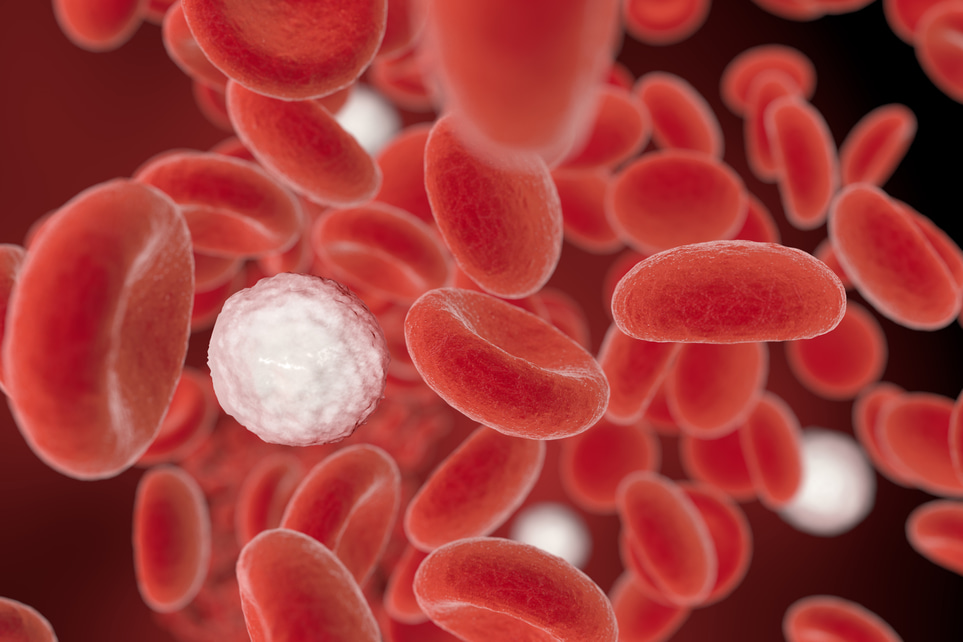
A complete blood count (CBC) is a commonly performed blood test that includes the analysis and measurement of several types of blood cells, including red blood cells, white blood cells and platelets. The test measures hemoglobin, erythrocytes, hematocrit, MCV, MCH, leukocytes and platelets, as well as a white blood cell differential (B-diff).
The test provides an overview of your blood health and is used to measure the amount of oxygen-carrying hemoglobin in the blood, evaluate platelet levels, determine the proportion of blood made up of red blood cells and assess their size and hemoglobin content. By analyzing white blood cells and their different subtypes, the test can also provide valuable information about the immune system and identify abnormalities associated with infections, inflammation and certain blood disorders.
Detecting of anemia and blood disorders
A complete blood count is an essential tool in medical diagnostics and includes several important parameters that provide information about your health based on your blood cell profile. By analyzing hemoglobin, red blood cells and their characteristics, the test can help identify anemia and provide guidance on possible underlying causes.
In addition to measuring hemoglobin (Hb), erythrocytes (red blood cells) and platelets, the test also includes leukocytes (white blood cells) and a more detailed analysis of different immune cell types.
What do the different blood markers show?
- Hemoglobin (Hb): Hemoglobin levels indicate the blood's ability to transport oxygen. Low levels may indicate anemia, while elevated levels can occur in conditions such as chronic lung disease or dehydration.
- Red Blood Cells (RBC): The red blood cell count provides information about the blood's oxygen-carrying capacity. Abnormal values may occur in conditions such as anemia, dehydration or polycythemia (an increased number of red blood cells).
- Hematocrit (HCT): Measures the proportion of blood volume made up of red blood cells. Low values may occur in anemia, while elevated values can be associated with dehydration or increased red blood cell production.
- Mean Corpuscular Volume (MCV): Measures the average size of red blood cells and can help identify different types of anemia, such as iron deficiency anemia or anemia caused by vitamin B12 or folate deficiency.
- Mean Corpuscular Hemoglobin (MCH): Indicates the average amount of hemoglobin in each red blood cell. Low values may occur in iron deficiency and are used alongside other blood markers to evaluate different types of anemia.
- White Blood Cells (WBC): Measures the total number of white blood cells in the blood. Elevated levels may occur during infections, inflammation or certain blood disorders, while low levels can be associated with viral infections, medication effects or reduced bone marrow function.
- Platelets (PLT): Platelets play an important role in blood clotting. Low levels may increase the risk of bleeding, while elevated levels can occur in conditions such as inflammation, iron deficiency or certain blood disorders.
Detailed analysis of white blood cells
In addition to a standard complete blood count, this test includes a white blood cell differential (B-diff), which measures the different types of white blood cells in the blood. White blood cells are an essential part of the immune system and help protect the body against infections and foreign substances.
By examining the different white blood cell types, a differential blood count provides a more detailed picture of immune system activity. The analysis can help identify abnormalities associated with bacterial and viral infections, allergic reactions, inflammatory conditions and certain blood disorders.
Which white blood cells are analyzed in a differential blood count?
- Neutrophils: The most common type of white blood cell and an important part of the body's defense against bacterial infections. Elevated levels may occur during infections, inflammation or physical stress, while low levels may increase susceptibility to certain infections.
- Lymphocytes: Play a central role in the immune system and include T cells, B cells and natural killer (NK) cells. They help the body fight viral infections and develop immunological memory. Elevated levels may occur during certain viral infections, while low levels can be associated with medication effects or specific medical conditions.
- Monocytes: White blood cells that help the body fight infections and remove damaged cells. Elevated levels may occur during chronic infections, inflammatory conditions or recovery from an infection.
- Eosinophils: Are particularly involved in allergic reactions and the body's defense against certain parasitic infections. Elevated levels may occur in conditions such as allergies, asthma, eczema or parasitic infections.
- Basophils: A smaller group of white blood cells involved in inflammatory and allergic immune responses. Elevated levels may occur in certain inflammatory conditions and, less commonly, in blood disorders.
What can a complete blood count with differential reveal?
By combining a complete blood count with a white blood cell differential, you receive a more comprehensive overview of your blood composition and the different cell types involved in immune function. The analysis can help identify abnormalities associated with a variety of health conditions.
The blood test may provide valuable information when investigating:
- Anemia, including anemia caused by iron deficiency or vitamin B12 and folate deficiency.
- Infections that affect the number or distribution of white blood cells.
- Inflammatory conditions and changes in immune system activity.
- Allergic reactions or certain parasitic infections that may affect eosinophil levels.
- Abnormal platelet counts that may affect the blood's clotting ability.
- Certain blood disorders that affect the production or distribution of blood cells.
It is important to understand that abnormal blood values do not automatically indicate disease. Results should be interpreted alongside symptoms, medical history and other examinations. A complete blood count with differential can provide important clues but cannot independently establish the cause of an abnormal result.
Why is it Important to check your blood count?
A complete blood count with differential is a valuable blood test for obtaining an overview of blood cell health and immune system function. By analyzing red and white blood cells as well as platelets, the test can help identify changes that may not always cause noticeable symptoms.
The test can be used when investigating symptoms such as fatigue, recurring infections or suspected anemia, as well as part of a broader health assessment. The combination of multiple blood markers provides a more detailed basis for evaluating your blood cell profile and determining whether further examinations may be necessary.