Quick version
HbA1c measures how much sugar has been bound to the hemoglobin of the red blood cells over the past few months. In thalassemia minor (carrier of thalassemia), the red blood cells often have an altered structure or a shorter lifespan. This means that HbA1c can be falsely low, even though the actual blood sugar is elevated. In addition, some laboratory measurement methods can be interfered with by the hemoglobin variant itself.
In suspected or known thalassemia minor, a "good" HbA1c should not be used as the only measure of glucose control. Instead, complementary or alternative tests are recommended - such as fasting glucose, glucose tolerance test (OGTT), fructosamine or continuous glucose monitoring (CGM).
When an HbA1c value does not match what blood sugar actually looks like, it can create both concern and incorrect decisions. This is especially true for people with thalassemia minor, where a seemingly “good” HbA1c can sometimes be misleading. For those who want to understand their long-term blood sugar, it is therefore important to know that thalassemia minor can give falsely low HbA1c results, and that other methods are sometimes more reliable.
What does it mean that thalassemia minor can give falsely low HbA1c results?
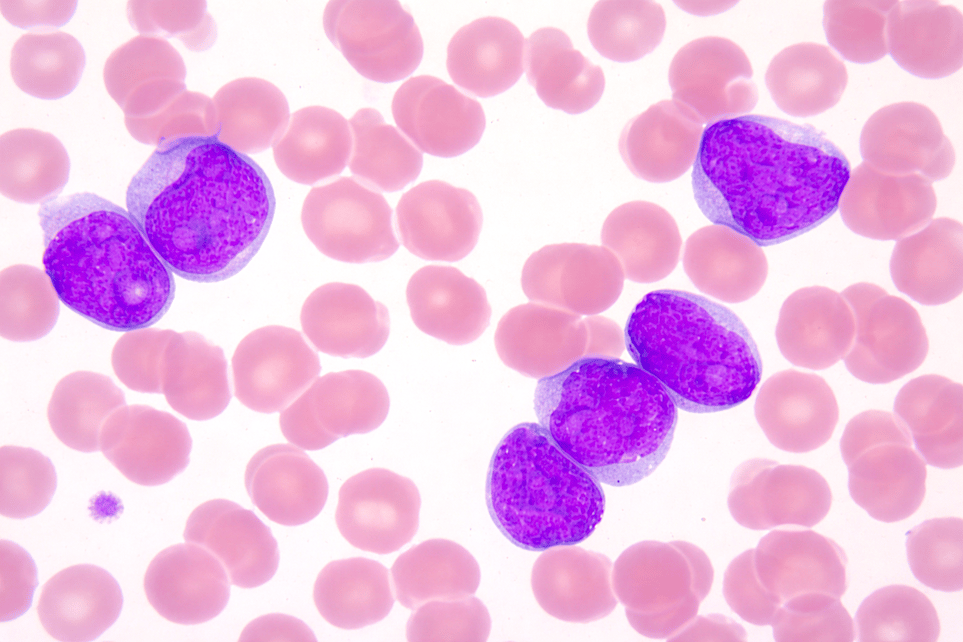
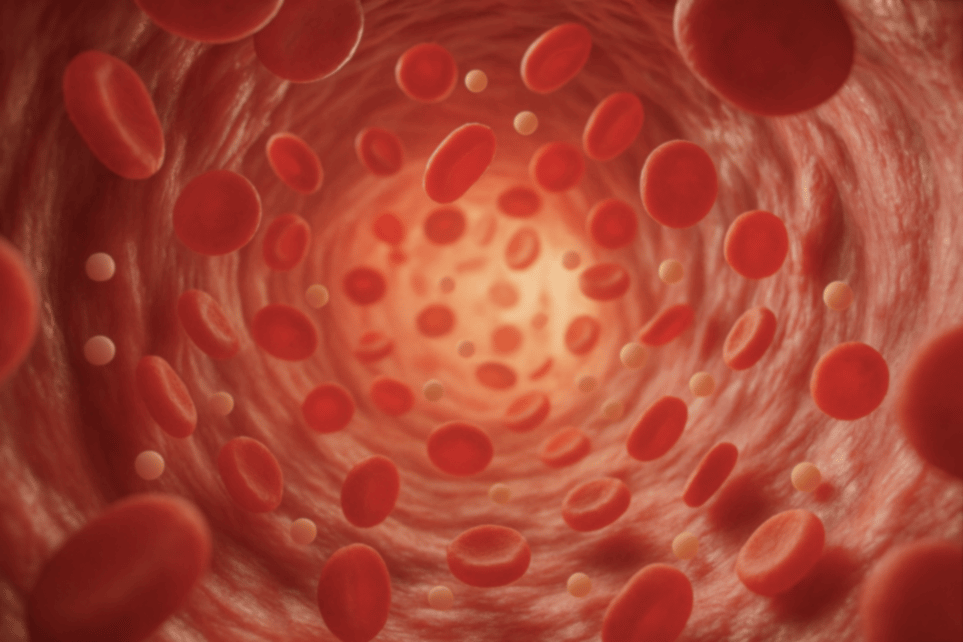
HbA1c is a blood test that estimates average blood sugar over approximately the last 2–3 months. The test is based on glucose binding to hemoglobin in red blood cells. The longer the blood cells circulate in the body and the higher the blood sugar, the higher the normal HbA1c will be. If, on the other hand, the red blood cells live for a shorter time than usual, less glucose has time to bind to the hemoglobin, and the result can be falsely low even though the blood sugar is actually higher.
In the case of thalassemia minor – often called carriers of alpha or beta thalassemia – this can be a problem. Thalassemia is an inherited change in hemoglobin formation. In many people, it causes no or mild symptoms, but the condition can affect the size, turnover and sometimes lifespan of the red blood cells. This means that HbA1c does not always reflect real long-term blood sugar in a reliable way. In addition, some analysis methods can be affected by hemoglobin variants themselves, which can further distort the result.
For the individual patient, this means something very concrete: a “normal” or low HbA1c does not necessarily rule out elevated blood sugar if you have thalassemia minor. Therefore, the test result always needs to be interpreted in its context.
Why is HbA1c misleading in thalassemia minor?
There are two main mechanisms behind the problem.
The first is shortened erythrocyte lifespan. Erythrocytes are red blood cells. If the body breaks them down faster than normal, or if more young blood cells circulate in the blood, the hemoglobin does not have time to glycate to the same extent. Then HbA1c will be lower than expected in relation to the actual glucose level. This is a well-known principle in several conditions with increased red blood cell turnover, and it also applies to hemoglobinopathies and certain forms of thalassemia.
The second mechanism is analytical interference, i.e. the laboratory method itself is affected by a hemoglobin variant. Not all HbA1c methods work the same. Some methods are more sensitive to hemoglobin variants, elevated HbF or other abnormalities, while others are more robust. Interference is method-dependent and the laboratory must therefore be aware of which analysis platform is used when interpreting the results in patients with suspected or known hemoglobinopathy.
It is also important to nuance the picture. Not all people with thalassemia minor necessarily get a clearly incorrect HbA1c with every sample. The degree of influence varies depending on the type of thalassemia, any anemia, level of HbF, analysis method and the individual's blood picture in general. But the uncertainty is large enough that HbA1c should not be used uncritically as the only measure of long-term blood sugar in this group.
Frequently asked questions - can you trust HbA1c if you have thalassemia minor?
The answer is that you can't always. If you have thalassemia minor and at the same time have symptoms, high glucose values at home, abnormal fasting glucose or risk factors for diabetes, a normal HbA1c can be falsely reassuring.
Examples of situations where you should be extra careful are:
- if fasting glucose is elevated but HbA1c appears unexpectedly low
- if continuous glucose monitoring or home blood sugar measurements show higher levels than HbA1c suggests
- if you have microcytic anemia, low MCV or are a known thalassemia carrier
- if the laboratory reports a suspected hemoglobin variant or unusual HbA1c chromatography
HbA1c can in some cases be used to monitor diabetes treatment, but this requires great caution. If the analysis method is not significantly affected by a specific hemoglobin variant, the test can provide some guidance. If a shortened lifespan of the red blood cells is suspected or if there is a clear difference between HbA1c and actual glucose values, alternative markers or complementary tests should be used instead. Several guidelines and expert sources therefore recommend other methods when hemoglobin variants or disturbed blood cell turnover make HbA1c difficult to interpret.
Which tests are better alternatives when HbA1c is not reliable?
When HbA1c is uncertain, there are several other ways to assess glucose control.
Fasting glucose is often a good first step. It measures blood sugar at the time of sampling after fasting and is not affected by hemoglobin variants in the same way as HbA1c. For diagnostics, an oral glucose tolerance test (OGTT) can also be used, which sees how the body handles a defined amount of glucose over time. This is particularly valuable if HbA1c and the clinical picture do not match.
Fructosamine or glycated albumin can also be useful when following up on glucose control. These tests reflect average blood sugar over a shorter period, approximately 2–3 weeks, because they measure glycation of plasma proteins instead of hemoglobin. Therefore, they are not affected by the same problems with the lifespan of red blood cells. At the same time, they have their own limitations, for example in the case of low albumin or certain liver and kidney diseases, so they should also be interpreted in the right context.
A third option is continuous glucose monitoring (CGM) or repeated blood sugar measurements at home. This gives a more direct picture of how glucose levels actually vary over the course of the day. If these values show recurring high levels despite a low HbA1c, this strongly suggests that HbA1c is misleading.
In practice, a sensible investigation in the event of suspected unreliable HbA1c may include:
- blood count with MCV and hemoglobin
- iron status to distinguish from iron deficiency
- fasting glucose
- possibly OGTT
- fructosamine or glycated albumin
- if necessary, hemoglobin analysis, for example electrophoresis or HPLC depending on the question
When should one suspect thalassemia minor and seek further investigation?
Thalassemia minor is often discovered by chance in connection with blood tests. Many people feel completely fine. Small red blood cells, so-called microcytosis, are often seen, sometimes together with slightly lowered hemoglobin or normal Hb despite low MCV. It can easily be mistaken for iron deficiency, but in thalassemia carriers, iron stores are often normal.
You should consider further investigation if:
- you have known thalassemia carriers in your family
- you have a long-term low MCV without obvious iron deficiency
- your HbA1c does not match your glucose values or symptoms
- you have been informed of a possible hemoglobin variant in connection with laboratory analysis
Common symptoms of diabetes or elevated blood sugar – such as increased thirst, large amounts of urine, fatigue, blurred vision or recurrent infections – should always be taken seriously, even if the HbA1c happens to be normal. In a person with thalassemia minor, this may be exactly the situation where further testing is needed.