Order an Rtc(B)-MCH blood test
Order an Rtc(B)-MCH blood test to gain insight into the hemoglobin content of your newly formed red blood cells—reticulocytes. The test provides a current snapshot of the iron available for the body's blood cell production and can be relevant in cases of suspected iron deficiency or anemia, or when monitoring iron treatment.
Rtc(B)-MCH may also be referred to as RET-He, reticulocyte hemoglobin, or hemoglobin in reticulocytes.
What does Rtc(B)-MCH indicate?
To produce normal red blood cells, the body requires sufficient iron for hemoglobin synthesis. If the iron supply to the bone marrow is inadequate, newly formed red blood cells may contain less hemoglobin.
Consequently, a low Rtc(B)-MCH value may indicate limited iron availability for blood cell production. The test provides valuable information regarding both absolute iron deficiency and functional iron deficiency—a condition where iron stores exist in the body but are not sufficiently available for blood cell formation.
Who might benefit from an Rtc(B)-MCH test?
This blood test is useful if you wish to gain a more detailed understanding of your body's iron status and blood cell production, particularly if other blood tests have shown abnormal results or if iron deficiency or anemia is suspected. Rtc(B)-MCH testing may be relevant in cases such as:
- suspected iron deficiency.
- investigation of iron-deficiency anemia.
- investigation of anemia due to other causes.
What does a low Rtc(B)-MCH indicate?
A low Rtc(B)-MCH indicates that newly formed red blood cells contain less hemoglobin than expected. This may be a sign that there is insufficient iron available for normal hemoglobin production. Low values are a sensitive indicator of iron deficiency. Rtc(B)-MCH has also been studied specifically in dialysis patients, where the analysis can be used to assess functional iron deficiency.
What does a normal Rtc(B)-MCH indicate?
A value within the laboratory's reference range generally indicates that newly formed red blood cells have had adequate access to iron for hemoglobin production.
However, a normal result does not rule out all forms of iron deficiency or other causes of anemia. The result should therefore be evaluated in conjunction with other relevant blood tests.
What is the difference between Rtc(B)-MCH and MCH?
MCH indicates the average amount of hemoglobin in mature red blood cells. Rtc(B)-MCH, on the other hand, measures the hemoglobin content in newly formed reticulocytes. Since reticulocytes have recently been formed, Rtc(B)-MCH can provide more up-to-date information regarding iron availability to the bone marrow and ongoing blood cell formation.
Consider supplementing with other tests
Rtc(B)-MCH can usefully be evaluated alongside other analyses of blood formation (complete blood count) and iron status, such as hemoglobin (Hb), ferritin, transferrin saturation, MCV, MCH, and reticulocytes. Combining multiple markers provides a more comprehensive picture of the body's iron status and blood formation.
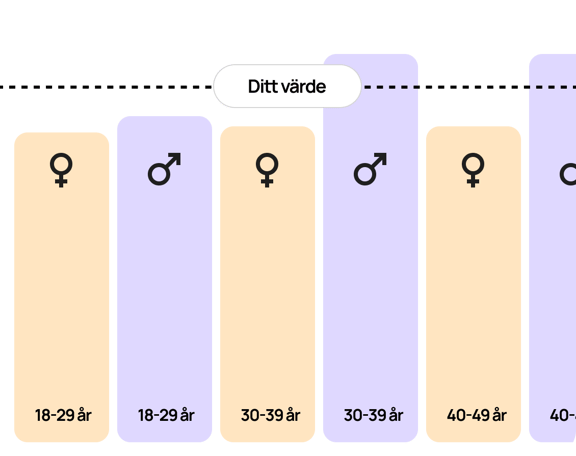
Reference range for Rtc(B)-MCH
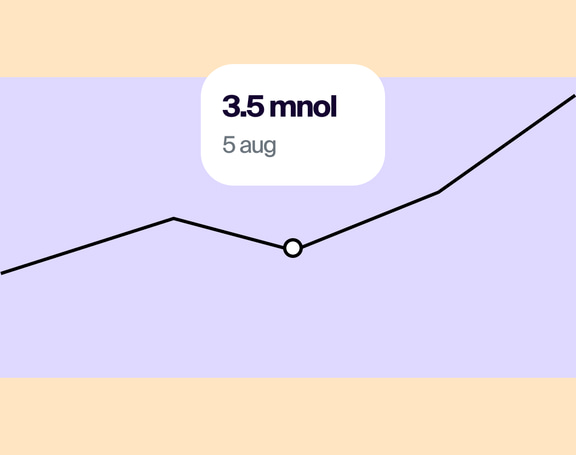
Rtc(B)-MCH is expressed in picograms (pg). Reference ranges may vary between laboratories and analytical methods. Test results should therefore always be evaluated based on the reference range provided by the laboratory that performed the analysis.