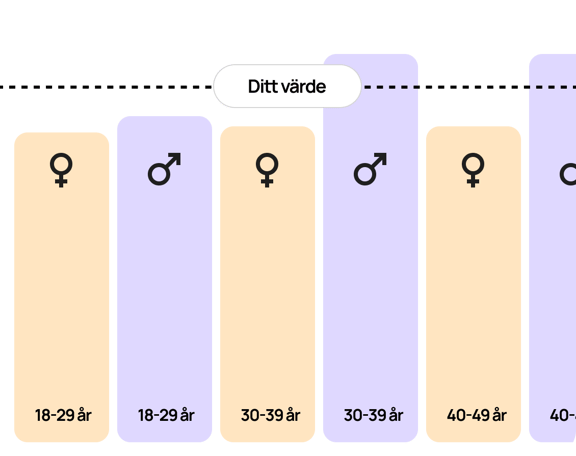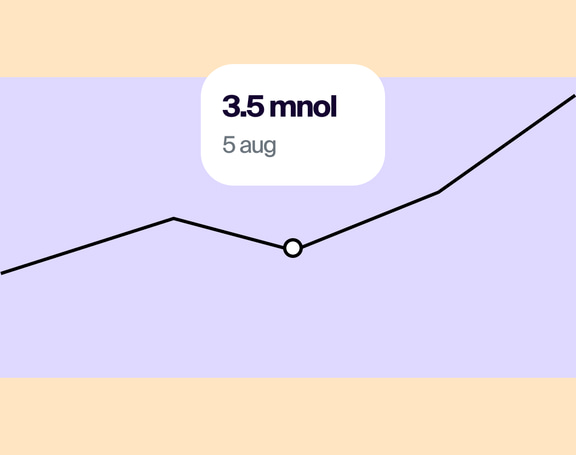




Vitamin D is an essential nutrient that plays a number of important roles in the body. It is needed for the proper growth and development of bones and teeth, and it helps the body absorb calcium, which is necessary for healthy bones. Vitamin D is also important for the immune system and can help reduce the risk of certain diseases such as osteoporosis, cancer and multiple sclerosis. It can also help regulate blood pressure and improve muscle function.
The vitamin D test detects possible vitamin D deficiency or whether you have normal or elevated vitamin D levels. It gives you insight into your values and whether any symptoms you are experiencing may be due to vitamin D deficiency. By testing yourself, you will get a good insight into your values and whether you need to make any changes to your lifestyle to increase or decrease your vitamin D levels.
Why should I have a vitamin D test?
Vitamin D is primarily known for contributing to the maintenance of strong bones and teeth by helping the body absorb calcium. Here are some more reasons why it may be a good idea to test your vitamin D level:
- Bone and muscle health: Adequate levels of vitamin D are important for maintaining bone health and preventing osteoporosis. Vitamin D helps the body regulate calcium levels, which is crucial for bone strength and muscle function.
- Immune system: Vitamin D plays a role in immune system function. It can help regulate the immune system and reduce the risk of infections.
- Hormonal balance: Vitamin D plays a role in regulating hormones in the body. It can affect hormones like insulin, which are important for regulating blood sugar levels.
- Mental well-being: Low levels of vitamin D may be linked to an increased risk of depression and other mental health problems. However, research is still ongoing to understand the connection more fully.
- Skin health: Vitamin D can help reduce inflammation in the skin and help prevent possible skin disease.
- Prevention of deficiency diseases: Insufficient levels of vitamin D can lead to deficiency diseases such as rickets (in children) or osteomalacia (in adults), which can affect bone health and other functions in the body.
- Fatigue and low energy: One of the most common symptoms of vitamin D deficiency is fatigue and low energy. Deficiency can cause a feeling of lack of energy and reduced physical and mental performance. Many people also experience mood effects as a result of long-term vitamin D deficiency.
Vitamin D deficiency is a common deficiency during the winter months
Vitamin D deficiency is particularly common in countries with a longer winter season and limited sun exposure, such as Sweden. The body produces vitamin D when the skin is exposed to sunlight, but during the winter months the sun's UVB rays are too weak to enable this synthesis. This often leads to low levels of vitamin D, especially in people who do not get enough from their diet or do not use a supplement. Vitamin D deficiency can cause symptoms such as fatigue, muscle weakness, aches and pains and, in more serious cases, affect bone health by increasing the risk of osteoporosis and fractures.
Vitamin D Reference Range
Normal levels of vitamin D (25-hydroxyvitamin D, S-25(OH)D) may vary slightly depending on the laboratory that analyzes the sample, but the following ranges are generally used.
- Optimal level: 90–150 nmol/L
- Insufficient level: 50–70 nmol/L
- Deficiency: below 50 nmol/L
- Risk of toxicity: above 250 nmol/L
It is also important to note that laboratories sometimes adjust their reference ranges according to the season, as it is normal for vitamin D levels to drop during the winter months and be higher during the summer.
Related Biomarkers and Analyses
To get a more comprehensive picture of vitamin D status and its impact on the body, it may be valuable to analyse related biomarkers.
- Calciumand phosphate: To evaluate how vitamin D affects mineral balance in the body.
- Parathyroid hormone (PTH): In vitamin D deficiency, PTH may increase as a compensatory mechanism to maintain calcium levels in the blood.
- Alkaline phosphatase (ALP): May be elevated in vitamin D deficiency, especially in children with rickets or adults with osteomalacia.
These complementary analyses can help identify and evaluate the effects of vitamin D deficiency and ensure that treatment is optimal.
Who is at increased risk of vitamin D deficiency?
The risk of vitamin D deficiency is higher in people who have limited sun exposure or have difficulty getting enough vitamin D through their diet. This is especially true during the winter months, when the skin in Sweden produces very little vitamin D from sunlight.
People who may be at increased risk of low vitamin D levels include:
- people who spend little time outdoors
- people who cover large areas of their skin with clothing
- people with darker skin, as more sunlight is required to form vitamin D
- older people, as the skin's ability to form vitamin D decreases with age
- people who rarely eat fish or vitamin D-fortified foods
- people with diseases that impair the absorption of nutrients in the intestine
- people who have undergone gastric bypass or other surgery in the gastrointestinal tract
- people with liver or kidney disease
The Swedish Food Agency highlights, among others, older people who spend little time outdoors and people who do not eat fish or fortified foods as groups where intake or levels may be insufficient.
What does a vitamin D test measure?
To assess the body's vitamin D status, 25-hydroxy-vitamin D, also called 25-OH vitamin D, is usually analyzed. It is the form that best reflects the body's total access to vitamin D from sunlight, diet and any dietary supplements.
Analysis of the active form 1,25-dihydroxy-vitamin D is not normally used to assess common vitamin D deficiency, since the value can be normal or even elevated even though the body's vitamin D stores are low.