Quick version
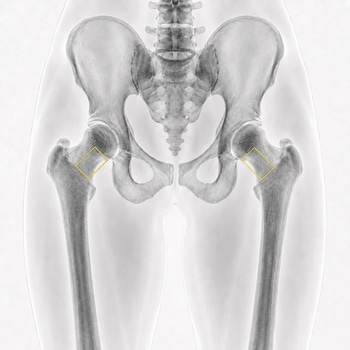
DEXA is a quick and painless X-ray examination that measures bone density, usually in the hip and lower back. The examination is used to detect osteopenia and osteoporosis and to assess the risk of fractures. The result is often given as a T-score and is assessed together with factors such as age, previous fractures and risk of falls. In the case of low bone density, treatment and lifestyle changes can reduce the risk of future fractures.
A bone density measurement, often called DEXA or DXA, is an X-ray-based examination that measures how much mineral is in the skeleton. The method is primarily used to detect osteoporosis, which is the name for brittle bones, and to assess the risk of future fractures. DXA of the hip and lumbar spine is considered the most reliable standard method for diagnosing osteoporosis and estimating fracture risk in adults.
The advantage of a DEXA examination for bone density measurement compared to a regular X-ray is that a DEXA can detect small changes in bone density before a fracture has occurred. Osteoporosis often develops silently for many years without any obvious symptoms, so a DEXA scan is a good way to find out what it looks like.
How does a DEXA bone density measurement work?
DEXA stands for dual-energy X-ray absorptiometry. It is a technique that uses two different levels of X-ray energy to separate bone tissue from soft tissue and calculate bone mineral content. The hip and lumbar spine are usually measured, as these are areas where osteoporosis-related fractures are common and clinically significant.
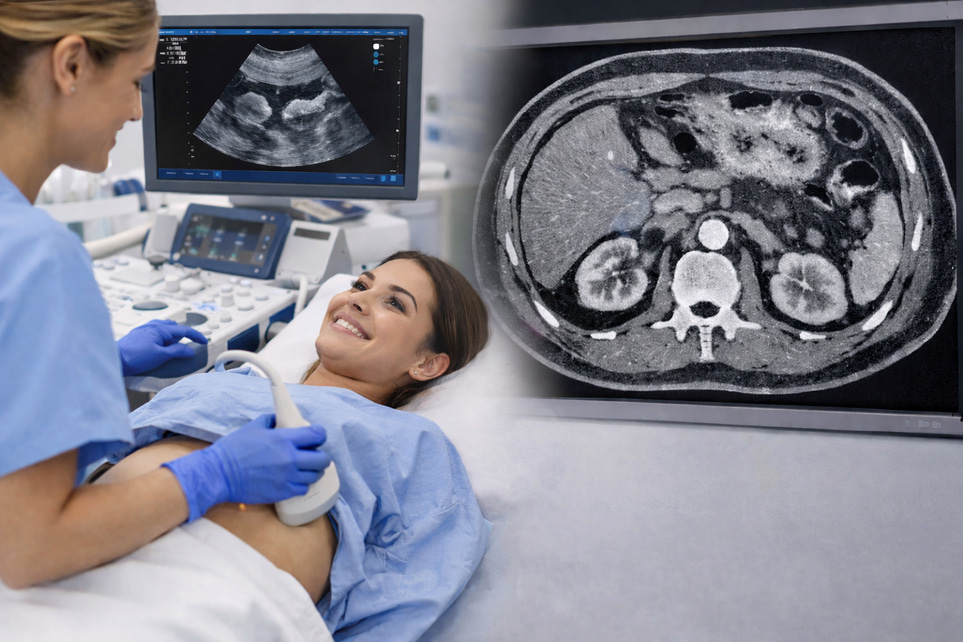
The examination itself is simple. You lie on your back on a table while a scanner moves over your body. It is painless, does not require a needle and is usually quick. When the examination is complete, you can leave the office immediately.
The radiation dose is low, significantly lower than in many standard X-ray examinations. For most people, the examination is therefore associated with very little risk. If you are pregnant or think you may be pregnant, you should always inform your doctor before the examination.
Specific examples of patient groups include a postmenopausal woman seeking care for a vertebral compression fracture or a man over 70 who has become shorter and has had poorer posture over the years. In both cases, DXA can provide important information about the strength of the skeleton and help healthcare providers determine whether treatment is needed.
What does the result show – T-score, Z-score?
The answer given after a bone density measurement is often stated as a T-score. It shows how your bone density differs from the average for a young healthy adult at maximum bone mass. It is primarily the T-score that is used to classify bone density in postmenopausal women and men from the age of 50.
Here's how the limits are interpreted:
- A T-score above -1 is considered normal bone density
- A T-score between -1 and -2.5 is called low bone mass or osteopenia
- A T-score of -2.5 or lower indicates osteoporosis
Osteopenia does not automatically mean that you have a disease that requires medication, but it does show that your bones are thinner than normal. In this situation, the doctor weighs in on more factors, such as age, previous fractures, risk of falls and other diseases.
The Z-score is another number in the answer. It compares your bone density with people in the same age group and is more often used in younger adults, before menopause and in men under 50. T-scores should not be overinterpreted when comparing, as the diagnosis of osteoporosis should not be made solely based on bone density in these groups.
Does a low T-score mean that I will break a bone?
The answer is no. An important part of the risk assessment is being able to see the bone density, but it does not tell the whole story. Fracture risk is also affected by the tendency to fall, muscle weakness, vision, previous fractures, age and certain medications.
When should a bone density measurement be done?
Bone density measurement is used to diagnose osteoporosis and assess the risk of fractures. Screening is recommended for women from the age of 65 and for younger postmenopausal women at increased risk. Men may also need to be examined, especially at an older age or with clear risk factors.
A DXA measurement may be relevant in the following cases:
- fracture after low-energy violence, such as a wrist fracture after a fall on the same plane
- early menopause or a long time after menopause
- treatment with cortisone tablets for several months
- low body weight or clearly underweight
- hip fracture or known osteoporosis in a parent
- smoking or high alcohol consumption
- diseases that affect the skeleton, such as rheumatoid arthritis, COPD, inflammatory bowel disease or hormonal disorders
Risk tools such as FRAX are often used to calculate the probability of fracture within ten years. The assessment is based on, among other things, age, gender, weight, previous fractures, smoking, alcohol, cortisone treatment and certain diseases. The results of the bone density measurement can then be considered in the overall risk assessment.
What symptoms may indicate osteoporosis?
Osteoporosis rarely causes pain at first. This makes many people believe that the skeleton is strong as long as they do not feel anything. In fact, the condition is often only discovered after a fracture.
Signs that may raise suspicion are that you have become shorter over the years, have a more forward-sloping posture or have suffered back pain after a vertebral compression. A low-energy fracture, for example in the wrist, hip or vertebra, is particularly important to take seriously. This applies even if the accident seemed minor.
Osteoporosis rarely causes pain at first and is therefore often only discovered after a fracture.
Signs that may raise suspicion are reduced body height, a more forward-sloping posture or back pain after a vertebral compression. Even fractures in, for example, the wrist, hip or vertebra after a minor fall should be taken seriously.
Low estrogen levels in women and testosterone deficiency in men can increase the risk of reduced bone mass. The same applies to celiac disease, inflammatory diseases and conditions that impair nutrient absorption.
Fatigue, low weight and muscle weakness can sometimes be signs that the skeleton has also been affected. Bone density therefore needs to be assessed together with factors such as nutrition, hormones, inflammation, physical function and fall risk.
What happens after the answer?
As mentioned, a bone density measurement does not give the whole picture, but it is an important part of the continued assessment. If the result shows osteopenia or osteoporosis, the doctor looks at the overall risk of fractures and whether there is an underlying cause for the decrease in bone mass.
The investigation is often supplemented with blood tests, such as calcium, vitamin D, kidney function and thyroid tests. In some cases, sex hormones, parathyroid function or signs of impaired nutrient absorption may also need to be examined.
What then determines which treatment to initiate depends on how high the fracture risk is. In the case of slightly reduced bone density and few other risk factors, it may be sufficient to work with strength and balance training and ensure an adequate intake of calcium and vitamin D. Furthermore, smoking cessation and less alcohol are important. If the person has already had a fragility fracture or has clearly low bone density, drug treatment may be appropriate.
Sometimes a new DXA measurement is performed to monitor bone density over time or to see if the treatment has had an effect. This is especially relevant when the result may affect continued care.
A normal or almost normal result does not mean that all risk of fractures is gone. An older person who falls frequently may still have a high risk of fractures. Therefore, bone density should always be assessed together with the risk of falls and the person's general health.
By detecting a weakened skeleton in time, it is not only possible to prevent fractures, but also to preserve mobility, independence and work capacity later in life.