

Prolactin is an important hormone that plays a crucial role in the body's reproductive system and breast milk production. Analysing prolactin levels can provide valuable information about your well-being and any underlying health conditions. In women, high prolactin levels can cause irregular menstrual periods, reduced fertility and even galactorrhoea (abnormal milk production). In men, abnormal prolactin levels can lead to impotence, reduced libido and gynaecomastia (breast enlargement).
The prolactin test is suitable for people experiencing symptoms such as unusual milk discharge, difficulty becoming pregnant or sexual dysfunction. Analysing prolactin levels can provide greater insight into your well-being and any underlying health conditions.
Is a high prolactin level dangerous?
In addition to reproductive and sexual problems and discomfort, elevated prolactin levels may be associated with conditions such as a pituitary adenoma (prolactinoma), a benign tumour of the pituitary gland that causes an overproduction of prolactin. This may cause symptoms such as headaches, visual disturbances and other hormonal imbalances. Low prolactin levels are uncommon but may sometimes indicate problems with pituitary function, such as hypopituitarism.
What causes high prolactin levels?
There are many causes of elevated prolactin levels. Common causes include stress, pregnancy, breastfeeding and certain medications, particularly antidepressants and antipsychotic medications. Hypothyroidism, kidney disease, impaired liver function and prolactinoma, as mentioned above, may also cause elevated levels. If prolactin is significantly elevated, a repeat follow-up test is often recommended, along with additional hormone tests or an MRI scan of the pituitary gland if necessary.
Reference ranges for prolactin
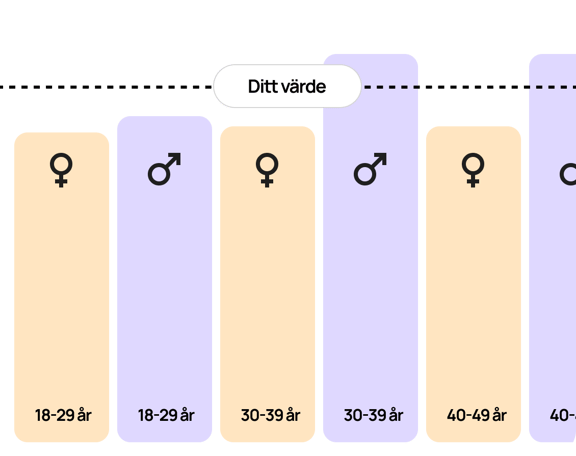
To interpret the results of a prolactin test, it is important to compare the test results with established reference ranges. Please note that the ranges may vary slightly between laboratories, but the most common reference values are:
- Women: 70–350 mIU/L
- Men: 60–260 mIU/L
It is important to understand that prolactin levels can be affected by several factors, including the time of sample collection, stress, physical activity and any medications you are taking. Results outside the reference range may provide guidance for further investigation of hormonal imbalances or underlying conditions.
A prolactin test may also be used to investigate the causes of unexplained weight gain, fatigue or depression, as prolactin is a hormone that can affect general well-being. It may also form part of an investigation when polycystic ovary syndrome (PCOS), hypothyroidism or other endocrine disorders are suspected.
Please note that you should have been awake and active for at least three hours before the sample is collected. Stress before testing should also be avoided. In addition, prolactin levels may be affected by factors such as medication, including antidepressants or antipsychotic medications, pregnancy, breastfeeding and intense physical activity. These factors should always be taken into account when interpreting the results.
Prolactin and circadian rhythm
Prolactin levels follow a circadian rhythm and are naturally higher during the night, with elevated levels potentially persisting for several hours after waking. When interpreting test results, it is therefore important to consider the time at which the sample was collected, as well as other factors that may affect prolactin levels. Stress, certain medications, such as psychotropic drugs and calcium channel blockers, high oestrogen levels, for example when using contraceptive pills, pregnancy, breastfeeding and meals may cause temporary elevations. Pathological causes include prolactinoma, other pituitary tumours, hypothyroidism and endocrine disorders such as Cushing's syndrome. Repeated measurements and additional investigations should therefore be considered when prolactin levels remain persistently elevated.
Symptoms of high prolactin levels
Elevated prolactin levels (hyperprolactinaemia) do not always cause symptoms, but they can affect the body's hormonal balance and reproductive function. In women, common symptoms include irregular or absent menstrual periods, difficulty becoming pregnant, milk secretion without pregnancy or breastfeeding, and reduced sex drive. In men, high prolactin levels can cause erectile dysfunction, reduced libido, infertility and, in some cases, breast enlargement (gynaecomastia). Significantly elevated prolactin levels may also cause headaches or visual disturbances, which may be related to effects on the pituitary gland and should be investigated further.