

Creatine blood test to check kidney function
A creatinine test measures the concentration of creatinine in the blood, usually medically referred to as P Creatinine. Creatinine is a natural waste product that is continuously formed in the muscles and transported with the blood to the kidneys where it is filtered out and leaves the body via urine.
Since the kidneys are responsible for filtering creatinine, the blood test is used as one of the most common markers to assess kidney function. An elevated creatinine value can occur when the kidneys' filtration capacity is impaired, but the value is also affected by factors such as muscle mass, fluid balance, diet, physical activity and certain medications. The result should be assessed together with the laboratory's reference interval and preferably together with eGFR to provide a better estimate of the kidneys' filtration capacity.
What is meant by P-Creatine
P Creatinine is the laboratory term for creatinine that is analyzed in plasma. The test measures the amount of creatinine in the blood and is primarily used as a marker for the glomerular filtration capacity of the kidneys. Creatinine is formed when creatine and creatine phosphate are metabolized in the muscles. Production is relatively constant in an individual person but varies between different individuals because it is largely affected by the amount of muscle mass. A person with a large muscle mass can therefore have a higher creatinine value without the kidney function needing to be impaired.
What does a creatinine blood test show?
A creatinine blood test provides information about how effectively the kidneys filter the blood. When the kidneys' filtration capacity decreases, less creatinine is excreted and the concentration in the blood can rise. The analysis is used, among other things, for:
- assessment of kidney function.
- suspected renal impairment or kidney disease.
- follow-up of already known renal impairment.
- control of diabetes or high blood pressure.
- assessment before or during treatment with drugs that can affect the kidneys.
- suspected fluid deficiency or urinary tract obstruction.
- calculation of eGFR.
However, a single creatinine value does not provide a complete picture of kidney function. Creatinine is recommended to be performed together with eGFR and, if necessary, other kidney markers such as Cystatin C.
Creatine and eGFR
Creatine is often used to calculate eGFR, estimated glomerular filtration rate. eGFR describes how much blood the kidneys are estimated to be able to filter per minute and usually provides a more useful picture of kidney function than the creatinine value alone. In adults, eGFR can be calculated from creatinine along with factors such as age and gender. A lower eGFR generally corresponds to a lower filtration capacity. It is therefore possible to have a creatinine value within the laboratory reference range while eGFR shows mild or moderate kidney function impairment.
For a more complete assessment, creatinine-based eGFR can sometimes be supplemented with Cystatin C and eGFR based on cystatin C, especially when muscle mass makes creatinine more difficult to interpret.
What does a high creatinine level mean?
A high creatinine level means that the concentration of creatinine in the blood is above the laboratory's reference range. This may be due to impaired kidney filtration, but an elevated result does not automatically mean that kidney disease is present. Elevated creatinine can occur in, among other things:
- acute or chronic impaired kidney function.
- dehydration and dehydration.
- outflow obstruction in the urinary tract, for example in the case of kidney stones or prostate enlargement.
- large muscle mass.
- intensive physical exercise before sampling.
- large intake of meat before sampling.
- use of creatine supplements.
- certain medications that affect the excretion of creatinine.
In the event of an elevated value, it is therefore important to also assess creatinine together with eGFR, previous test results, fluid status, muscle mass and other medical information.
What does a low creatinine value mean?
A low creatinine value usually has less medical significance than an elevated value. The most common explanation is low muscle mass because less creatinine is then produced in the body. Low creatinine levels can be seen in older people, people with low muscle mass and during pregnancy, among other things. A low creatinine value in itself does not normally mean that the kidney function is too high or that there is kidney disease.
What is a normal creatinine value?
The reference range for creatinine varies between laboratories, analysis methods, age and gender. In adults, the reference limits are usually slightly higher for men than for women, which is mainly due to differences in average muscle mass. The reference range stated on your current laboratory result should always be used in the assessment.
A creatinine value within the reference range does not automatically mean that kidney function is normal. Creatinine is strongly affected by muscle mass, and people with low muscle mass may have a relatively low creatinine value even though the filtration capacity of the kidneys is impaired. Conversely, people with high muscle mass may have a higher creatinine value without it being due to kidney disease.
Creatine is therefore often assessed together with eGFR, which provides an estimate of the kidneys' glomerular filtration capacity. In cases of difficult-to-interpret results or high muscle mass, creatinine is less reliable, and Cystatin C can instead provide a supplementary picture of kidney function.
Can creatine cause creatinine to become high?
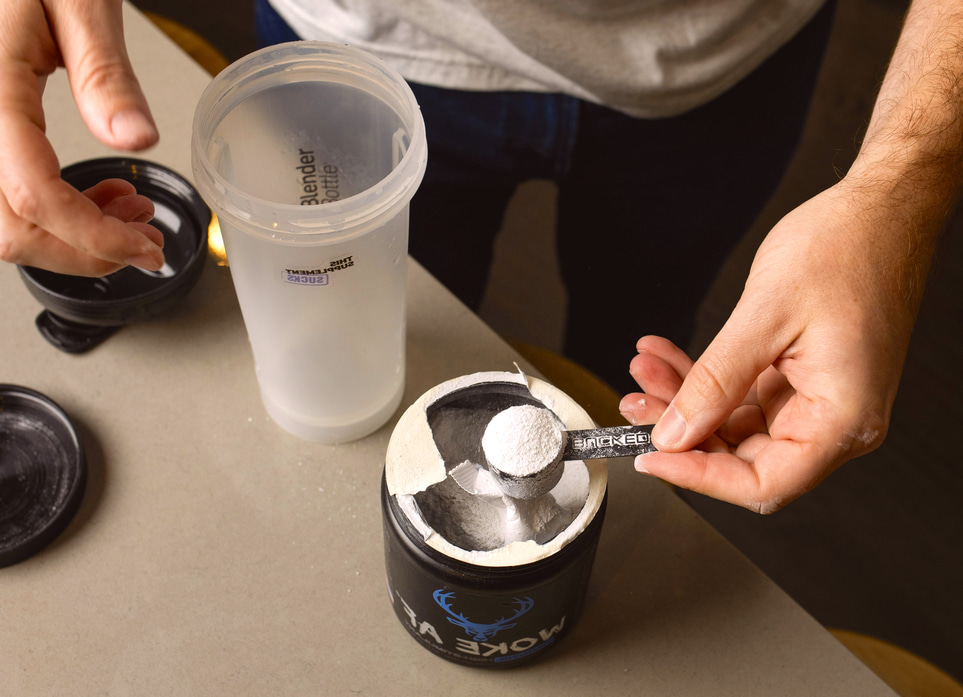
Yes. Creatine supplements can affect creatinine levels because some of the creatine is converted to creatinine. People who use creatine regularly can therefore have a higher creatinine level without it necessarily meaning that kidney function is impaired.
Assuming you are using creatine supplements, it is important to take this into account when assessing the results. In cases of uncertainty about kidney function, analysis of Cystatin C can provide supplementary information because the marker is significantly less affected by muscle mass and creatinine intake.
Can exercise affect creatinine levels?
Vigorous physical activity can temporarily affect creatinine levels. Exercise increases muscle turnover and can therefore contribute to a higher result, especially after intensive strength training or other hard physical exertion. If the aim of the test is to obtain the most representative value possible, it may be wise to avoid very hard physical exercise before the test.
Can food affect creatinine?
Diet can also affect creatinine concentration. A higher intake of meat, especially cooked meat, can cause a temporary increase in creatinine in the blood during the hours after the meal.
This means that an occasional slightly elevated creatinine value can sometimes be due to factors other than impaired kidney function. In the event of unexpected results, a new test under more standardized conditions may be relevant.
Creatinine or Cystatin C?
Creatinine and Cystatin C are both used to assess kidney function but have different strengths and limitations. Creatinine is a very established and common test but is clearly affected by muscle mass, diet and certain medications.
Cystatin C is produced by the body's nucleated cells and is significantly less affected by muscle mass. Cystatin C can therefore be particularly valuable in people with very low or high muscle mass or when creatinine and the clinical picture do not match. In some situations, an average value of eGFR based on both creatinine and Cystatin C provides a more reliable estimate of kidney function than either marker alone.
When may it be relevant to check creatinine?
A creatinine test may be relevant both in checking kidney function and in monitoring conditions that involve an increased risk of kidney damage. Impaired kidney function often causes few or no clear symptoms in the early stages and laboratory tests can therefore be important in detecting changes.
Sample taking may be relevant, for example, in cases of diabetes, high blood pressure, cardiovascular disease, known kidney disease or treatment with drugs that can affect kidney function.
Symptoms of kidney failure
Mild or moderate kidney failure often does not cause any obvious symptoms. Problems usually only develop when kidney function has become more pronounced. Symptoms that may occur in more advanced kidney failure include:
- fatigue and decreased energy.
- nausea or decreased appetite.
- swelling in the legs, feet or hands.
- changed urine output.
- itching.
- high blood pressure.
- muscle weakness.
These symptoms are nonspecific and can have many other causes. Creatinine tests and eGFR are therefore used as part of the overall assessment.
Does an abnormal creatinine value need to be followed up?
An unexpectedly high creatinine value may need to be checked again, especially if the result deviates from previous tests or if there is a low eGFR at the same time. It is often the change over time that provides the most information about kidney function. If the results continue to deviate, additional tests such as Cystatin C, urine tests for albumin, electrolytes and other kidney function tests may be relevant. What further investigation is needed depends on the degree of deviation and the medical issue.