Quick version
More than just red skin – a sunburn is an acute inflammation (the body's repair mode) that occurs because UV radiation has damaged the DNA of the skin cells.
The immune system is suppressed – while the skin is inflamed, UV radiation locally suppresses parts of the immune system (immunosuppression). This means that the skin is temporarily less able to detect and clear away damaged cells.
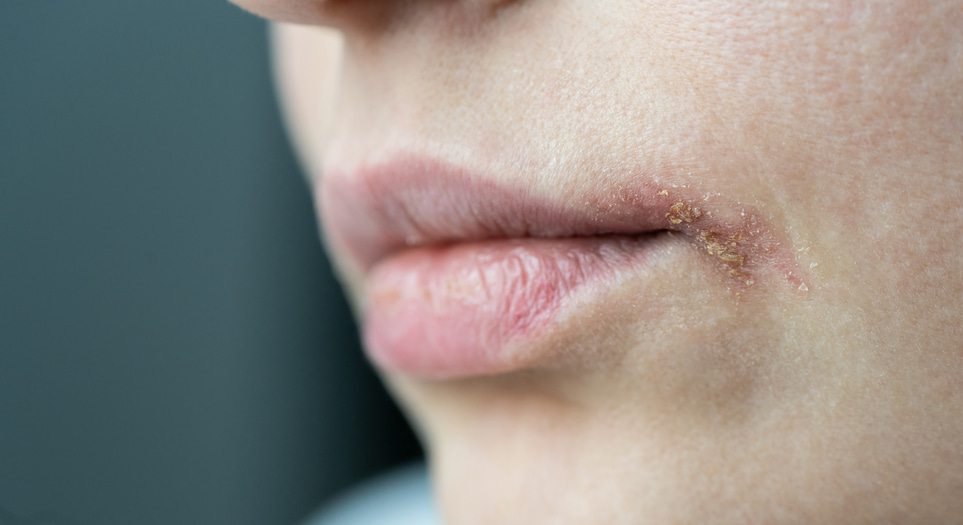
Infections and cold sores – the suppressed immune system makes it easier for dormant viruses to reactivate – that's why you often get cold sores (herpes) when sunbathing. Blisters in the skin also increase the risk of infections.
Long-term cancer risk – when UV radiation both damages DNA and suppresses the immune system, the risk of skin cancer increases over time. It's about the total amount of sun damage over a lifetime.
Vitamin D does not require a tan – you don't need to get a tan (or burn) to get vitamin D.
When the skin first feels warm and tight after a day in the sun, many people think of redness, burning and the risk of peeling. Fewer people realize that sunburn is also an immunological reaction. The body not only responds with inflammation in the skin, but also affects how the immune system works locally and to some extent in the rest of the body.
How does sunburn affect the immune system?
Sunburn occurs when the skin has received more ultraviolet radiation, especially UVB but also UVA, than it can protect itself against. UV radiation damages skin cells and their DNA, and the body reacts by increasing blood flow to the area. This is why the skin becomes red, hot, tender and sometimes even swollen.
The redness that is visible is therefore a sign of damage. A sunburn or “base tan” does not mean that the skin has become stronger in a healthy way, but that it has already been exposed to an amount of UV radiation that has exceeded the skin’s tolerance. This applies even if the symptoms resolve within a few days.
For the immune system, this means that the skin goes into acute repair mode. Inflammation is needed to clean up damaged cells, but it occurs at the same time as certain parts of the skin's immune system are suppressed. This is one of the reasons why UV radiation is more than a cosmetic problem.
How UV radiation suppresses the skin's immune system
The skin is not just a protective shell, but an active immune organ. The skin contains immune cells that recognize microorganisms, react to damage and help the body decide what to fight and what can be tolerated. UV radiation can disrupt that balance.
Research and international health authorities describe that UV exposure can cause something called immunosuppression, which is a suppression of the immune system. This occurs, among other things, by certain immune cells in the skin functioning less well, by changing signaling substances between different cells and by weakening the immune response to substances that hit the skin in the following days. The effect is most pronounced locally in sun-damaged skin, but can also have broader immunological consequences.
It may sound strange that you can have inflammation at the same time as your immune system is suppressed, but both things can actually happen at the same time. The body creates an acute inflammatory reaction to tissue damage, while other parts of the immune system become less effective at monitoring, recognizing and eliminating damaged cells.
For those wondering if a single sunburn “destroys the immune system”, the answer is no. But it is important to be aware that recurrent or severe UV damage is a strain on the skin’s immune system and contributes to an environment where DNA damage can more easily have consequences over time.
Can sunburn make you more susceptible to infections?
Sunburn does not in itself cause a cold, but UV-related immunosuppression can reduce the skin’s ability to handle certain infectious challenges. The World Health Organization describes that the altered balance in the immune response can reduce the body's ability to defend itself against certain diseases.
In practice, it is usually not noticeable that you have a dramatically lowered immune system after a day at the beach. However, there are links between UV exposure and reactivation of certain viruses, especially herpes simplex, i.e. cold sores. Many people recognize that cold sores flare up after strong sun, vacations or skiing at high altitude.
If the skin also gets blisters, the risk of secondary infection in the damaged skin barrier increases. This is why blisters should not be broken unnecessarily. Intact skin is a mechanical protection against bacteria, and when the barrier is broken, the area becomes more vulnerable.
Why repeated sunburns matter in the long term
The immune system's task is, among other things, to detect and manage cells that have been damaged so much that they risk developing incorrectly. It is when UV radiation both causes DNA damage and at the same time suppresses parts of the immune surveillance that the combination becomes problematic. This is an important explanation for why excessive UV exposure increases the risk of skin cancer.
This does not mean that every sunburn leads to cancer. Risk is about the cumulative load over time: skin type, number of burns, intensity of exposure, whether the exposure occurred during childhood and adolescence, and whether you work a lot outdoors.
What can you do if you have been burned – and how do you protect your immune system going forward?
If you have already had a sunburn, the goal is to reduce further damage and help your skin heal. Get out of the sun immediately, cool your skin gently, and drink extra fluids if you feel hot or dehydrated. If necessary, over-the-counter painkillers can relieve pain and swelling.
If your skin has also blistered, it is a deeper injury. If so, leave the blisters intact if possible, as they protect the new skin underneath. Seek medical attention if you develop large blisters, if they are on the face, hands or the groin or genital area, or if you also develop a fever, nausea, increasing pain, confusion, vision problems or signs of infection.
To prevent new sunburns, practical layered protection is recommended when the UV index is 3 or higher:
Seek shade, especially in the middle of the day.
Wear protective clothing, a hat, and sunglasses.
Choose a broad-spectrum sunscreen with SPF 30 or higher on skin not covered by clothing.
Avoid tanning beds.
Be extra careful around water, sand, snow, and at high altitudes where UV radiation can be stronger.
Another common question concerns vitamin D. The body needs some UV exposure to produce vitamin D, but it is not necessary to burn. For people with very low sun exposure, it may instead be reasonable to monitor your levels vitamin D levels via testing and, if necessary, discuss diet or supplements. Sunburn is never a recommended path to better immune function.
The skin's immune system is rarely noticeable when it is working properly. It is only noticeable when the barrier fails, when cold sores return after sun exposure, when the skin heals slowly or when years of UV damage begin to take their toll. This is precisely why sun habits are part of preventive health, in the same way as sleep, exercise and nutritional status.