Quick version
It's easy to blame summer fatigue, dizziness and cramps on the heat alone, but changes in habits during the holidays can actually reveal deeper nutritional deficiencies. When we sweat more and eat more lightly or more irregularly, the body's stores are emptied more quickly of fluid, iron and important electrolytes such as magnesium and potassium. In addition, a one-sided summer diet or a lot of time indoors can lead to unexpected deficiencies in everything from vitamin D to B12 and calcium. If your energy doesn't return after your holiday, it's wiser to test your values than to guess - fatigue is often the body's way of signaling that the stores really need to be replenished.
During July, fatigue, dizziness or cramps can easily be perceived as “just heat”. But summer habits change what we eat, how much we sweat and how much time we actually spend in the sun. That is why we often see that deficiencies during the summer either become more obvious or worsen in people who are already on the verge.
For some, it is noticeable after a few weeks of irregular meals, a lot of exercise or many hot working days outdoors. For others, it is only discovered when recovery deteriorates, the skin becomes drier, the heart races or the energy does not return despite a vacation. This applies to both private individuals and employers: impaired fluid balance and nutritional status affect concentration, energy and performance long before you become clearly ill.
Fluid deficiency is the most common summer deficiency
Medically speaking, dehydration is not a vitamin deficiency, but it is probably the most common deficiency during the summer. High heat, sweating, alcohol, diarrhoea and physical activity increase the loss of fluid and salts. In case of heat stress, regular intake of water is recommended, and in case of prolonged or intense sweating, drinks or food that replace carbohydrates and electrolytes may also be needed.
Early symptoms are thirst, headache, dry mouth, fatigue and dark urine. If dehydration increases, dizziness, palpitations, decreased energy and sometimes confusion may occur. In the elderly, it is often noticed more subtly, for example as a tendency to fall or unusual fatigue, while people who work outdoors may develop heat cramps or heat exhaustion more quickly.
It is easy to wait to drink until thirst is already evident. For those who sweat a lot, water alone is not always enough; drinks or food containing salt and carbohydrates may be needed to restore balance. In practice, this means starting the day with a good fluid intake, drinking evenly throughout the day and being extra careful when exercising, long car trips, festivals, beach days and working in a hot environment.
Seek emergency medical attention if you have a high body temperature, confusion, fainting or if you are not drinking enough fluids. These can be signs of heatstroke, not just normal dehydration.
Iron deficiency is often more evident in the summer
Iron deficiency is one of the world's most common nutritional deficiencies, and during the summer it is often more noticeable in people who run, cycle, swim or train for races. Women with menstruation, endurance athletes and people with low energy intake are at risk. In athletes, iron losses can increase through, among other things, sweating, minor bleeding from the gastrointestinal tract, mechanical breakdown of red blood cells and poorer absorption after hard exercise.
The symptoms often come on insidiously: lack of energy, reduced fitness, shortness of breath on exertion, headache, pallor and more difficult recovery. Many describe that their legs feel heavy even though their exercise is actually going well. Especially in the summer, this is easily misinterpreted as heat, pollen or poor sleep.
A common scenario is that people eat lighter in the summer: more salad, less cooked food and sometimes too little protein and iron-rich foods. This increases the risk that an already low ferritin value will drop further. People who exercise a lot and are trying to lose weight are particularly vulnerable.
How to avoid it? Build meals with iron sources such as meat, blood meal, legumes and fortified products, and preferably combine with vitamin C-rich foods such as peppers, citrus or berries for better absorption. If you have clear symptoms, it is not helpful to take a chance with supplements; in that case, you should check your blood status and iron stores before treatment, as fatigue can also be due to other causes.
Magnesium and potassium deficiency mainly affects those who sweat a lot
Many people ask if muscle cramps in the heat always mean magnesium deficiency. The answer is no. However, severe fluid loss, prolonged sweating, vomiting, diarrhea or a one-sided diet can contribute to disturbances in the body's electrolyte balance, i.e. the balance of salts that control muscles, nerves and heart rhythm. Potassium is mainly lost via urine and the gastrointestinal tract, but heavy sweating can also contribute to low levels. Magnesium status is more difficult to assess with regular blood tests, but insufficient intake or increased losses can cause symptoms from the muscles and nervous system.
Signs can include muscle fatigue, weakness, twitching, cramps, palpitations or a general feeling of illness. At the same time, it is important not to self-diagnose. Cramps after a hot run can be due to dehydration, salt loss, overload or heat exhaustion, not necessarily an isolated magnesium deficiency.
The practical advice is to think holistically. On normal summer days, a varied diet often goes a long way, but those who sweat a lot need regular fluids and food that provides both salt and minerals. Good foods include:
nuts and seeds
legumes
whole grains
dairy products or fortified alternatives
potatoes, fruit and vegetables
In the event of recurring cramps, palpitations, pronounced weakness or concomitant diarrhea, electrolytes should be checked instead of trying several supplements on your own. This is especially important if you are taking diuretics or have heart or kidney disease.
Vitamin D deficiency can occur in the middle of summer
It sounds contradictory, but vitamin D deficiency does not automatically disappear just because it is bright outside. The body forms D-vitamin in the skin via UVB radiation, but the amount is affected by factors such as the season, time of day, cloudiness, skin pigment, age, clothing and use of sunscreen. Sunlight through windows does not help, because UVB does not pass through glass.
This means that people who work indoors, avoid the sun for medical reasons, wear covering clothing or have darker skin may have low levels even during the summer. At the same time, unprotected sunbathing should not be recommended as a treatment.
The symptoms are often non-specific: fatigue, muscle weakness, diffuse pain or reduced muscle strength. With a longer-term deficiency, the skeleton and muscles can be more clearly affected. For people who wonder why their energy doesn't return despite a vacation, vitamin D may be part of the explanation, especially if they also have low sun exposure and low consumption of fatty fish or fortified foods.
The safest way is to assess your risk profile and, if necessary, measure 25-hydroxyvitamin D in your blood. If you suspect a deficiency, testing is better than guessing, since both too low and unnecessarily high supplement levels can be problematic.
B12, folate and calcium deficiencies increase when the summer diet becomes too one-sided
Summer food is often simpler: coffee for breakfast, salad for lunch and something quick in the evening. For many, this works great in the short term, but if the diet contains too little animal products, fortified products or dairy for weeks or months, several deficiencies may become more likely.
Vitamin B12 is found naturally in animal foods and in fortified products. A plant-based diet without fortification or supplementation can therefore lead to deficiency, and the risk also increases in the elderly and in people who use metformin or antacids for a long time. B12 deficiency can cause fatigue, anemia, tongue problems and neurological symptoms such as numbness, tingling and balance problems.
Folate deficiency is less common as an isolated deficiency, but is seen primarily in poor diet, high alcohol intake or malabsorption. Symptoms can include fatigue, sore tongue and gastrointestinal problems. During the holidays, irregular meals and a lot of alcohol can be a contributing combination.
Calcium deficiency is rarely detected quickly in blood tests because the body keeps the blood calcium level stable at the expense of the skeleton. However, long-term low intake can contribute to osteomalacia, i.e. lack of mineralization of the skeleton, and in the long term, poorer bone health. The risk increases if you avoid dairy products without replacing them with calcium-fortified alternatives, especially if your vitamin D status is also low.
Here's a simple rule of thumb: if your summer diet excludes an entire food group, it almost always needs to be planned more actively. For vegetarians and vegans, it is particularly relevant to review B12. For people with lactose intolerance or low dairy consumption, calcium and sometimes vitamin D are more relevant to follow up.
When should you test your values?
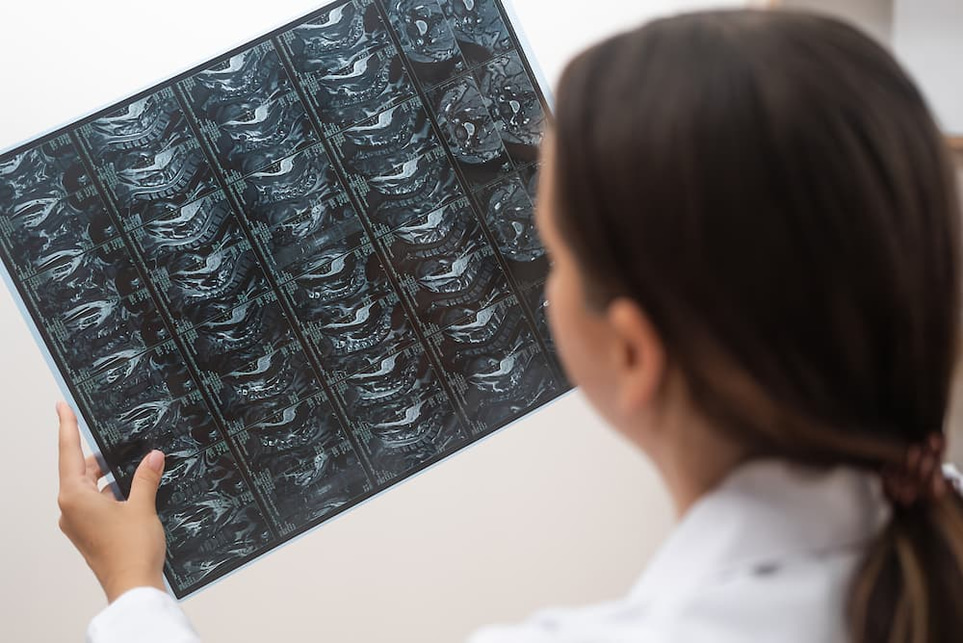
If you recognize yourself in persistent fatigue, lower energy, recurring cramps, dizziness, palpitations or impaired recovery despite sleeping and eating reasonably, it is wise to move from guessing to measuring. The same applies if you exercise a lot, work in the heat, eat restrictively or use medications that affect absorption and fluid balance. In this case, testing can provide a clearer answer than more dietary advice at random.
Summer fatigue is therefore not always “just summer”. Sometimes it is the body's most discreet way of signaling that recovery is no longer enough to compensate for what is missing.