Quick version
Osteomalacia means that adult bone tissue becomes insufficiently mineralized, which makes the skeleton soft, weak and more susceptible to fractures. The condition is most often caused by a long-term lack of vitamin D – due to, for example, little sun exposure, a one-sided diet or malabsorption in intestinal disease and bariatric surgery – but can also be due to kidney disease or phosphate deficiency. Typical symptoms are insidious aching pain in the bones and muscle weakness in the thighs and shoulders. The diagnosis is made through a combined assessment of blood tests (including vitamin D, calcium, phosphate, PTH and ALP) and sometimes X-rays. Treatment mainly consists of adjusted doses of vitamin D and calcium, or targeted interventions against the underlying cause.
Osteomalacia often sneaks up on you. It can start with diffuse aching bones, unusual fatigue in the thighs when you walk up stairs or a feeling that your body is not really carrying you as it usually does. Many people first think of stress, age or a “normal” vitamin deficiency, but sometimes it is a matter of the bones not mineralizing properly.
Osteomalacia – symptoms, causes and treatment
Osteomalacia means that the bone tissue in adults becomes insufficiently mineralized, meaning that the bones contain too little of the minerals that make the bones hard and strong. This not only leads to an increased risk of fractures, but also to muscle weakness and sore bones. The condition is most often caused by a long-term deficiency of vitamin D, but also a deficiency of calcium or phosphate, malabsorption, kidney disease and certain medications can be behind it.
Unlike osteoporosis, where bone mass decreases, osteomalacia is mainly about the bone being built up with too poor "hardening". A person can therefore have normal or only slightly reduced bone density but still experience bone pain and fractures. In children, the corresponding disease is called rickets.
What are the symptoms of osteomalacia?
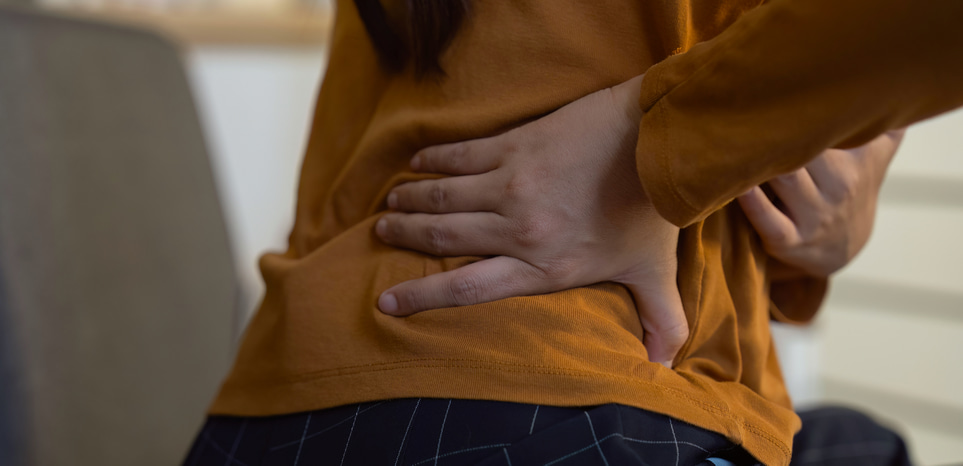
The symptoms of osteomalacia are often non-specific at first. Common complaints are dull aches in the hips, pelvis, lower back, ribs or legs, especially when the body is stressed. Many also describe proximal muscle weakness, that is, in the thighs and shoulders, which can be noticed when getting up from a chair, walking up stairs or needing support to get up from a squat.
Some only seek care when they have suffered a stress fracture or a fracture after relatively minor trauma. Tenderness over the skeleton, a wobbly gait and reduced energy also occur. In severe vitamin D deficiency, low calcium can also cause numbness, muscle cramps or tingling, but this is not the most common first symptom.
Common questions are “Can osteomalacia cause pain in the legs without the X-ray showing a clear abnormality?” and “Can I feel weak before the tests become very bad?” The answer is yes to both. Osteomalacia can cause clear symptoms before the changes become obvious to someone who is not specifically looking for them.
What causes osteomalacia?
The most common cause is long-term vitamin D deficiency. Vitamin D is needed for the intestine to absorb calcium and phosphate effectively. When levels are low for a long time, the body has difficulty mineralizing newly formed bone tissue, and the result is a softer and weaker skeleton.
The deficiency can be due to several different things. Examples include low sun exposure, full-coverage clothing, dark skin in northern climates, old age, a one-sided diet or rarely eating foods rich in vitamin D. Pregnancy and breastfeeding can also increase vulnerability if supplies are already low.
Another important group are people who do not absorb nutrients normally from the intestine. This applies, for example, to celiac disease, inflammatory bowel disease, after bariatric surgery or other malabsorption. In this case, it may be difficult to absorb both vitamin D and calcium despite trying to eat well.
Osteomalacia can also be caused by phosphate deficiency, chronic kidney disease, liver disease or medications that affect vitamin D metabolism. In more unusual cases, the condition is due to hereditary disorders or tumor-induced phosphate loss. This is precisely why it is not always enough to simply determine low vitamin D levels; you need to understand why it is low or why the bone is still not healing as expected.
How is the diagnosis made?
The diagnosis of osteomalacia is based on the whole: symptoms, blood tests and sometimes imaging. Typical laboratory findings are low or low-normal calcium, low phosphate, elevated alkaline phosphatase and low levels of 25-hydroxivitamin D, i.e. the blood test that best reflects the body's vitamin D stores. Parathyroid hormone, PTH, is often elevated as a compensatory mechanism when the body tries to keep the calcium level up.
For those who have diffuse bone pain or muscle weakness, it may therefore be relevant to check several values at the same time, not just a single vitamin. 25-OH vitamin D, calcium, phosphate, albumin, creatinine, PTH and alkaline phosphatase are often included. If underlying malabsorption or another systemic disease is suspected, the investigation may need to be broadened further.
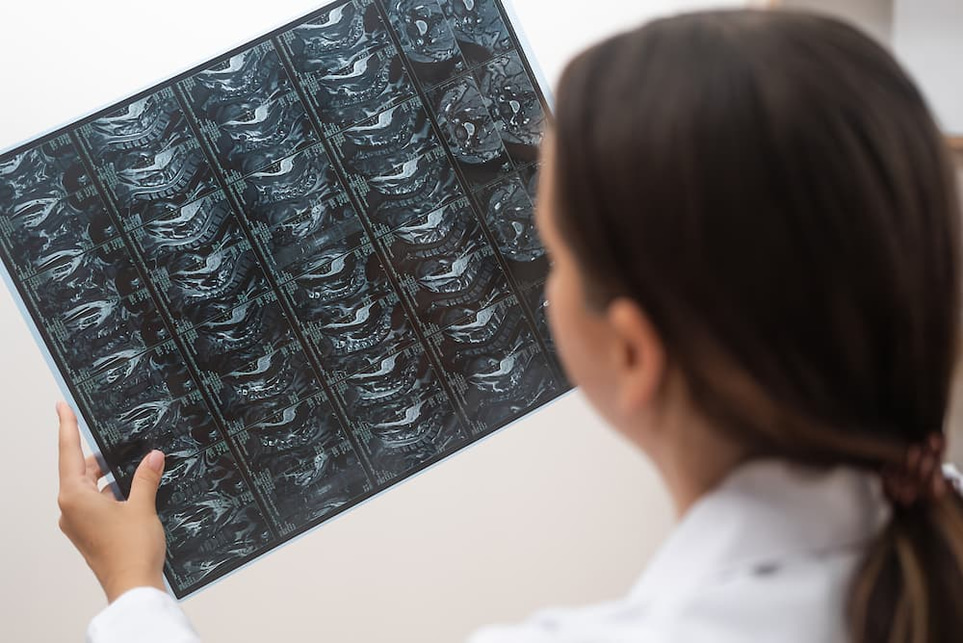
X-rays can sometimes show so-called pseudofractures or Looser zones, especially in the ribs, pelvis or femur, but these are not seen in everyone. Bone density scan can be a complement but cannot alone distinguish osteomalacia from other bone diseases. Therefore, the clinical interpretation is crucial.
Treatment of osteomalacia
Treatment is guided by the cause. If osteomalacia is due to vitamin D deficiency, the treatment usually consists of vitamin D, often in a higher dose at the beginning and then maintenance treatment. Calcium often needs to be ensured at the same time, either through the diet or as a supplement, since the bone cannot mineralize normally without sufficient access to both. In the case of phosphate deficiency or another underlying disorder, targeted treatment is required for that specific cause.
In some patients, regular vitamin D supplements are not enough. This applies, for example, to malabsorption, advanced kidney disease or certain hormonal disorders. In such cases, doctors may need to choose other treatment strategies, sometimes including active forms of vitamin D, closer monitoring or treatment of the underlying disease.
Improvement often comes gradually. Muscle weakness and bone tenderness can begin to ease within weeks of correct treatment, while blood tests and bone recovery can take months. Alkaline phosphatase usually normalizes more slowly than calcium and phosphate, which is important to know so that slow laboratory improvement is not interpreted as treatment failure.
Treatment needs to be followed up. Blood tests are usually checked after therapy is started to ensure that vitamin D levels are rising, that calcium levels are safe and that overtreatment is not being given. This is especially important in people with kidney disease, sarcoidosis, a history of kidney stones or other conditions where calcium balance may be sensitive.
When should you seek care or test your values?
You should seek care if you have long-term bone pain, unexplained muscle weakness, repeated stress fractures or if you belong to a group at increased risk of vitamin D deficiency. This is especially true if you also have bowel disease, previous bariatric surgery, kidney disease or medication that can affect vitamin D metabolism.
If you want to understand the whole picture, it is wise not to just look at a single value. A well-thought-out health checkup can put vitamin D, calcium and other markers in context and show whether there is reason to proceed with medical assessment. Here, internal linking can also be a natural fit for pages about vitamin D deficiency, calcium, phosphate, PTH or health checks for fatigue and muscle weakness.
Osteomalacia reminds us of how closely connected muscles, intestines, kidneys and skeleton actually are. When the body can no longer build strong bone, it is often first noticed in everyday movements, not in a dramatic acute stage. That is why early testing can make a big difference before pain and fracture risk have time to become a long-term burden.