Quick version
A stress fracture is a gradually occurring crack in the skeleton, most commonly in weight-bearing bones such as the foot and tibia, which occurs when the load increases faster than the bone has time to recover. The injury is characterized by a sharp, local point tenderness when loaded, unlike diffuse exercise pain. The causes vary from too rapid an increase in exercise and hard surfaces to underlying factors such as lack of energy and low bone density. The diagnosis is best confirmed with a magnetic resonance imaging (MRI), and treatment requires relief from impact activities, sometimes with the help of an orthosis or crutches. If the pain recurs at the same point or affects your walking pattern, you should seek care early to avoid long-term problems.
A dull ache in the foot after a run is easy to dismiss as training soreness or “just a little overexertion”. But when the pain returns at the same point, becomes more pronounced with exertion and is eventually felt in everyday life, it could be a stress fracture. It is an injury that often starts discreetly but can become long-lasting if you continue to exercise through the pain.
What is a stress fracture?
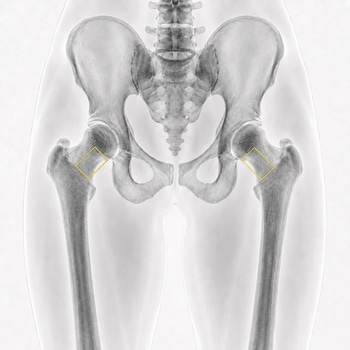
A stress fracture is a small crack or incipient cracking in the bone that occurs when the bone is subjected to repeated stress over time. Unlike a common bone fracture, which is often caused by a single trauma such as a fall or a tackle, a stress fracture develops gradually. It is mainly seen in weight-bearing bones, especially in the foot, metatarsal, shinbone, heel bone and sometimes hip or pelvis.
The mechanism is basically simple: the skeleton is constantly rebuilding. When the load increases faster than the bone can recover, a bone stress injury first occurs and then an actual fracture. This is why stress fractures are common in runners, dancers and people who suddenly increase the amount of walking, jumping or training.
Symptoms of a stress fracture - what does it feel like?
The most common symptom of a stress fracture is pain that is located at a clearly defined point and that occurs when there is strain. At first, it is often only noticeable during or after activity, for example after running, brisk walking or longer work sessions on a hard surface. Over time, the pain can come earlier during the session, stay longer and eventually be felt even at rest.
Many describe being able to point a finger at the sore area. Local tenderness is typical, and sometimes there is also slight swelling. If the fracture is in the foot or shin, you may start to limp or unconsciously relieve pressure on the side.
Common signs to look out for are:
- pain at a specific point in the foot, lower leg, hip or pelvis
- increasing pain when walking, running or jumping
- tenderness when pressing directly over the area
- swelling or a feeling of irritation in the tissue around the leg
- pain that does not behave like regular muscle soreness and does not go away with a few days of light exercise or rest
A practical difference from muscle soreness is that muscle soreness is usually felt more diffusely in the muscles on both sides or in larger areas. Stress fractures often cause a sharper, local pain in the area of the bone itself.
Why do you get a stress fracture?
The most common cause is a rapid increase in load. This can involve going from walking to running, increasing the distance too quickly, starting with jumping training, changing surfaces or training several days in a row without recovery. The bone then does not have time to repair the micro-damage that normally occurs during training.
Risk is also affected by biomechanics and equipment. Incorrect running technique, foot position, poorly cushioned shoes or a way of working with a lot of standing and walking on hard floors can contribute. Previous stress fractures also increase the risk of a new injury.
In some people, there is an underlying medical explanation for the skeleton becoming more vulnerable. Examples are low bone density, vitamin D deficiency, insufficient energy intake or hormonal disorders. In sports medicine, people often talk about RED-S – relative energy deficiency in sports – where too low an energy supply affects hormones, recovery and bone health, among other things. Menstrual disorders, missed periods, low body weight or significant weight loss are then important warning signs.
This means that a stress fracture is not always just an orthopedic injury. In some cases, it is a sign that the body is not getting enough conditions to build strong bone, which means that the investigation sometimes needs to include more than the area of pain itself.
How do you find out if you have a stress fracture?
Suspicion is often raised by the medical history: gradually increasing pain after repeated strain, clear point tenderness and discomfort that worsens with activity. The doctor then performs an examination and assesses where the pain is located, how sensitive the area is to strain and whether there is swelling or abnormal walking patterns.
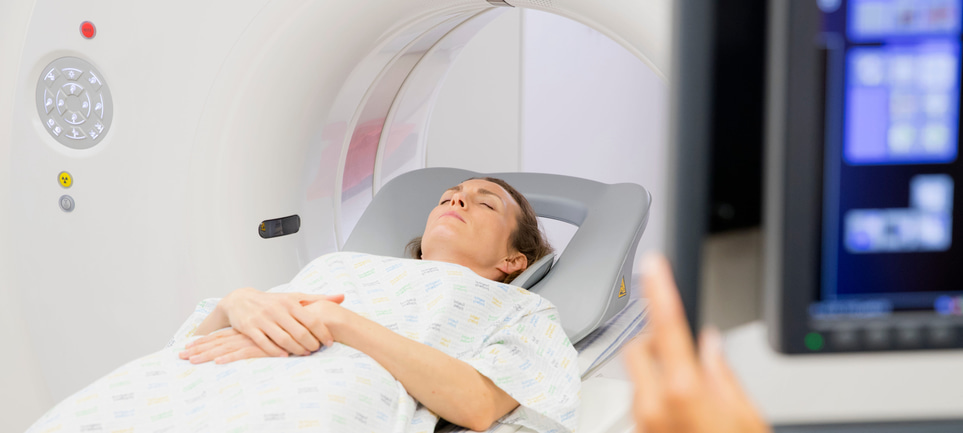
To confirm the diagnosis, imaging is used. A regular X-ray is usually the first step, but early in the process, the images may be normal despite the presence of a stress fracture. This is because the earliest changes in the bone are not always visible on plain X-rays. If suspicion persists despite normal X-rays, magnetic resonance imaging, MRI, is the most precise examination for detecting early bone stress injuries and stress fractures. MRI can also show how severe the injury is, which helps plan treatment and return to activity.
Treatment of stress fracture - what helps?
Treatment is primarily based on reducing the load that triggered the injury. For many, this means a temporary break from running, jumping or other impactful activity. Instead, people often choose gentler exercise, such as cycling or swimming, if it can be done without pain.
How long it takes to heal depends on where the fracture is located and how severe it is. Some stress fractures heal in a few weeks, while others require significantly longer off-loading. Fractures in certain areas have a poorer healing ability and are therefore monitored especially closely. These include certain parts of the foot, the femoral neck and the front of the tibia.
Sometimes aids are needed to relieve the load, for example:
- a stable shoe or orthosis
- a walking boot
- crutches for a period
- individually adapted inserts or changed shoe load
Surgery is uncommon but may be necessary for high-risk fractures, failure to heal or when the fracture is in an area where the risk of complications is greater. It is therefore wise not to wait too long to assess if the pain is increasing or if you are unable to bear weight normally.
When should you seek medical attention?
Seek medical attention if you have pain near the bone that recurs in the same place for more than a few days, especially if it worsens with weight bearing or causes you to limp. This is especially true if you have recently increased your training, changed activities or worked physically intensively and the pain does not behave like normal overexertion. Early diagnosis reduces the risk of a small injury developing into a more serious fracture.
A stress fracture is often the body's way of signaling that the load has passed the limit of recovery. Those who listen to this signal early not only have a better chance of healing, but can also detect factors that affect the skeleton long before they lead to new injuries.