
Quick version
Elevated white blood cells (leukocytosis) indicate that the immune system is activated, but this is usually due to completely benign causes. Temporary or mild increases are usually caused by physical or mental stress, hard exercise, smoking, pregnancy or treatment with cortisone. The value can also rise in the event of non-infectious inflammation, allergic disorders and autoimmune diseases. In more unusual cases, high values are due to blood diseases in the bone marrow. The doctor makes a comprehensive assessment based on which cell types are elevated and whether there are warning signs such as fever, unintentional weight loss, night sweats or swollen lymph nodes.
High white blood cells without infection are often discovered by chance. You may have had a blood test for fatigue, recurring headaches, or a general health check — and the result showed an elevated LPK, or white blood cell count. Then it is easy to think that something infectious is going on, but it is not always that simple.
High white blood cells without infection – what could it be due to?
White blood cells, also called leukocytes, are part of the body's immune system. They help defend the body against bacteria, viruses, and other threats, but they also participate in inflammation, allergic reactions, and healing after injury. An elevated white blood cell count is called leukocytosis.
High white blood cells without infection therefore do not automatically mean that something is “wrong” in the sense of dangerous. Sometimes it is a temporary reaction to stress, medication, or smoking. In other cases, it is a sign of inflammation, autoimmune disease or, more rarely, a blood disease that needs to be investigated further.
Common causes of high white blood cells without infection
The most common explanation is that the body is reacting to something other than infection. Physical or mental stress can temporarily increase the number of white blood cells, for example after hard exercise, acute pain, surgery or a strong stress reaction. Smoking and obesity are also well-known causes of a chronically slightly elevated LPK.
Medications are another common cause. Cortisone in particular can increase the number of white blood cells, and sometimes also adrenaline-like drugs. Pregnancy can also give higher values without it being a disease.
In practice, it can look like this:
- You take cortisone tablets for asthma or an inflammatory disease.
- You smoke daily and at the same time have a slightly elevated LPK on several tests.
- You have exercised very hard or been under strong pressure the week before the test.
- You have recently had surgery or are recovering from tissue damage.
Such situations often give moderate deviations rather than very high values. Therefore, the doctor does not only look at the number itself, but also at the context.
Inflammation, allergy and autoimmune diseases can raise the value
Infection and inflammation are not the same thing. In inflammation, the immune system is activated even when there is no bacterial or viral infection, for example in the case of joint inflammation, inflammatory bowel disease or tissue damage. White blood cells then accumulate in the body as part of the repair process, and this can be seen in the blood test.
Autoimmune diseases can also cause high white blood cells without infection. Examples include rheumatoid arthritis, vasculitis diseases and sometimes sarcoidosis. In these conditions, the immune system reacts against the body's own tissues, which can drive up the level of inflammation and thus LPK.
Allergic conditions can affect certain subsets of white blood cells, especially eosinophil granulocytes. Asthma, more severe allergic reactions, atopic disorders and certain drug reactions can therefore give a blood test that looks abnormal even when you are not infected.
Which type of white blood cells is elevated plays a big role
When people say "high white blood cells", they often mean the total value, but it is the distribution between different cell types that often provides the most important clues. Therefore, an abnormal LPK is often supplemented with a differential count, where it is seen whether it is mainly neutrophils, lymphocytes or eosinophils that are elevated.
Elevated neutrophils are often seen in stress reactions, smoking, cortisone treatment, inflammation and after surgery. Elevated lymphocytes can sometimes be seen after certain viral infections, but also in the absence of a spleen or certain blood diseases, for example. Elevated eosinophils instead raise suspicion of allergy, asthma, drug reaction or sometimes parasitic disease.
This is the reason why two people with the “same” high LPK may need completely different assessments. An isolated slightly elevated value in a smoker without symptoms is handled differently than a rising value together with anemia, night sweats or enlarged lymph nodes.
When high white blood cells may be due to a blood disease
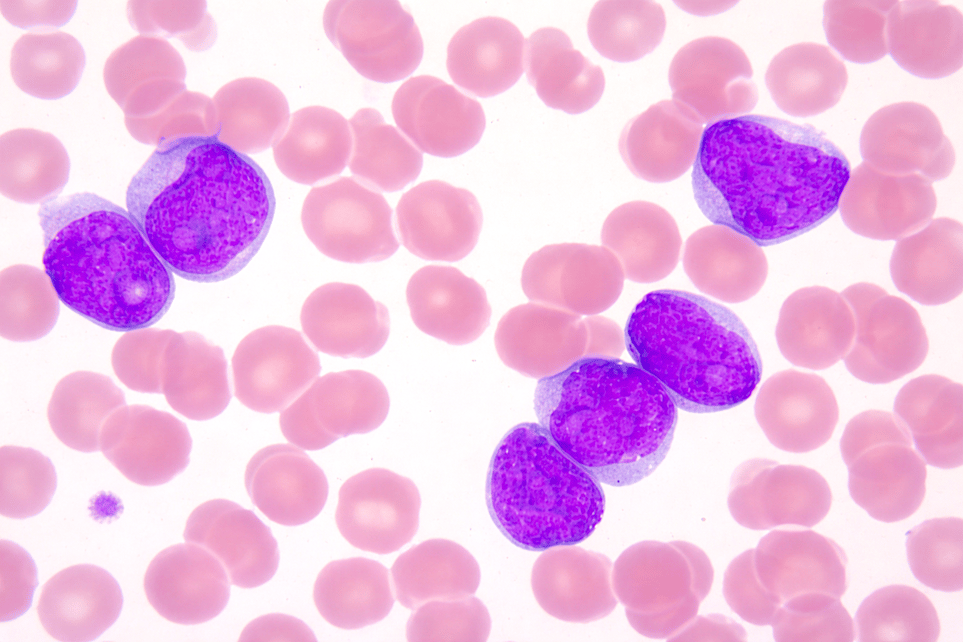
In more unusual cases, leukocytosis is a sign of a disease in the bone marrow, where blood cells are formed. This may apply to leukemia or other myeloproliferative diseases, which affect the production of blood cells. Then the values are sometimes clearly elevated, but what is most important is often that the blood count looks abnormal or that several blood values deviate simultaneously.
Warning signs that usually lead to a faster investigation are, for example:
- very high or rapidly rising white blood cells
- simultaneous anemia or abnormal platelets
- immature blood cells in a blood smear
- enlarged lymph nodes or enlarged spleen
- unexplained fever, night sweats, weight loss or pronounced fatigue.
A very high number of white blood cells, especially levels approaching 100,000 per microliter, needs to be assessed urgently because it may indicate leukemia or another blood disease. This does not mean that most people with high LPK have cancer — on the contrary, reactive, i.e. benign, causes are much more common — but such findings should be taken seriously.
How the investigation usually goes for high white blood cells without infection
The first step is usually to confirm that the value is indeed elevated. A single test can be affected by temporary factors, so the doctor often wants to repeat the blood status and at the same time order a differential count. A blood smear is often also examined under a microscope to see if the cells look normal or if there are immature forms.
The test result is then weighed against your symptoms, medications and your life situation. Have you recently been stressed, exercised hard, do you smoke, do you use cortisone or do you have signs of inflammatory disease? In many cases, the investigation is supplemented with CRP or lowering, sometimes also other tests depending on suspicion, for example iron status, liver tests or tests for autoimmunity.
Many people wonder if high white blood cells always cause symptoms. The answer is no. The blood value itself is often not noticeable at all, but any symptoms come from the underlying cause, for example joint pain in inflammation, wheezing in the chest in asthma or general malaise in more extensive conditions.
When should you seek medical attention or get tested?
If you have been told that you have high white blood cells without infection but are otherwise well, it is often a matter of following up the value in a structured way. This is especially true if the increase is mild and there is a reasonable explanation, such as smoking, pregnancy or cortisone treatment.
However, you should seek medical attention more quickly if you also have symptoms that cannot be explained. Examples include persistent fever, night sweats, unintentional weight loss, new bruises, swollen lymph nodes, significant fatigue or shortness of breath. The same applies if the blood value continues to rise with repeated tests.
A blood test is not a definitive answer, but it can serve as an early signal. That's why follow-up is at least as important as the initial response: the pattern over time often says more than a single value.