








A test that can detect early signs of atherosclerosis in the coronary arteries.
CT heart calcium score, also called CT heart (computed tomography) is a quick and non-invasive X-ray examination of the coronary arteries based on computed tomography (CT). CT and CT are two names for the same type of examination. The method measures the amount of calcium (calcification) in the coronary arteries. Calcification occurs when fat, cholesterol and inflammatory processes over time contribute to plaque formation in the blood vessels, a condition called atherosclerosis or atherosclerosis.
By identifying how much calcium is present in the coronary arteries, the examination can estimate the risk of future cardiovascular disease, such as heart attack. The method is therefore often used as a complement to traditional risk assessments based on blood tests, blood pressure and lifestyle factors. Calcium score is particularly valuable because calcifications often develop long before symptoms occur. The examination can therefore identify early signs of cardiovascular disease even in people who otherwise feel healthy.
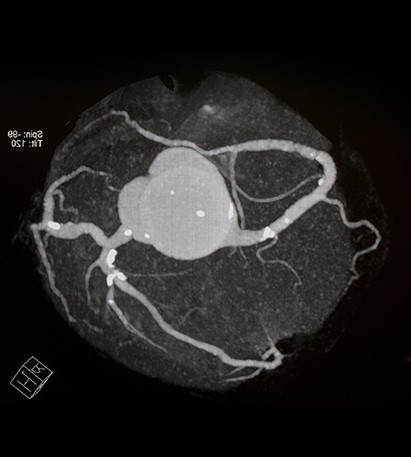
What does the calcium score show?
The examination measures the amount of calcium in the coronary arteries and provides a numerical value – a so-called calcium score. The higher the value, the greater the amount of calcified plaque in the vessels and the higher the risk of future cardiovascular disease.
- Score 0 – no detectable calcifications.
- Score 1–99 – small amount of calcification.
- Score 100–399 – moderate amount of calcification.
- Score 400 or higher – pronounced calcification and increased risk of coronary artery disease.
An elevated calcium score does not automatically mean that you have a serious narrowing of the coronary arteries, but it shows that there are signs of atherosclerosis. The result therefore always needs to be interpreted in relation to your age, your risk factors and your medical background.
After the examination, the images are reviewed by a specialist in radiology and the result is then assessed by a cardiologist. In the report, the calcium score is weighed against your medical history and any risk factors, such as blood lipids, blood pressure, diabetes or heredity.
In the case of higher values, the doctor may recommend preventive measures, such as lifestyle changes, follow-up or further cardiac examination if it is deemed medically justified
Can the examination detect coronary artery disease?
Computed tomography with calcium score can detect calcified atherosclerotic plaques in the coronary arteries. These changes occur when fat, cholesterol, calcium and inflammatory processes accumulate in the artery wall over time. By measuring the amount of calcium in the coronary arteries, the examination can show whether there are signs of atherosclerosis and provide an estimate of how widespread the calcified plaque burden is.
A calcium score of 0 means that no calcifications can be detected, which in most cases speaks strongly against significant calcified coronary artery disease. However, a normal result does not completely exclude the presence of soft, non-calcified plaques. The result can be used to identify people who may benefit from preventive treatment, such as lifestyle changes or blood lipid-lowering drugs.
It is important to understand that the examination does not show the degree of possible narrowing of the vessels (stenosis). If the examination shows more pronounced changes, or if symptoms are present, further cardiac examinations may be considered, such as CT coronary angiography or other cardiological tests.
When can a CT calcium score be relevant?
The examination is often used for preventive purposes to assess the risk of future cardiovascular disease. It can be particularly valuable when the individual risk is difficult to assess based on traditional risk factors.
- Elevated cholesterol or blood fats.
- High blood pressure.
- Diabetes or insulin resistance.
- Hereditary history of heart attack or coronary artery disease.
- Long-term smoking or previous smoking.
- Uncertain cardiovascular risk despite normal blood tests.
- Preventive heart screening in selected adults without acute symptoms.
What is the difference between calcium score and CT coronary angiography?
Calcium score only measures the amount of calcium in the coronary arteries and is mainly used to assess the long-term risk of cardiovascular disease. The examination does not require any contrast medium and is performed very quickly.
CT coronary angiography is a more advanced examination in which contrast medium is used to visualize the anatomy of the coronary arteries and any narrowing. It is therefore mainly used when there is suspicion of established coronary artery disease or when there are symptoms such as chest pain.
Order CT heart calcium score
The examination usually takes about 10–15 minutes and does not require a contrast injection. You lie still on a table that is slowly moved through a computerized tomography scanner, where advanced X-ray technology is used to take detailed images of the coronary arteries. The actual image capture only takes a few seconds.
Because the examination is based on computed tomography, it involves a small amount of X-ray radiation. However, the radiation dose is relatively low and corresponds approximately to the amount of natural background radiation that the body is normally exposed to over a few months. In modern medical imaging diagnostics, the lowest possible radiation dose is always used to ensure high image quality.
After the referral has been activated, you will be contacted by one of our doctors who will review your medical background and any symptoms you may have to ensure that the examination is suitable for you. The examination itself is performed at a radiology clinic and the images are reviewed by a specialist in radiology. The results are then compiled and you will receive a medical report from a cardiologist shortly after the examination.
Dialogue with a doctor is always included
When booking a CT heart coronary calcium score, a medical review with a doctor is always included. The purpose is to ensure a clear questioning, review your medical history and assess your individual risk factors for cardiovascular disease.
The medical review makes it possible to determine whether calcium score is the most appropriate examination for you, or whether another cardiac examination should be recommended in the first place. The assessment is an important part of the process and helps to ensure that the examination is as relevant, safe and accurate as possible.
When is CT heart calcium score not suitable?
Calcium score is primarily a preventive examination and is not used to investigate acute symptoms. If you have clear symptoms from the heart, such as chest pain, pressure on the chest, shortness of breath or suspected heart attack, you should always contact healthcare urgently.
If established coronary artery disease is suspected, CT coronary angiography or another cardiac examination may be more appropriate. Do not hesitate to contact us if you are unsure which examination is best suited.


