
Quick version
Leukopenia means that the amount of white blood cells in the blood is lower than normal, which is usually due to a decrease in the bacteria-fighting neutrophils (neutropenia). The condition rarely causes symptoms in itself, but is rather noticeable by the body finding it more difficult to handle infections – for example, through recurring fevers, mouth ulcers or prolonged throat infections. The causes vary from completely harmless biological variations and transient viral infections to drug side effects, B12/folate deficiency or more serious bone marrow diseases. A single slightly lowered value usually only requires follow-up, but if the decrease is severe, prolonged or combined with fever, prompt medical investigation is required as the risk of serious infections increases.
Leukopenia is often just a number on a blood test. You can feel completely normal, exercise, work and sleep normally – and still be told that your white blood cells are low. That is why the finding raises questions: is it a temporary abnormality, a side effect of medication or an early sign that the immune system or bone marrow needs to be investigated?
Leukopenia – why low white blood cells can be a warning sign
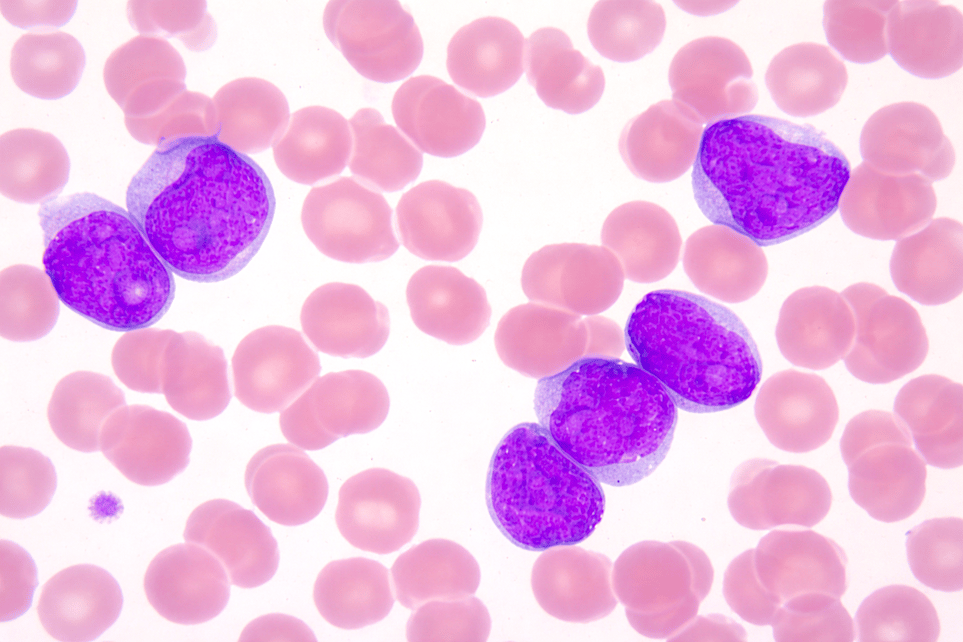
Leukopenia means that the number of white blood cells in the blood is lower than expected. White blood cells, also called leukocytes, are part of the body's defense against bacteria, viruses and other foreign substances. When the value drops, vulnerability to infections increases, but how great the risk is depends on the type of white blood cells that are low and how pronounced the decrease is.
In practice, leukopenia often refers to low neutrophil granulocytes, i.e. neutropenia. Neutrophils is the immune system's rapid first-line defense against bacterial infections in particular. In adults, a low total white blood cell count is often considered to be below approximately 3500–4000 cells per microliter, but reference ranges differ between laboratories and should always be interpreted together with other blood values and clinical symptoms.
What does leukopenia mean in practice?
A low white blood cell count is not a diagnosis in itself, but a laboratory finding that must be put into context. One person may have a mild, transient leukopenia associated with a viral infection, while another has a more persistent finding that requires further investigation of bone marrow, nutrition, medications or autoimmune disease.
The most useful value when assessing infection risk is often the absolute neutrophil count, ANC. Mild neutropenia is usually defined as 1.0–1.5 x 10^9/L, moderate as 0.5–1.0 x 10^9/L and severe as below 0.5 x 10^9/L. The lower the ANC, the greater the risk of serious infections, especially if the decrease is new or persists over time.
There are also normal biological variations. For example, the lower limit of neutrophils is on average slightly lower in people of African descent than in people of European descent, which means that a “low” value does not always mean disease. Therefore, one should avoid interpreting a single sample in isolation.
What symptoms can low white blood cells cause?
Leucopenia often does not cause its own clear symptoms. What is noticeable instead are the consequences: the body finds it more difficult to deal with infections. A person who usually recovers quickly from a throat infection may start to have recurring fevers, mouth sores, or infections that last longer than usual.
Common warning signs include:
- fever or chills
- sore throat
- mouth sores
- coughing or shortness of breath
- burning when urinating
- skin sores that become red, tender, or pus-filled
In severe neutropenia, infections can become serious quickly and sometimes cause less obvious local symptoms than expected. Fever in a person with known neutropenia should therefore be taken seriously. Febrile neutropenia is considered an emergency medical condition, especially in patients receiving chemotherapy or who have cancer.
Common causes of leukopenia
The causes of leukopenia are many, but they can be roughly divided into three groups: decreased production in the bone marrow, increased breakdown or consumption, and redistribution of cells in the body. In everyday life, medications, infections and deficiency states are common and often treatable explanations.
Common causes are:
- viral infections, such as influenza, COVID-19, hepatitis or HIV
- drugs, including cytostatics and certain other medications that affect the bone marrow
- vitamin deficiency, especially a deficiency of vitamin B12 or folate
- autoimmune diseases such as lupus or rheumatoid arthritis
- blood diseases or bone marrow diseases, such as leukemia or aplastic anemia
After a common viral infection, leukopenia can be transient and normalize as the body recovers. However, if the value continues to be low, if several blood values are affected at the same time or if the person has unexplained fever, weight loss or night sweats, you need to think more broadly. In this case, it may be a bone marrow disease or other conditions that require specialist assessment.
A specific example is the person who seeks help for fatigue and recurrent mouth ulcers and is found to have both low white blood cells and enlarged red blood cells. In this case, vitamin B12- or folate deficiency could be a possible explanation. Another example is the patient with joint pain and low white blood cells, where autoimmune disease needs to be considered.
When is leukopenia a warning sign that should be investigated?
A slightly lowered value on a single blood test does not have to be dangerous. But leukopenia should be taken more seriously when the finding is persistent, when the neutrophils are clearly low or when other blood cells are also affected, such as hemoglobin or platelets. The combination of several abnormal blood values may indicate that the problem is in the bone marrow or that the body lacks important building blocks for blood formation.
Medical recommendations state that moderate or severe, persistent neutropenia often warrants further investigation or referral to a hematologist, especially if it is below 1.0 x 10^9/L or if anemia or thrombocytopenia occurs at the same time. Recurrent infections, unexplained fever or general symptoms such as weight loss also reinforce the need for rapid assessment.
Seek medical attention promptly if you have known leukopenia or neutropenia and develop a fever. This is especially true if the temperature rises rapidly, if you also feel noticeably ill or if you are being treated for cancer. Fever in combination with severe neutropenia can develop into an acute condition in a short time.
How are low white blood cells investigated and treated?
The first step is usually a blood count with differential count, where you see which white blood cells are low. The test is often repeated, as temporary variations occur. The disease picture then determines which additional tests are needed, such as B12, folate, inflammation tests, virus tests or assessment of other blood cell lines. In some cases, a blood smear or bone marrow examination is needed.
Treatment is directed at the cause. If the leukopenia is drug-induced, the dose may need to be changed or the drug changed. If it is due to a vitamin deficiency, the deficiency is treated. In the case of infection, the infection is treated, and in the case of cancer treatment or severe chronic neutropenia, growth factors such as G-CSF can be used to stimulate the production of neutrophils.
While waiting for an investigation, some people may need to be extra vigilant for symptoms of infection. Hand hygiene, good oral care and rapid contact with healthcare in the event of a fever are simple but important measures. In mild leukopenia without infections, however, only control tests and follow-up are sometimes needed, not treatment.
A blood test does not provide the full answer, but it can ask the right question at the right time. In the case of leukopenia, this question can be crucial: is there an explanation that can be influenced, or is a faster medical assessment needed before infections or other diseases have time to develop?