Quick version
Urinating several times a night is called nocturia and is usually due to either the body producing too much urine at night (nocturnal polyuria) or the bladder having difficulty storing urine. The underlying causes can be local problems such as an overactive bladder or an enlarged prostate, but also general conditions such as sleep apnea, diabetes, heart failure or fluid retention in the legs. The investigation best begins with a bladder diary (micturition list) to measure the volumes, supplemented with blood and urine samples. The treatment is completely tailored to the underlying cause.
Waking up once to pee doesn't have to be a medical condition. But if you have to pee several times a night and your sleep starts to be affected, there is often an explanation that can be investigated. Sometimes it's about the bladder. Sometimes the body simply produces too much urine at night. And sometimes nighttime wetting is a sign of something completely different than the urinary tract.
Why do I have to pee several times a night?
Using several times a night is called nocturia. It's like waking up during your main sleep period to pee, and the problem becomes particularly relevant when it disrupts sleep, daytime function and quality of life. In adults, this is common, especially with increasing age, but it should not be automatically dismissed as "normal".
The decisive factor is not just how many toilet visits you make, but why it happens. Medically, the causes are usually divided into a few main groups: the bladder stores too little, the body produces too much urine over the course of the day, the body produces too much urine at night, or sleep is disturbed so that you wake up and then take the opportunity to urinate. Often there is more than one mechanism at the same time.
When nighttime urination is due to the body producing more urine at night
A very common cause is nocturnal polyuria, which means that a disproportionately large part of the 24-hour urine is produced during the night. This is one of the central clues when investigating nocturia. In younger people, it is considered too high a nighttime production if the nighttime urine exceeds 20 percent of the 24-hour amount, and in people over 65 years of age, the limit of 33 percent is often used.
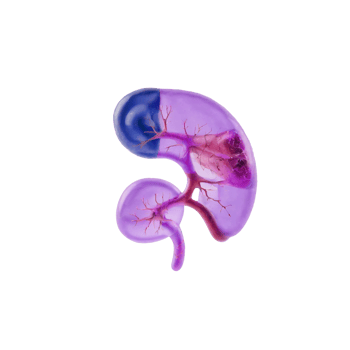
This can be noticed as you urinate large volumes every time you get up. Typical situations are drinking too late at night, taking diuretics too late in the day or collecting fluid in the legs during the day which then goes back into the bloodstream when you lie down. This means that the kidneys have to filter more during the night. Cardiovascular disease, kidney disease and hormonal disorders can also affect fluid balance and increase nocturnal urine production.
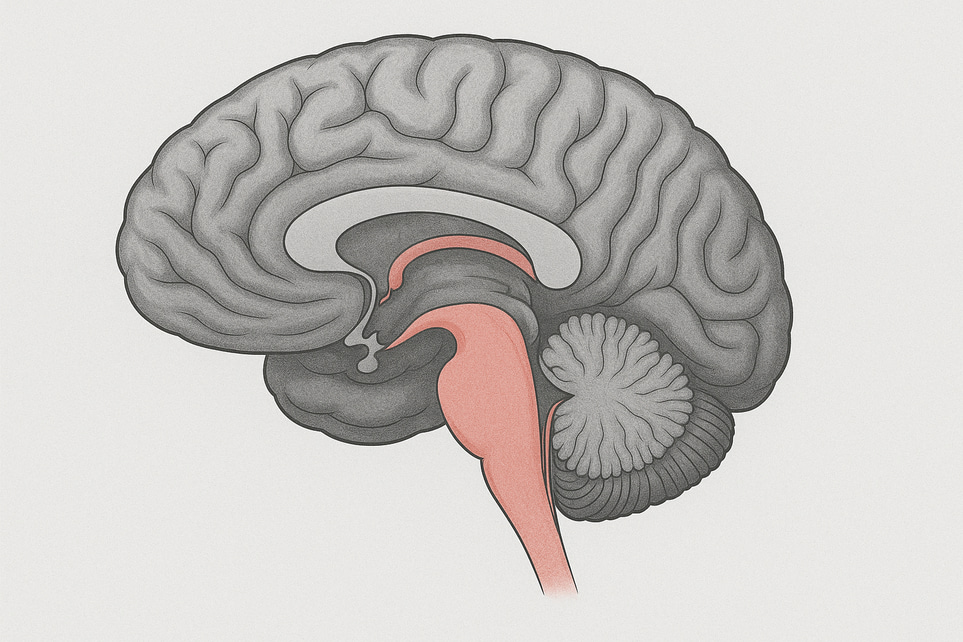
Also the hormone vasopressin, the body's "antidiuretic" signal, which normally helps the kidneys save water at night. If this circadian rhythm works worse, the amount of urine at night can increase. This is one of the explanations why nighttime urination becomes more common over the years.
When the problem is in the bladder or prostate
Not everyone who urinates frequently at night produces much urine. Sometimes the amounts are small, but the bladder still signals that it needs to be emptied. The cause may be an overactive bladder, irritation of the urinary tract, recurrent urinary tract infections, bladder stones or the bladder not emptying properly. Overactive bladder also usually causes frequent urges during the day, sometimes with leakage and a feeling of having to go to the toilet.
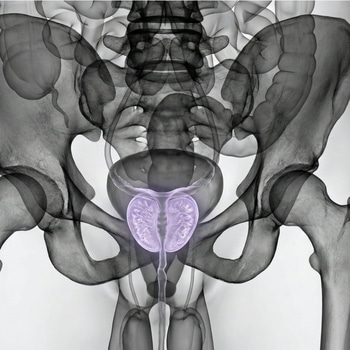
In men, prostate enlargement is a common explanation. An enlarged prostate can press on the urethra and cause the stream to become weaker, the bladder not emptying completely and the need to get up at night increases. In this case, other symptoms are often present at the same time, such as difficulty starting, post-drip or the feeling that the bladder has not been emptied.
In women, the same symptoms can instead be associated with overactive bladder, prolapse, changes in the mucous membrane after menopause or pelvic floor disorders. The important thing is that nighttime urination is not a diagnosis in itself, but a symptom that needs to be put into a larger context.
Common diseases that can cause nighttime urination without the fault actually being in the urinary tract
Here the cause is sometimes missed. Nocturia is easily attributed to the bladder or prostate, but several medical conditions can be behind it. Diabetes mellitus can cause high blood sugar, which draws fluid into the urine and makes you urinate more. Then you often also see increased thirst, fatigue, dry mouth or weight loss.
Another important cause is sleep apnea. Nocturia is one of the common symptoms of obstructive sleep apnea, and sleep disorders are a clear cause of both nocturnal polyuria and nocturia. Typical clues include loud snoring, breathing pauses, morning headaches and pronounced daytime fatigue. Treatment of sleep apnea can reduce nighttime urination in many people.
More unusual, but important to know, is diabetes insipidus. It is not the same as diabetes type 1 or 2, but a disorder in the body's water regulation that causes large amounts of urine and strong thirst. It is described as symptoms with large urine volumes, thirst and increased fluid intake.
Kidney disease, heart failure, swollen legs, elevated calcium and certain neurological diseases can also contribute. In addition, medications can play a role, especially diuretics, but also caffeine, alcohol and sometimes medications that affect sleep or bladder function.
This is how healthcare professionals usually investigate why you have to urinate several times a night
The investigation often starts more simply than many people think. A careful medical history is central: how often you get up, how much you urinate, how much you drink, whether you are thirsty, whether you snore, what medications you take and whether you have symptoms during the day. Several guidelines emphasize that a micturition list or bladder diary is one of the most useful tools. There you write down when you drink, when you urinate and approximately how large the volumes are over a couple of days.
The volume is often the key. If you get up three times but urinate small amounts each time, it points more to the bladder. If, on the other hand, you empty large amounts of urine at night, it is more likely to be nocturnal polyuria or a general fluid imbalance. Therefore, the bladder diary can provide more information than a single blood test.
In the next step, healthcare may need to supplement with urine and blood tests. If an underlying disease is suspected, kidney function, blood sugar and sometimes other tests such as electrolytes, calcium, HbA1c, thyroid tests or urine and serum osmolality may be assessed, depending on the symptom picture. In men, prostate assessment may be relevant, and in the case of certain alarm symptoms, healthcare needs to think more broadly. Visible blood in the urine, recurrent infections, urinary retention or suspected kidney involvement are examples of situations where further investigation is needed. It is also recommended that men with lower urinary tract symptoms, including nocturia, be assessed for complications and, in some cases, PSA and rectal examination.
What can help with nighttime urination?
Treatment depends entirely on the cause. It makes a big difference whether the problem is due to evening habits, overactive bladder, prostate enlargement, sleep apnea or diabetes. Therefore, the same advice does not work for everyone.
If you produce too much urine at night, the following can sometimes help:
- reduce large amounts of drink late at night
- be careful with alcohol and a lot of caffeine in the evening
- review the timing of diuretic medications together with your healthcare provider
- elevate your legs for a while in the afternoon or early evening if your lower legs swell
- treat underlying conditions such as sleep apnea, heart failure or poorly controlled diabetes
If the bladder is overactive, bladder training, pelvic floor support and medication can sometimes help. For prostate enlargement, there are both medications and, in some cases, surgical treatments. If the problems are caused by an infection, stone or other disease, the treatment is directed there instead.
In some cases, desmopressin is used, a medication that reduces urine production at night. It can be effective in documented nocturnal polyuria, but should be used selectively because it can cause too low a sodium level in the blood, especially in the elderly and in certain risk factors. Therefore, such treatment requires medical assessment and sometimes testing.
When should you seek medical attention or test your values?
You should seek medical attention if the nighttime urination is new, increases rapidly or comes along with other symptoms. Examples include burning, fever, blood in the urine, severe thirst, unexplained weight loss, swollen legs, shortness of breath, snoring with daytime fatigue or difficulty emptying the bladder. Such signs may point to infection, diabetes, kidney damage, cardiovascular problems, sleep apnea or urinary tract obstruction.
Even without alarm symptoms, it is reasonable to proceed if you regularly wake up two or more times per night and feel tired, unfocused or limited during the day. The sleep disorder itself is a health burden and increases the risk of falls in the elderly, among other things. A simple combination of symptom mapping and relevant tests can often provide clear guidance on the next step.
In practice, nighttime urination is often one of the body's earliest "leaking" symptoms: not dramatic enough to feel urgent, but disturbing enough to reveal that something in sleep, blood sugar, fluid balance or urinary tract is not working optimally. The earlier you catch the pattern, the greater the chance that the action will be simple.
Do you want to get better information about what may be behind your problems? Order a health check at the Test Clinic and see what your values for, for example, blood sugar, kidney function and other relevant markers look like.