Quick version
Atrial fibrillation occurs when signals in the heart's atria become chaotic, often driven by tissue changes over time. While factors such as age, heredity and congenital conditions cannot be changed, fibrillation is often due to cardiometabolic health and lifestyle. High blood pressure, obesity, sleep apnea, alcohol and low physical activity are important modifiable risk factors. By treating underlying conditions and adjusting daily habits, you can lower your overall risk, relieve symptoms and improve treatment outcomes – whether you want to prevent the disease or have already been diagnosed.
Your heart may beat faster when you walk up a hill, get angry or drink too much coffee. But when your pulse becomes irregular for no apparent reason, another question often arises: is it just stress, or is there something that actually increases the risk of atrial fibrillation? For many, the thinking begins long before the diagnosis is made.
Risk factors and causes of atrial fibrillation – what can you do about it?
Atrial fibrillation is the most common persistent heart rhythm disorder in adults. The risk increases with age, but that does not mean that the condition just “comes with age”. Often there is a combination of heredity, cardiovascular disease and habits or medical conditions that can be influenced.
When the heart's electrical system loses its rhythm
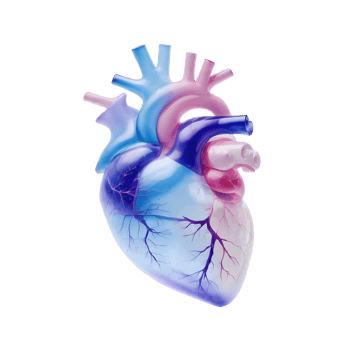
Atrial fibrillation means that the heart's atria, the two upper chambers of the heart, are no longer activated in a smooth and coordinated rhythm. Instead, the electrical signals travel quickly and disorderly, which often causes the pulse to become both irregular and sometimes rapid. It can cause palpitations, shortness of breath, decreased energy or dizziness, but some people do not notice any symptoms at all.
The most common underlying mechanism is that the atria gradually change.High blood pressure, obesity, sleep apnea, diabetes and other cardiovascular diseases can, over time, make the heart tissue stiffer, more stretched and more prone to conducting electrical impulses incorrectly. Therefore, atrial fibrillation is now seen not only as a rhythm problem, but also as a condition that is closely related to cardiometabolic health.
Sometimes the fibrillation is triggered more acutely. Infections, surgeries, high alcohol consumption, an overactive thyroid gland and certain medications or drugs with a stimulating effect can trigger an attack, especially in those who already have a vulnerability in the heart.
Risk factors for atrial fibrillation that you cannot influence
Some risk factors cannot be changed, but they help explain why one person gets atrial fibrillation and another does not. The most obvious is age. The risk gradually increases as you get older, since both the structure of the heart and the rest of the body's load change over time.
Heredity also plays a role. If close relatives have had atrial fibrillation, you are more likely to develop it yourself. Congenital heart defects, valvular disease and other structural heart disease also increase the risk, as does previous heart surgery or heart attack.
This does not mean that the development is predetermined. On the contrary, modifiable factors become especially important if you already have a congenital or age-related risk. Many people want to know: “If my father had atrial fibrillation, can I reduce my risk myself?” The answer is often yes, especially by working on blood pressure, weight, sleep and drinking habits.
Risk factors for atrial fibrillation that you can actually influence
The most central modifiable condition is high blood pressure. When blood pressure is too high for a long time, the heart has to work against greater resistance. The atria can then stretch and the electrical stability deteriorates, making atrial fibrillation more likely to occur.
Overweight and obesity are also clearly linked to atrial fibrillation. It is not just about the number of kilograms, but about how excess weight affects blood pressure, inflammation, sleep, insulin resistance and the structure of the heart. Studies summarized in guidelines and patient materials show that weight loss can reduce the risk and also improve the course of people who already have fibrillation.
Other important modifiable factors are:
- sleep apnea
- diabetes
- low physical activity
- smoking
- high alcohol consumption
- chronic kidney disease and other long-term comorbidities that are not always noticed early
Sleep apnea deserves special attention. Many people seek treatment for fatigue, snoring or morning headaches without connecting it to the heart. Repeated breathing pauses during the night stress the body, increase blood pressure and strain the heart's atria, which strengthens the connection to atrial fibrillation.
Alcohol is another common patient issue. Long-term abuse is not always required for alcohol to play a role. For some, periods of high consumption, such as weekends with several drinks on repeated occasions, are enough to increase the risk or trigger symptoms. Guidelines and patient information therefore recommend reducing or avoiding alcohol if you have atrial fibrillation or are at high risk for it.
Hidden triggers – when the heart reacts to something else in the body
Atrial fibrillation can sometimes be a sign that something else in the body needs to be discovered. An overactive thyroid, known as hyperthyroidism, can increase the heart rate and make the heart's conduction system more irritable. Therefore, thyroid tests are often part of the investigation when fibrillation is newly discovered.
Lung disease, pneumonia, viral infections and recovery from surgery can also trigger atrial fibrillation. A person who suddenly experiences palpitations in connection with a fever or after a surgical procedure may therefore have suffered from a temporary trigger, but it still needs to be taken seriously. In some cases, the flicker is transient, in others it is the first sign of a longer-term vulnerability.
Certain medications and substances can also contribute. Examples include stimulants, some over-the-counter cold medicines and illegal drugs such as amphetamines or cocaine. If palpitations occur in connection with such preparations, you should tell your healthcare provider, as this affects both assessment and treatment.
Small changes that give the heart peace and quiet
The most effective thing is rarely a single measure, without reducing the overall load on the heart. For someone, it may start with discovering high blood pressure that has not caused any symptoms. For another, it is about understanding that snoring, abdominal obesity and daytime fatigue may be a combination that should be investigated.
The following measures have a clear significance for risk reduction and course:
- treat high blood pressure
- lose weight if overweight
- be physically active regularly
- reduce or abstain from alcohol
- quit smoking
- investigate and treat sleep apnea
- treat diabetes, thyroid disorders and other underlying diseases
This does not mean that you have to do everything at once. In everyday life, the results are usually best when you start with what can actually be changed now. For example, if you notice that your pulse often races after alcohol, that your blood pressure is high or that you snore heavily, you have already found a possible way to prevent it.
If you already have atrial fibrillation, these measures are still relevant. Treatment is not just about medication, cardioversion or ablation, but also about optimizing risk factors. It can reduce symptoms, improve treatment results and in some cases reduce how often the fibrillation returns.
Warning signs you should never ignore
You should seek medical attention if you experience a new irregular pulse, pronounced palpitations, dizziness, chest pain, shortness of breath or decreased energy without a clear explanation. The same applies if a heart rate monitor or blood pressure monitor repeatedly shows an irregular rhythm. Atrial fibrillation is not only a symptom issue, but can also increase the risk of blood clots, stroke and heart failure.
It is also reasonable to check your risk markers even if you do not have clear symptoms, especially if you have a family history of high blood pressure, obesity, diabetes, snoring or high alcohol consumption. Blood tests cannot diagnose atrial fibrillation, but they can provide important clues about factors that contribute to risk, such as blood sugar, blood lipids, kidney function and thyroid levels.
The interesting thing about atrial fibrillation is that the condition often develops gradually long before the first obvious episode. Therefore, a simple health check can sometimes be the starting point for discovering the strain that the heart is already trying to compensate for.