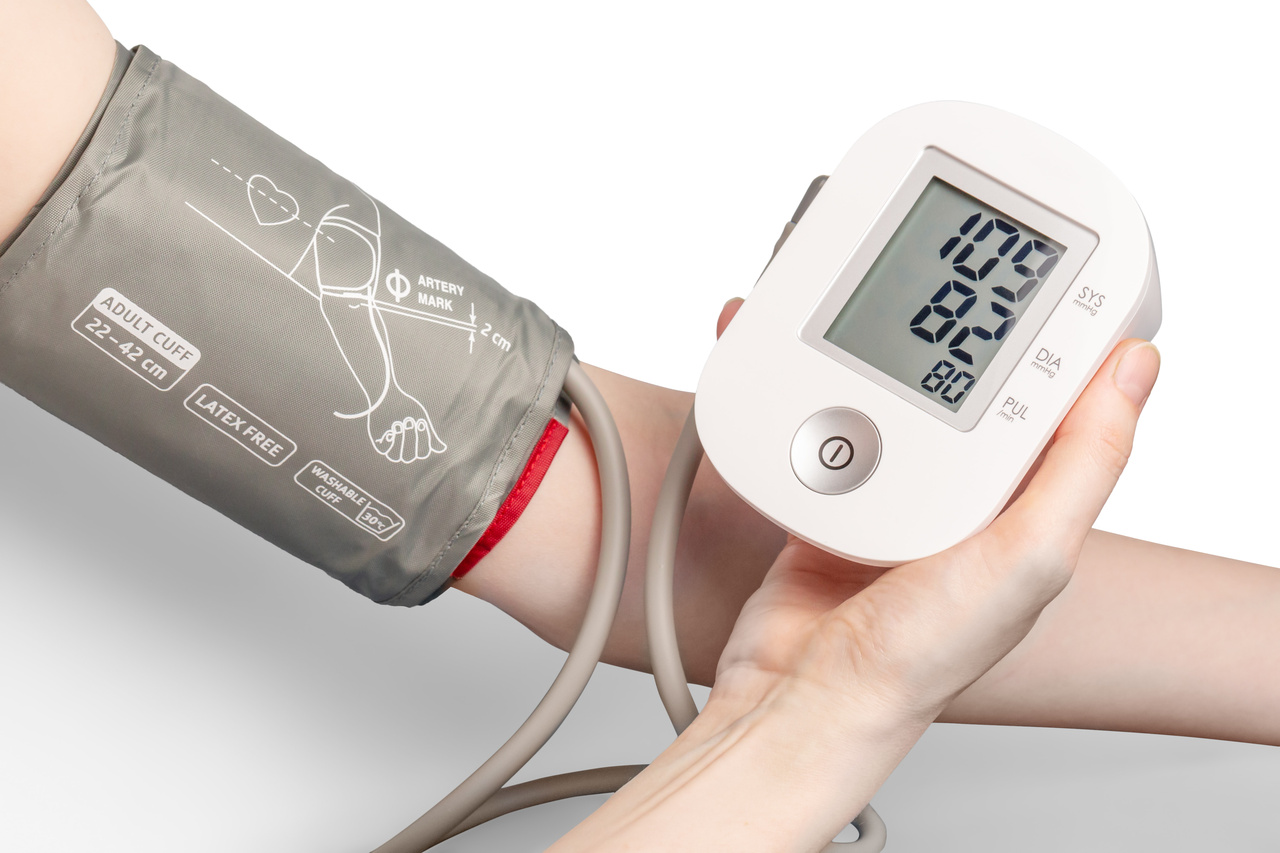
High blood pressure - Hypertension

High blood pressure - Hypertension

A temporary increase in blood pressure is a natural response that can occur during physical exertion, stress, or fear. It is an adaptive mechanism in the body. However, if blood pressure remains elevated over time, it can be harmful to health.

Quick version

Hypertension is a condition in which the pressure in the body's arteries is higher than normal, defined as a blood pressure of 140/90 mmHg or higher on repeated measurements in a doctor's office (the limit for home measurements is 135/85 mmHg). Blood pressure is the force that the blood exerts against the walls of the arteries when the heart pumps. Untreated high blood pressure is one of the main risk factors for serious cardiovascular diseases, such as stroke and heart attack.

Hypertension is often called the "silent killer" because the condition can persist for many years without causing any noticeable symptoms. Despite the lack of warning signs, high blood pressure causes gradual damage to blood vessels and organs. Regular check-ups are therefore the only way to identify and treat the condition early before permanent damage occurs.

Symptoms of hypertension

Most people with high blood pressure do not notice anything. However, at very high levels or during a rapid rise, the following symptoms may occur:

  • Headache: Often throbbing, especially in the morning or in the back of the head.
  • Fatigue and dizziness: A feeling of imbalance or general lack of energy.
  • Shortness of breath: Especially during physical exertion when the heart has to work harder.
  • Nosebleeds and palpitations: Can occur with greatly elevated values.
  • Visual disturbances: In severe hypertension, small vessels in the eyes can be affected, causing blurred vision.

Causes of hypertension

A distinction is usually made between primary hypertension, which occurs without a single identifiable cause, and secondary hypertension, which is a direct consequence of another underlying disease:

  • Lifestyle factors: High intake of salt, liquorice, overweight, stress, smoking and physical inactivity.
  • Genetics: Heredity plays a major role in the risk of developing high blood pressure.
  • Impaired kidney function: Kidney diseases can cause the body to retain too much fluid and salt, which raises blood pressure.
  • Hormonal disorders: For example, Cushing's syndrome or thyroid problems.
  • Medications: Some birth control pills, anti-inflammatory medications and nasal sprays can raise blood pressure.

What happens in the body with hypertension?

In hypertension, the heart is forced to work harder to pump blood, which leads to the heart muscle thickening and becoming less elastic. At the same time, the blood vessel walls (endothelium) are damaged, which accelerates atherosclerosis (atherosclerosis). This increases the risk of blood vessels bursting or becoming blocked, which in turn can lead to organ damage, especially in the heart, brain, kidneys and eyes.

Who is affected by hypertension?

The risk increases with age as the vessels naturally become stiffer. People with diabetes, kidney disease or those with a family history of cardiovascular disease are at higher risk. People with high stress levels or those who live with long-term sleep apnea are also particularly vulnerable to it.

Diagnosing hypertension

Because blood pressure varies throughout the day, several measurements are usually required for a diagnosis:

  • Blood pressure measurement: It is done at rest with a cuff on the upper arm.
  • 24-hour measurement: A portable meter records the pressure over a whole day to see the average values.
  • Blood tests: blood fats, blood suger and renal markers are often measured to assess the overall risk picture.
  • ECG: Is done to see if the heart has been affected or enlarged by the high pressure.

Treatment of hypertension

The goal of treatment is primarily to lower blood pressure to 120–129/70–79 mmHg for people who are 70 years of age or younger. For people over 70 years of age, the treatment goal is 130–139/70–79 mmHg.

  • Lifestyle changes: Weight loss, reduced salt intake and increased exercise are often the first choice for mild hypertension.
  • Medications: There are several effective types of medications that lower blood pressure in different ways, for example by dilating blood vessels or helping the heart to work more calmly.
  • Stress management: Methods for reducing stress levels can have a direct lowering effect on pressure.

Lifestyle advice to prevent hypertension

  • Reduce salt: Salt binds fluid in the body and directly raises pressure.
  • Exercise regularly: Even 30 minutes of movement a day makes the vessels more elastic.
  • Moderation with alcohol and Tobacco: Nicotine constricts blood vessels immediately, which raises blood pressure. Keep track of your blood pressure: Buy your own blood pressure monitor to monitor your blood pressure at home in peace and quiet.



Written by: The team at Testmottagningen.se

Questions and answers

High blood pressure rarely shows obvious symptoms and is usually discovered during medical visits or routine check-ups.

Primary hypertension is the most common form, resulting from genetics and lifestyle. Secondary hypertension is less common and is caused by an underlying condition, such as kidney disease or hormonal imbalances.

Long-term high blood pressure can lead to heart failure, arrhythmias, kidney damage, vision problems, and poor blood circulation (claudication).

By implementing lifestyle changes and, if necessary, using medication, you can significantly reduce the risk of serious secondary diseases.

Related tests and health checks


CBC Test

CBC Test

Complete blood count and B cells test
  • Health check that measures your blood status.
  • Analysis of blood cells that affect your general health.
  • Gives you the conditions to optimize your health.
  • Indication of possible diseases.

149 kr

Men’s Health Check

Men’s Health Check

Comprehensive Health Check for Men
Information

Biological age

This health check includes an analysis of your biological age. Biological age is a measure of how your body ages at the cellular level compared to your chronological age. Comparing your blood counts with advanced algorithms will give you a deeper insight into your overall health status and how your lifestyle affects your biological aging. Based on the PhenoAge method. https://pmc.ncbi.nlm.nih.gov/articles/PMC5940111/

Medical comment included

With us, you will always receive a doctor’s opinion from a licensed physician when you order a medical check-up that includes a medical opinion. The doctor’s opinion includes an overall assessment of your results from laboratory analysis. The opinion is individual and may vary depending on the specific tests your medical check-up includes.

What can I expect in the medical report?

The medical opinion will summarize the results of your test results to give you an assessment of your health including any abnormalities outside the reference ranges. In case of abnormalities or need, your doctor may also contact you for a free conversation to explain and talk about your results. Remember that a health check always includes specific test results based on your health and your personal circumstances. Values outside the reference range should therefore always be discussed with a doctor before any decisions regarding possible treatment are made.

What does the doctor look at during a health check?

When assessing a blood test or health check, your doctor will look at several different parameters to evaluate your health and identify any abnormalities. Below are some common aspects your doctor may examine:

Blood counts: Your doctor will check red, white and platelet counts to identify any signs of anaemia, infection or bleeding.

Nutrients and biochemical markers: Includes, for example, analysis and monitoring of blood sugar (glucose) levels, electrolyte levels (e.g. sodium, potassium), liver function tests (e.g. liver enzymes), kidney function tests (e.g. creatinine, urea) and lipid profile (e.g. cholesterol, triglycerides). The results of the tests give your doctor a better idea of your organ function, blood sugar level, cholesterol conditions and other important health aspects.

Inflammatory markers: Your doctor may measure health markers such as C-reactive protein (CRP) or red blood cell decrease rate (SR) to evaluate inflammatory conditions or confirm an active infection.

Hormone levels: Your doctor may monitor your hormone levels to assess hormonal imbalances or diseases, such as thyroid hormones (TSH, T3, T4), sex hormones or other specific hormones such as testosterone levels.

Specific tests: Depending on your goal of your health check or medical history, your doctor may look into specific tests to investigate conditions or diseases, such as diabetes, vitamin deficiency or autoimmune diseases.

In conclusion, the doctor weighs all test results based on the health check to assess your overall health, detect any abnormalities and identify possible underlying medical conditions.

What happens if I have abnormal test results?

If your blood count is abnormal, this will be addressed in your personal medical opinion. Depending on the nature and extent of the abnormality, your doctor may also contact you directly through the test result service for further guidance. Various measures and advice will be provided based on the specific abnormalities observed along with your medical history.

  • Comprehensive health check designed for men.
  • Analysis of 48 markers, including testosterone, blood lipids, blood sugar and hs-CRP.
  • Helps you detect abnormal blood values ​​and risk factors.
  • Biological age and doctor's opinion included.

1 695 kr

Standard

Standard

Ordinary health check
Information

Biological age

This health check includes an analysis of your biological age. Biological age is a measure of how your body ages at the cellular level compared to your chronological age. Comparing your blood counts with advanced algorithms will give you a deeper insight into your overall health status and how your lifestyle affects your biological aging. Based on the PhenoAge method. https://pmc.ncbi.nlm.nih.gov/articles/PMC5940111/

Medical comment included

With us, you will always receive a doctor’s opinion from a licensed physician when you order a medical check-up that includes a medical opinion. The doctor’s opinion includes an overall assessment of your results from laboratory analysis. The opinion is individual and may vary depending on the specific tests your medical check-up includes.

What can I expect in the medical report?

The medical opinion will summarize the results of your test results to give you an assessment of your health including any abnormalities outside the reference ranges. In case of abnormalities or need, your doctor may also contact you for a free conversation to explain and talk about your results. Remember that a health check always includes specific test results based on your health and your personal circumstances. Values outside the reference range should therefore always be discussed with a doctor before any decisions regarding possible treatment are made.

What does the doctor look at during a health check?

When assessing a blood test or health check, your doctor will look at several different parameters to evaluate your health and identify any abnormalities. Below are some common aspects your doctor may examine:

Blood counts: Your doctor will check red, white and platelet counts to identify any signs of anaemia, infection or bleeding.

Nutrients and biochemical markers: Includes, for example, analysis and monitoring of blood sugar (glucose) levels, electrolyte levels (e.g. sodium, potassium), liver function tests (e.g. liver enzymes), kidney function tests (e.g. creatinine, urea) and lipid profile (e.g. cholesterol, triglycerides). The results of the tests give your doctor a better idea of your organ function, blood sugar level, cholesterol conditions and other important health aspects.

Inflammatory markers: Your doctor may measure health markers such as C-reactive protein (CRP) or red blood cell decrease rate (SR) to evaluate inflammatory conditions or confirm an active infection.

Hormone levels: Your doctor may monitor your hormone levels to assess hormonal imbalances or diseases, such as thyroid hormones (TSH, T3, T4), sex hormones or other specific hormones such as testosterone levels.

Specific tests: Depending on your goal of your health check or medical history, your doctor may look into specific tests to investigate conditions or diseases, such as diabetes, vitamin deficiency or autoimmune diseases.

In conclusion, the doctor weighs all test results based on the health check to assess your overall health, detect any abnormalities and identify possible underlying medical conditions.

What happens if I have abnormal test results?

If your blood count is abnormal, this will be addressed in your personal medical opinion. Depending on the nature and extent of the abnormality, your doctor may also contact you directly through the test result service for further guidance. Various measures and advice will be provided based on the specific abnormalities observed along with your medical history.

  • Analysis of markers that affect the liver and kidneys.
  • Analysis of markers that affect the heart and blood vessels.
  • Control of the risk of possible diabetes.
  • < li>Identification of possible thyroid disorder.

995 kr

Women’s Health Check

Women’s Health Check

Women’s Health Check Including Hormones
Information

Biological age

This health check includes an analysis of your biological age. Biological age is a measure of how your body ages at the cellular level compared to your chronological age. Comparing your blood counts with advanced algorithms will give you a deeper insight into your overall health status and how your lifestyle affects your biological aging. Based on the PhenoAge method. https://pmc.ncbi.nlm.nih.gov/articles/PMC5940111/

Medical comment included

With us, you will always receive a doctor’s opinion from a licensed physician when you order a medical check-up that includes a medical opinion. The doctor’s opinion includes an overall assessment of your results from laboratory analysis. The opinion is individual and may vary depending on the specific tests your medical check-up includes.

What can I expect in the medical report?

The medical opinion will summarize the results of your test results to give you an assessment of your health including any abnormalities outside the reference ranges. In case of abnormalities or need, your doctor may also contact you for a free conversation to explain and talk about your results. Remember that a health check always includes specific test results based on your health and your personal circumstances. Values outside the reference range should therefore always be discussed with a doctor before any decisions regarding possible treatment are made.

What does the doctor look at during a health check?

When assessing a blood test or health check, your doctor will look at several different parameters to evaluate your health and identify any abnormalities. Below are some common aspects your doctor may examine:

Blood counts: Your doctor will check red, white and platelet counts to identify any signs of anaemia, infection or bleeding.

Nutrients and biochemical markers: Includes, for example, analysis and monitoring of blood sugar (glucose) levels, electrolyte levels (e.g. sodium, potassium), liver function tests (e.g. liver enzymes), kidney function tests (e.g. creatinine, urea) and lipid profile (e.g. cholesterol, triglycerides). The results of the tests give your doctor a better idea of your organ function, blood sugar level, cholesterol conditions and other important health aspects.

Inflammatory markers: Your doctor may measure health markers such as C-reactive protein (CRP) or red blood cell decrease rate (SR) to evaluate inflammatory conditions or confirm an active infection.

Hormone levels: Your doctor may monitor your hormone levels to assess hormonal imbalances or diseases, such as thyroid hormones (TSH, T3, T4), sex hormones or other specific hormones such as testosterone levels.

Specific tests: Depending on your goal of your health check or medical history, your doctor may look into specific tests to investigate conditions or diseases, such as diabetes, vitamin deficiency or autoimmune diseases.

In conclusion, the doctor weighs all test results based on the health check to assess your overall health, detect any abnormalities and identify possible underlying medical conditions.

What happens if I have abnormal test results?

If your blood count is abnormal, this will be addressed in your personal medical opinion. Depending on the nature and extent of the abnormality, your doctor may also contact you directly through the test result service for further guidance. Various measures and advice will be provided based on the specific abnormalities observed along with your medical history.

  • Comprehensive health check designed for women.
  • Analysis of 51 biomarkers, including female hormones, iron status and thyroid function.
  • Helps identify abnormal blood test results and potential risk factors.
  • Biological age assessment and a doctor’s report are included.

1 695 kr


  • Monitor your blood pressure.
  • Identify high blood pressure (Hypertension).
  • Identify low blood pressure (Hypotonia)

129 kr

Other symptoms