Quick version
Adenomyosis is a benign condition in which tissue similar to the lining of the uterus grows into the muscular wall of the uterus. This is a condition that can cause heavy periods, severe menstrual cramps, and pressure or pain in the pelvis. With the right investigation, it is often possible to find treatment that relieves the symptoms and improves everyday life.
Maybe you've gotten used to always having extra protection in your bag, canceling your workouts during your period, or feeling completely drained after every period. Then it's reasonable to ask yourself if it's really "just regular period pain."
What is adenomyosis?
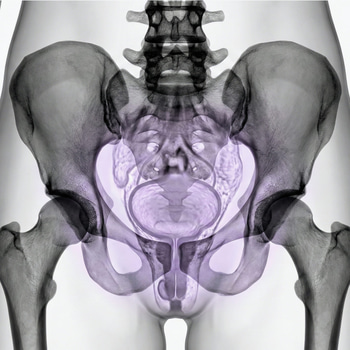
Adenomyosis is a benign gynecological condition in which tissue similar to the endometrium is found inside the muscular wall of the uterus instead of just inside the uterus. It can cause the uterus to become enlarged, more tender, and more likely to contract painfully during your period. The diagnosis is now usually made with a vaginal ultrasound, and sometimes with an MRI, rather than only after surgery as in the past.</p>
<p>Adenomyosis is not the same as endometriosis although the conditions can be similar and sometimes occur at the same time. The difference is that with endometriosis, endometrial-like tissue is found outside the uterus, while adenomyosis is located in the uterine muscle itself. It is important to know because both symptoms, investigation and treatment can look different in the different conditions.
Some people have adenomyosis without noticing it at all. Others experience clear problems that affect work, sleep, sex life and energy for large parts of the month.
Adenomyosis symptoms - how does it feel in everyday life?
The most common symptoms of adenomyosis are heavy menstruation and menstrual pain, these problems can become more pronounced over the years. The pain is often deep in the lower abdomen, sometimes with a feeling of pressure in the pelvis or pain that radiates to the back and thighs.
The heavy bleeding can be noticed by needing to change pads or tampons frequently, getting up at night to change protection, or having large lumps in your period. From a medical point of view, it is considered heavy bleeding if the period lasts more than seven days or clearly affects everyday life.
Common symptoms of adenomyosis are, for example:
- heavy or prolonged menstruation
- pronounced menstrual cramps
- pressure or tenderness in the lower abdomen
- pain during intercourse in some people
- fatigue, dizziness or shortness of breath if heavy bleeding has led to iron deficiency or anemia
The symptoms can often be misinterpreted as "just hormonal", stress or that menstruation has changed after pregnancy or with increasing age. This is precisely why many people who are affected seek care late.
Why do people get adenomyosis?
The exact cause has not yet been clarified. Research suggests that several mechanisms interact, including changes in the boundary zone between the uterine lining and the muscle wall, repeated tissue remodeling in connection with menstrual cycles, and hormonal influences, especially estrogen. Adenomyosis is more common in people of childbearing age and has historically often been discovered in those who have given birth, but better imaging diagnostics have shown that the condition can also be found in younger people. Possible contributing factors to why some people are affected have been discussed, such as previous pregnancies or uterine interventions, such as cesarean sections or other surgeries, but they do not explain all cases. There is also a connection between adenomyosis and other gynecological conditions, especially endometriosis and fibroids. If you have both a lot of pain and very heavy periods, the doctor may therefore need to investigate several possible causes at the same time.
How is adenomyosis diagnosed?
During an examination, you will be asked to tell us about your situation, how much you bleed, how long the pain lasts, whether it has gotten worse over time, and whether you are trying to get pregnant, which will affect which examinations are most relevant.
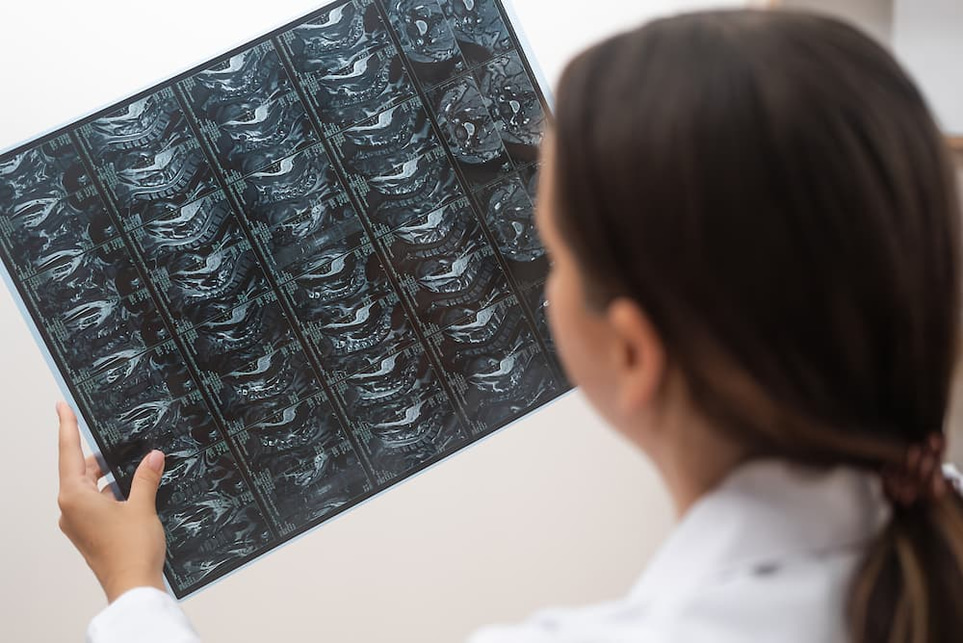
If adenomyosis is suspected, vaginal ultrasound is the first-line method in many guidelines, especially if you have heavy bleeding at the same time as you have menstrual cramps or if the uterus feels enlarged and tender on examination. Magnetic resonance imaging of the pelvis can be used when ultrasound is not sufficient or is not suitable. A regular uterine mucosal sample, however, does not confirm adenomyosis, since the change is in the muscle wall and not in the mucosa itself.
In practice, the investigation may also need to include blood tests because heavy menstruation can cause iron deficiency and in some cases anemia, which can explain symptoms such as fatigue, palpitations, headaches or poorer fitness. Therefore, blood counts and sometimes ferritin are often relevant to check in cases of prolonged bleeding problems.
A larger overall gynecological assessment is carried out during the investigation, in order to conclude that adenomyosis is the cause, other causes of bleeding and pain also need to be ruled out. Myoma, endometriosis, polyps, hormonal disorders, pregnancy-related conditions or in some cases cell changes and cancer are other conditions and diseases that are ruled out.
Treatment of adenomyosis - what helps?
It is the problems that bother you the most that determine which treatment is used. Is it bleeding, pain, fertility desire or a combination? For many, the goal is not to "remove" the disease completely, but to have a better everyday life with less pain and less blood loss.
If you have heavy periods with suspected or confirmed adenomyosis, a hormonal coil with levonorgestrel, LNG-IUS, is often recommended as first-line treatment. It can reduce bleeding significantly and also helps some with the pain itself, but the effect is not always immediate and the bleeding pattern may be irregular in the first few months.
Depending on symptoms and life situation, other medications can also be used:
- NSAIDs, such as ibuprofen or naproxen, for menstrual pain
- tranexamic acid to reduce the amount of bleeding
- combined birth control pills
- progestogen therapy, such as dienogest or other progestogens
- GnRH analogues or similar hormone therapy in selected cases, often for a limited time
If medications are not enough, more targeted treatments may be considered. Uterine artery embolization, where blood flow to parts of the uterus is reduced, can help some with adenomyosis.
For those who have severe problems and do not want or should preserve fertility, surgery may be considered. The treatment that has been proven to remove symptoms from adenomyosis is to surgically remove the uterus, a hysterectomy, but it is a major decision that means that pregnancy is no longer possible. Endometrial ablation and other surgical options may work in some cases but are not suitable for everyone, especially if the changes are deep in the muscle wall.
When should you seek care and when might it be wise to have an examination?
If you notice changes such as your periods having become noticeably heavier, if the pain prevents you from working and studying, if you are bleeding between periods or if you feel unusually tired after several cycles with heavy blood loss, you should seek care. This also applies if you are trying to get pregnant and at the same time have pronounced menstrual cramps or suspected adenomyosis.
Seek emergency care if you are bleeding so much that you quickly become dizzy, faint, have palpitations or have to change protection every hour for several hours in a row. This needs to be assessed urgently as such bleeding can be stressful for the body.
Blood tests do not replace a gynecological examination or an ultrasound, but they can provide important clues about how the body is affected by long-term bleeding problems. In particular, your iron stores, hemoglobin and sometimes other blood values can help explain why you feel tired, cold or lack energy.
Adenomyosis is therefore not just a question of menstruation. When blood loss continues month after month, it can affect sleep, energy, exercise, mood and concentration long between bleedings. Catching the body's aftereffects early can therefore be at least as valuable as putting a name to the diagnosis itself.