Quick version
A gallstone attack often comes completely unexpectedly. A person may have eaten a completely normal dinner, feel a little bloated, and then just an hour later experience severe pain under the right rib cage or in the middle of the upper abdomen.
Gallstone attack? This is what the pain feels like
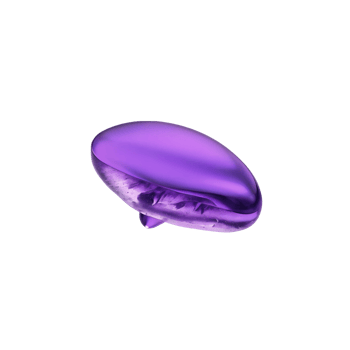
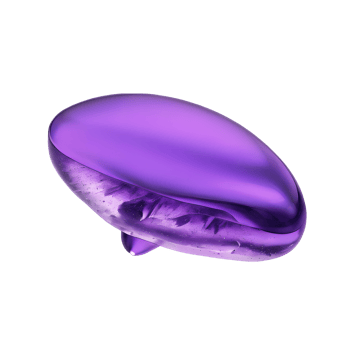
Gallstones are small stones that form in the gallbladder or in the bile ducts. Many people never notice them, but when a stone temporarily blocks the flow of bile, you can have a gallstone attack, also called biliary colic. When this happens, a typical pain pattern occurs that doctors recognize, but which can sometimes be confused with other types of conditions.
What does a gallstone attack feel like?
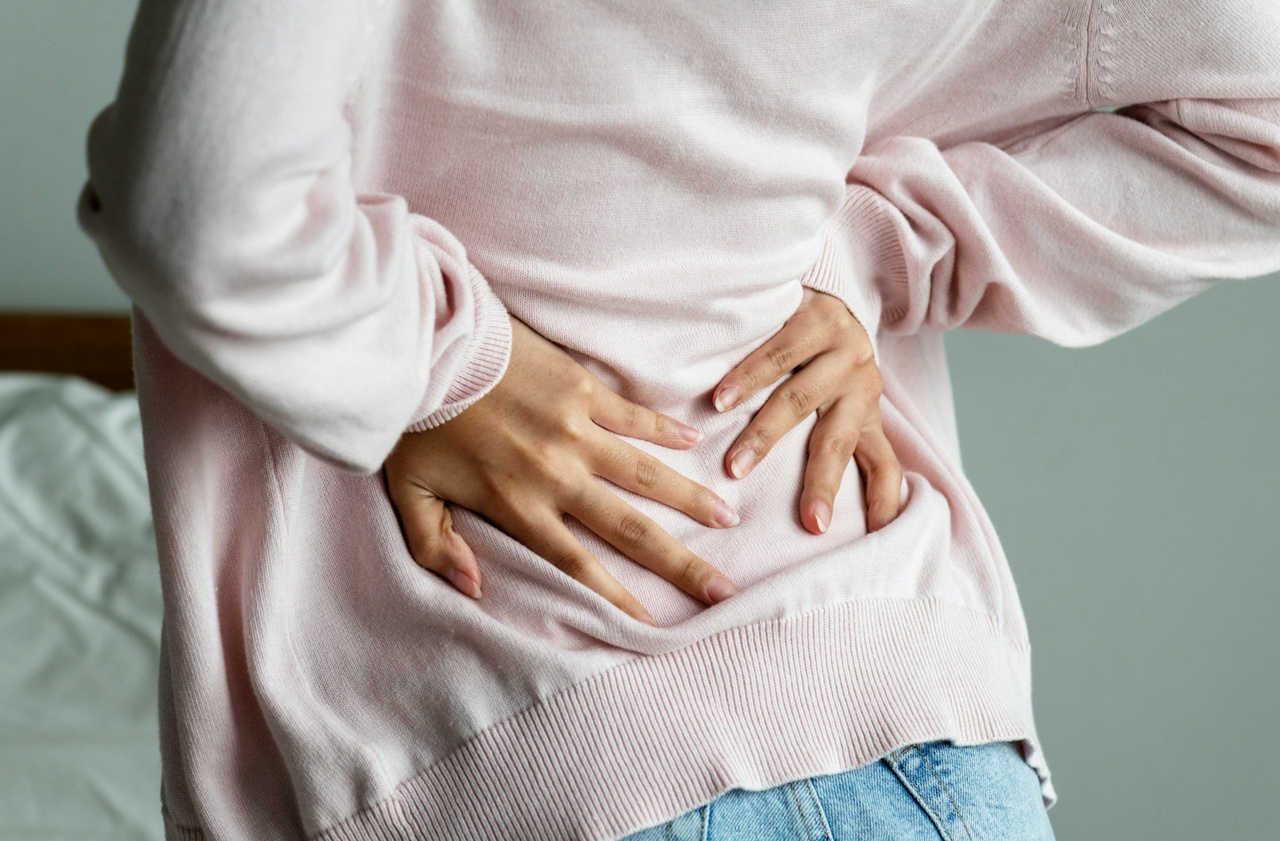
The pain of a gallstone attack is usually located in the upper abdomen, especially under the right rib cage, but it can also be felt in the middle of the abdomen. It is often described as very intense, pressing or cramping, although it is often quite constant during the attack itself. It is common for the pain to come after eating, sometimes in the evening or at night. The pain radiates to the back or up to the right shoulder blade and many people become nauseous and some vomit.
An attack usually lasts more than 30 minutes and can continue for up to several hours. Between attacks you may feel completely recovered. The pattern of recurring episodes with similar pain suggests more of a gallstones than of, for example, stomach ulcers or muscular pain.
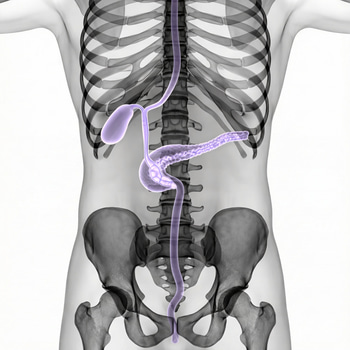
The pain occurs when the gallbladder tries to squeeze out bile while a stone is in the way. The gallbladder is a small organ located under the liver that stores bile, a fluid that also helps the body break down fat. When this passage is blocked, the pressure increases, and this is what causes the pain.
When is it not just a regular gallstone attack?
The pain is not always the same with gallstones – if the pain does not go away, or if you also get a fever, chills or your skin or the whites of your eyes become yellow, you have to think about complications. In that case, it could instead be an inflamed gallbladder, a stone in the greater bile duct or an infection in the bile ducts.
Severe pain that radiates to the back along with pronounced nausea and vomiting is another warning sign. This may be because gallstones have triggered an inflammation of the pancreas, known as gallstone pancreatitis.
Seek medical attention quickly if you have:
- pain in the upper abdomen that lasts longer than 30 minutes
- recurrent severe attacks
- fever or chills
- yellow skin or yellow whites of the eyes
- dark urine or light stools
- severe pain with vomiting or affected general condition
The combination of pain, fever and jaundice is particularly important to react to because it can indicate a blockage and infection in the bile ducts, which requires rapid assessment.
How gallstones are examined in healthcare
You and the doctor will go through your medical history together, you will talk about where the pain is located, how long it lasts, whether it comes after eating, whether it radiates to the back or shoulder and whether you have had a fever, jaundice or vomiting. At this stage of the investigation, it is often possible to determine whether the symptoms are similar to gallstone disease or whether other diagnoses need to be considered.
The doctor will also perform a physical examination and take blood tests. This will usually include checking liver samples, inflammation samples and sometimes pancreatic samples. Blood tests can show whether the bile has had difficulty draining, whether there are signs of infection or whether the pancreas is affected.
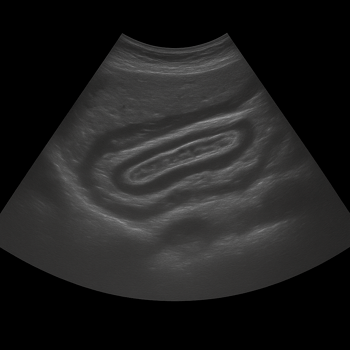
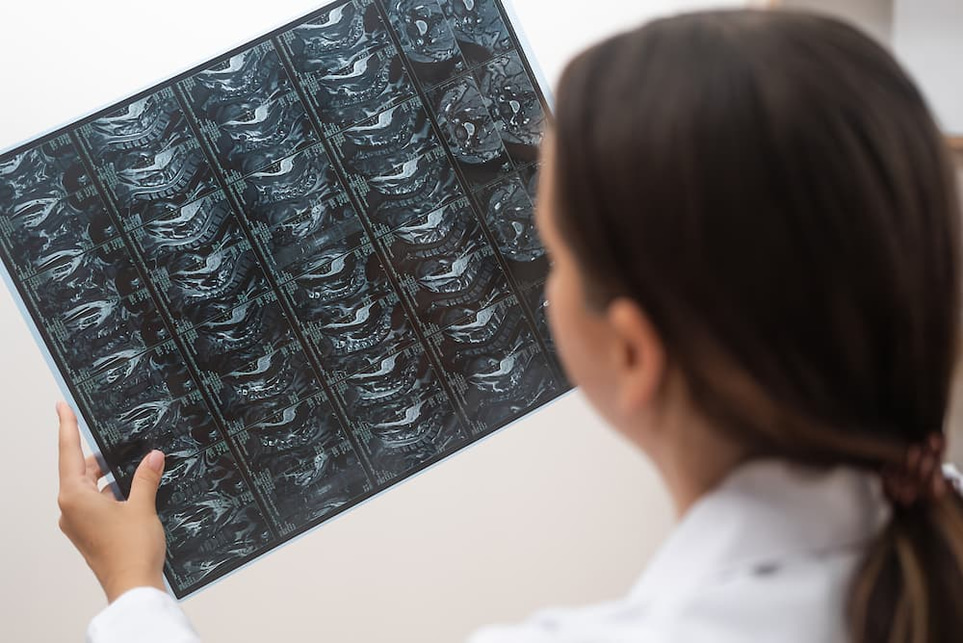
The most important imaging test is an abdominal ultrasound. Ultrasound is the first choice for suspected gallstones because it is both a gentle, quick and good way to detect stones in the gallbladder. The ultrasound examination is not painful, although it may be tender if you already have pain in the area.
Ultrasound does not only look for the stones themselves. It also assesses whether the gallbladder wall is thickened, whether there is fluid around the gallbladder and whether the bile ducts are dilated. This helps the doctor distinguish between a simple gallstone attack and complications such as inflammation or stones further down the bile duct.
Why is ultrasound not always enough?
Ultrasound is very good for gallstones in the gallbladder, but it does not always show stones that have migrated into the common bile duct. Therefore, it may be necessary to proceed if the symptoms and blood tests indicate a blockage even though the ultrasound does not give the full answer.
In such situations, magnetic resonance imaging of the bile ducts, known as MRCP, or endoscopic ultrasound, EUS, is often used. Both methods are used to look for stones in the bile duct when the clinical suspicion remains.
If you have a strong suspicion of a stone in the bile duct and at the same time need treatment, ERCP can be performed. It is an endoscopic examination in which the doctor goes down through the mouth and down to the duodenum and can open the bile duct and remove the stone. ERCP is mainly used when the likelihood of stones is assessed to be high or when there are already complications, since it is an intervention and not just a diagnostic test.
What happens when gallstones are found?
The treatment depends on whether the stone is causing problems or not. Gallstones that are found by chance and do not cause symptoms usually do not need treatment. If, however, you have typical gallstone attacks, surgery to remove the gallbladder, called a cholecystectomy, is usually considered.
It may sound drastic to remove an organ, but it is possible to live without a gallbladder. The liver continues to produce bile, but it is no longer stored in the same way between meals. For most people, digestion works well even after surgery, although some may be sensitive to fatty foods for a while.
If acute complications have occurred, the condition is what determines the treatment. Inflamed gallbladder sometimes requires hospitalization and surgery, stones in the bile duct may require ERCP, and infection in the bile ducts requires prompt treatment. Therefore, it is not only the presence of gallstones that determines, but where the stone is located and what it is causing.
When should you seek medical attention?
You should seek medical attention and assessment if you have had a first attack with clear pain in the upper part of the stomach that has lasted more than half an hour. The same applies if you have recurring episodes that are similar to each other, even if they pass between times.
Write down or reflect on exactly where the pain is located, how long it lasts, whether it comes after eating, whether it radiates to the back or shoulder and whether you also experience nausea, fever or jaundice. With this information, it will be easier to distinguish gallstone attacks from, for example, reflux, stomach ulcers, kidney stones or heart problems.