Quick version
Prediabetes means that blood sugar is elevated but does not yet meet the criteria for type 2 diabetes. It is usually caused by insulin resistance, which means that the body's cells respond less well to insulin and forces the pancreas to overwork until it can no longer keep up. Since the condition rarely causes clear symptoms – apart from possible diffuse signs such as fatigue after meals, increased waist size and weak energy – it is usually detected via blood tests such as HbA1c or fasting glucose. The risk is controlled by a combination of heredity, abdominal obesity, sedentary lifestyle and lack of sleep, but the good news is that the process can be slowed down and often normalised with regular exercise, more fibre-rich food, good sleep and sometimes moderate weight loss.
You can feel completely healthy and yet have blood sugar that slowly starts to drift in the wrong direction. Many people only discover prediabetes when they take a blood test for another reason, such as fatigue, weight gain or a health check. That's why the condition raises so many questions: if nothing is clearly noticeable, what is actually happening in the body?
Prediabetes is not diabetes - but the body's balance has begun to fail
Prediabetes means that blood sugar is higher than normal, but not so high that it meets the criteria for diabetes. It is therefore a preliminary stage where the body's regulation of glucose is already disrupted. Both fasting glucose, long-term blood sugar (HbA1c) and sometimes glucose load can be used to detect this.
International guidelines usually use HbA1c 39–47 mmol/mol as a range that indicates increased risk, while diabetes is diagnosed from 48 mmol/mol and above. Fasting glucose between 5.6 and 6.9 mmol/L is also considered elevated. However, a normal test does not always rule out early disorders, as some people only get high values after a meal.
It is common to wonder: “Have I already become ill?” Medically, the answer is that the body is showing signs of impaired glucose control, but the development can often be slowed down. Prediabetes is therefore best seen as a warning signal, not as an end state.
What happens in the body with prediabetes?
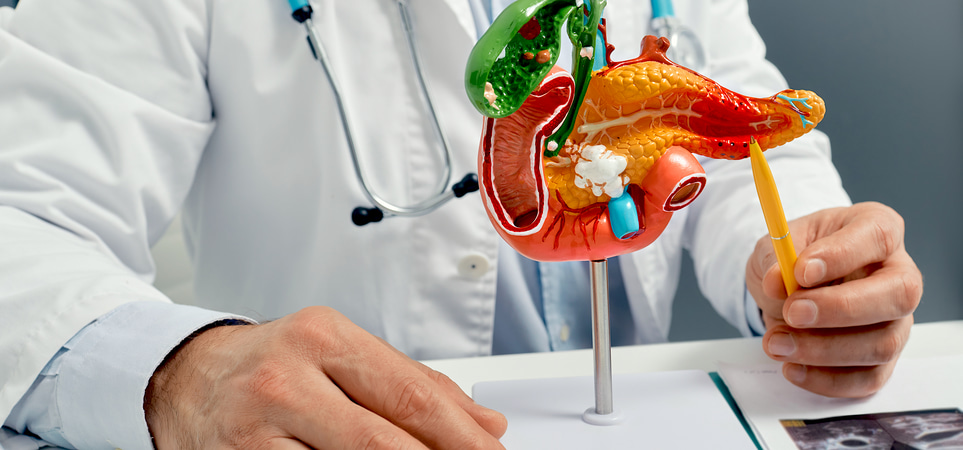
The central problem is usually insulin resistance. Insulin is the hormone that helps the body's cells absorb glucose from the blood, especially in muscles, liver and fat tissue. In insulin resistance, the cells respond less well to the insulin signal, and the body must produce more insulin to get the same effect.
For a period of time, the pancreas can compensate by increasing insulin production. Then blood sugar can still be close to normal, even though the body is working harder in the background. Over time, compensation becomes less effective, especially after meals, and glucose levels begin to rise.
The liver also plays an important role. Normally, the liver reduces its own glucose production when insulin is working properly. In prediabetes, the liver often continues to release sugar into the blood even though levels are already sufficient, which contributes to elevated fasting blood sugar.
In many people, there is also a gradual deterioration of the beta cells in the pancreas, the cells that produce insulin. This means that the problem is not only that insulin works less well, but also that the amount of insulin is ultimately not enough. Type 2 diabetes often develops through this combination.
What symptoms can prediabetes cause?
Prediabetes often does not cause any clear symptoms at all. This is an important reason why the condition can exist for several years without being detected. Many people therefore feel very uncertain when a test result shows deviating values even though everyday life has functioned as usual.
When symptoms occur, they are often diffuse. Examples may include unusual fatigue after meals, increased hunger, difficulty controlling weight or an increase in waist circumference despite unchanged habits. Some also describe that energy fluctuates more throughout the day.
Some signs speak more specifically of insulin resistance. Darker, velvety skin in skin folds, especially on the neck or in the armpits, can be such a sign. Elevated blood lipids, high blood pressure and fatty liver also occur more often with prediabetes than in people with completely normal glucose regulation.
However, if you have a clear thirst, large amounts of urine, unexplained weight loss or a noticeable change in vision, diabetes should be ruled out rather than prediabetes. In that case, it is wise to seek medical attention without waiting.
Why does one get prediabetes?
Prediabetes rarely occurs for a single reason. Often, several factors interact over time: heredity, abdominal obesity, low physical activity, lack of sleep, increasing age and sometimes stress-related lifestyle patterns. The result is a body that gradually becomes less sensitive to insulin.
Adipose tissue around the abdomen is particularly metabolically active and is strongly linked to insulin resistance. This does not mean that only people with high weight are affected, but the risk increases when fat is stored centrally around the stomach rather than evenly distributed. Two people with the same BMI can therefore have different metabolic risks.
There are also situations where the risk is extra high. These include previous gestational diabetes, polycystic ovary syndrome, a close relative with type 2 diabetes and certain medications, such as prolonged treatment with glucocorticoids. Lack of sleep, shift work and prolonged physical inactivity can also reinforce existing insulin resistance.
In practice, it often looks like this: a person who previously tolerated irregular eating and exercise habits notices after a few years that weight increases more easily, fitness decreases and recovery becomes worse. In this case, prediabetes may be a biological explanation behind the change.
How is the diagnosis made and when should you get tested?
Prediabetes is detected with a blood test. The most common methods are fasting glucose and HbA1c, and sometimes an oral glucose tolerance test is used to measure how the body handles a certain amount of sugar over two hours. HbA1c roughly reflects the average blood sugar over the past 2–3 months.
For people, HbA1c is often easy to understand because the test provides a picture of the long-term situation, not just a single day. However, there are limitations. In some conditions that affect red blood cells, such as certain blood disorders, pregnancy, or certain hemoglobin variants, plasma glucose may be more reliable.
You should consider testing if you have multiple risk factors or if something in your body feels different without a clear explanation. This is especially true if you have:
- heredity for type 2 diabetes
- increased waist size or rapid weight gain
- high blood pressure or blood lipid disorder
- previous gestational diabetes or PMOS
- prolonged fatigue or weak energy after meals
Testing may also be relevant as part of a broader metabolic health check. If HbA1c is in the borderline zone, it is often valuable to simultaneously assess blood lipids, liver values and sometimes fasting glucose. For some, it is also appropriate to read more about insulin resistance, metabolic health or health checks with blood sugar and blood fats.
Is it possible to stop the development of type 2 diabetes?
Yes, in many cases the development can be slowed down significantly, and sometimes the values normalize. Research shows that lifestyle changes have a strong effect, especially early in the process. A weight loss of around 5–7 percent of the original weight has in large studies reduced the risk of developing type 2 diabetes in high-risk individuals.
This does not mean that everyone has to lose a lot of weight to have an effect. For some, increasing daily movement, building more muscle activity and reducing long periods of sitting still is enough. Muscles use glucose efficiently, which improves insulin sensitivity even before the weight has had time to change significantly.
Food also plays a role, but rarely through a single “perfect” diet. The goal is rather to reduce large blood sugar fluctuations and improve energy intake over the course of the day. Regular meals, more fiber-rich foods, less ultra-processed energy and better portion balance help many more than short-term extreme schemes.
Sleep also deserves more attention than it often gets. Short nights of sleep and disrupted circadian rhythms impair the body's glucose regulation and can increase hunger signals. If you both sleep poorly and have elevated blood sugar levels, sleep becomes part of the treatment, not just a background factor.
In some cases, medication may be appropriate to reduce the risk of type 2 diabetes, especially in people at high risk. Metformin can be considered in selected situations, for example in cases of severe obesity, higher glucose levels or previous gestational diabetes. This decision is made individually based on the overall picture, not just a single test result.
Prediabetes is therefore not just about future diabetes. It is also a signal of increased cardiometabolic load here and now. When glucose values start to rise, other risk markers such as blood pressure, blood lipids and liver damage are often present in the background.
Testing yourself on time can provide an unusually concrete basis for change. Instead of guessing how your body is feeling, you can start from actual values and follow how they are affected over time.