Quick version
Alpha-1 antitrypsin deficiency is a hereditary condition in which the liver produces too little of the protein that protects lung tissue from breakdown, which can lead to early COPD, emphysema and in some cases liver disease. The deficiency should be particularly suspected in cases of lung disease at a young age, in non-smokers, in cases of difficult-to-treat asthma or if similar lung and liver problems run in the family. The investigation begins with a simple blood test, which, if the values are low, is supplemented with genetic analysis to determine the level of risk. Although the basic treatment is similar to that of regular COPD – with total cessation of smoking as the most important measure – a confirmed diagnosis can open the way to specialized treatment in selected patients, as well as important follow-up and family investigation.
Many people who are diagnosed with COPD immediately think of smoking. But sometimes the picture is not correct. You may have been a light smoker all your life, are unusually young to have emphysema, or have several relatives with lung disease or liver disease. This raises a reasonable question: could unexplained COPD be due to alpha-1-antitrypsin deficiency?
What is alpha-1-antitrypsin and why does it matter in COPD?
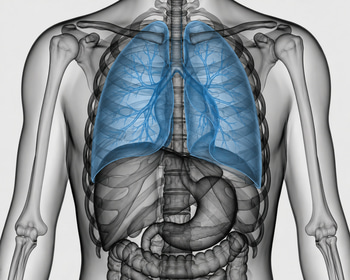
Alpha-1-antitrypsin is a protein that is mainly produced in the liver and circulates in the blood. Its function is to protect lung tissue against enzymes that can otherwise break down elastic structures in the lungs. When the level is too low, the protection becomes worse, and then the alveoli can be damaged earlier and more quickly than expected.
This is called alpha-1-antitrypsin deficiency. The condition is hereditary and is caused by changes in the SERPINA1 gene. Severe deficiency is most clearly linked to emphysema and COPD, but the same genetic condition can also cause liver disease because the misfolded protein can accumulate in the liver.
In adults, the disease most often manifests as shortness of breath, cough, wheezing or recurrent respiratory problems. The symptoms are similar to regular COPD or asthma, which often delays diagnosis. This is an important reason why alpha-1-antitrypsin should be considered when COPD feels “unexplained”.
When should alpha-1-antitrypsin be suspected in unexplained COPD?
The suspicion should be especially strong if KOL or emphysema occurs earlier than usual, especially before the age of 45–50. The same applies if the lung damage seems greater than expected based on smoking habits, or if you have never smoked at all.
There are also other clues. One example is if a CT scan shows emphysema further down in the lungs, so-called basal-dominated emphysema, which is a classic but not mandatory pattern in alpha-1-antitrypsin deficiency. Another is if you also have bronchiectasis, i.e. dilated bronchi with thick mucus and repeated infections.
Family history is very important. If close relatives have had early COPD, emphysema, liver disease, unexplained elevated liver function tests or cirrhosis of the liver without a clear cause, this strengthens the suspicion. Even people who have been treated for a long time for “severe asthma” but do not respond as expected to treatment may in fact have an underlying alpha-1-antitrypsin problem.
How is alpha-1-antitrypsin deficiency tested?
The investigation often begins with a blood test that measures the level of alpha-1-antitrypsin in serum. It is a good first step, but the test must be interpreted correctly. Alpha-1-antitrypsin is a so-called acute phase protein, which means that the level can rise during infection or inflammation. If you test yourself when you are sick, the value may therefore look more normal than it actually is.
In the case of low or borderline levels, phenotyping or genetic analysis is carried out. This looks for common disease-associated variants, especially the Z and S variants, and if necessary also more unusual changes in SERPINA1. The diagnosis is therefore not based solely on a single blood value, but on the combination of the level and genetic or protein-based confirmation.
For you as a patient, it may be helpful to think of it this way: the blood test shows how much protective protein you have, while the genetic analysis explains why the level looks the way it does. Both parts are often needed to get a reliable answer.
If you have already been diagnosed with COPD, emphysema or unexplained shortness of breath, testing is particularly relevant. Guidelines recommend considering or offering testing widely in COPD, as the condition is still underdiagnosed.
What does the answer mean if antitrypsin is low?
A low value does not automatically mean that you have the most severe form of the disease. There are several genetic combinations, and the level of risk differs between them. People with two severe predispositions, for example ZZ, are at the highest risk of lung disease and also at an increased risk of liver disease. Other combinations may result in milder reductions and more variable risk.
Here the context becomes crucial. A person with a slightly reduced level, no symptoms and normal lung function is assessed differently than someone with clear emphysema, impaired spirometry and the same genetic findings in the family. Therefore, the test result should always be weighed against symptoms, lung function, imaging diagnostics and sometimes liver tests.
Many also wonder whether “carrier status” plays any role. For certain heterozygous variants, especially in combination with smoking, the risk of lung disease may be higher than in people without a predisposition. This does not mean that all carriers will become ill, but the information can be valuable for lifestyle advice, follow-up and family investigation.
A positive finding often has consequences outside the lungs as well. In this case, the doctor may want to assess the liver with liver tests and sometimes additional examinations. It is also common to offer testing to close relatives, as early detection can make a big difference.
What treatment is available if unexplained COPD is due to alpha-1-antitrypsin deficiency?
The treatment of the COPD part basically follows the same principles as for other COPD: smoking cessation, inhalation therapy when needed, vaccinations, physical exercise and treatment of exacerbations. However, in the case of alpha-1-antitrypsin deficiency, certain measures become extra urgent, especially completely avoiding smoking and prolonged exposure to dust, smoke and chemical irritants in the work or home environment.
For some patients with severe deficiency and established emphysema, so-called augmentation therapy may be appropriate. This involves regular infusions of purified alpha-1-antitrypsin from donor plasma to increase the level of protection in the body. The treatment does not cure the disease and does not restore already damaged lungs, but studies and guidelines suggest that it can slow the loss of lung tissue in carefully selected patients.
It is not a treatment for everyone with low value. The decision is usually based on several factors: genetic type, how low the level is, whether emphysema is actually present, what lung function looks like and whether you are already receiving optimal COPD treatment. Guidelines describe the benefit as limited but possible, which reflects that the treatment is specialized and should be directed at the right patient group.
There is also a practical point in getting the right diagnosis even when specific treatment is not immediately relevant. You and the healthcare team can monitor the lungs and liver more accurately, and family members can receive information in a timely manner.
When should you proceed with testing?
If you have developed COPD without a clear explanation, it is wise to raise the issue of alpha-1-antitrypsin with your doctor. This is especially true if you are younger than expected, have little or no smoking history, have relatives with COPD or liver disease, or if you have repeated respiratory infections and a cough that does not quite fit into regular COPD.
In practice, the investigation can start simply. A blood test for alpha-1-antitrypsin can be combined with, for example, CRP to assess whether concomitant inflammation can affect the interpretation. Depending on the result, you can then proceed with genetic analysis, spirometry and sometimes liver tests or imaging diagnostics.
For someone who has been seeking answers to shortness of breath for a long time, such a test can be more than just another value. It can change how you view the cause of the disease, what risks you need to monitor, and which family members may also benefit from being tested.
The most actionable step is often not to wait for the symptoms to "become clearer," but to find out if there is a biological explanation that can be captured in a test result.