Quick version
High calcium in the blood (hypercalcemia) is most often caused by a benign overactivity of the parathyroid glands (primary hyperparathyroidism), but can also be caused by medications, dietary supplements, or more serious illnesses. By checking parathyroid hormone (PTH) along with kidney function and other symptoms, the doctor can determine what is behind it and whether follow-up is sufficient or treatment is required.
High calcium in the blood, or hypercalcemia, is often discovered unexpectedly. Perhaps you took tests for fatigue, stomach problems or kidney stones and found out that the calcium was above the reference range. This raises a reasonable question: is it a temporary laboratory finding, or a sign of something that needs to be investigated?
High calcium in the blood – what could be behind it?
Calcium is needed for muscles, nerves, heart rhythm and bones. But the level in the blood should be within a narrow range. When the level becomes too high, the body can react with everything from discreet symptoms to an acute illness, depending on how high the value is and how quickly it has risen.
An elevated calcium value always needs to be interpreted in its context. Total calcium is affected by, among other things, albumin, a blood protein that binds calcium, and therefore it is sometimes necessary to recalculate the value or measure ionized calcium to know if it is really hypercalcemia. In practice, the finding is often confirmed with a new sample and supplemented with an analysis of parathyroid hormone, PTH.
Symptoms of high calcium in the blood can be diffuse
Many people with mild hypercalcemia feel nothing at all. Others describe symptoms that can easily be confused with stress, dehydration or stomach problems. This is one explanation for why the condition is often discovered in connection with other tests.
Common symptoms and signs are:
- fatigue and decreased energy
- increased thirst and large amounts of urine
- constipation, nausea or abdominal pain
- muscle weakness
- difficulty concentrating, depressed mood or confusion
- kidney stones or recurring flank pain
If calcium rises rapidly or becomes clearly elevated, symptoms may become more pronounced. Severe hypercalcemia can affect the heart rhythm and requires rapid assessment, especially in the case of pronounced fatigue, confusion, vomiting, dehydration or known cancer. Levels above approximately 3.5 mmol/L are considered potentially acute in clinical guidelines.
The most common cause is overactive parathyroid gland
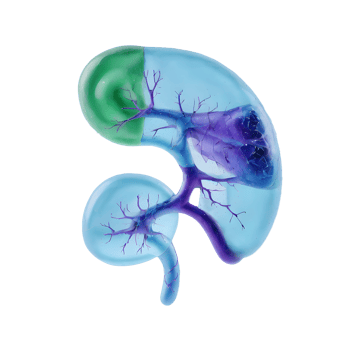
In people who are examined in outpatient care, primary hyperparathyroidism is the most common cause of high calcium in the blood. This means that one or more parathyroid glands produce too much PTH, the hormone that raises calcium by affecting the skeleton, kidneys and vitamin D activation. It is most often due to a benign adenoma in one parathyroid gland, less often to enlargement of several glands and very rarely to cancer.
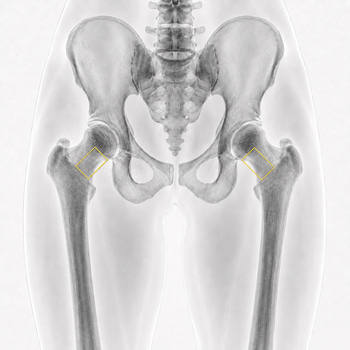
This condition is common especially in postmenopausal women, and many have few or no obvious symptoms. At the same time, long-term elevated PTH can contribute to osteoporosis, kidney stones and impaired kidney function even if you do not feel particularly ill in everyday life. Therefore, it is important not to dismiss a slightly elevated calcium as “insignificant” without understanding the cause.
A typical test pattern in primary hyperparathyroidism is that calcium is high while PTH is normal or elevated. It may sound contradictory, but in true hypercalcemia, PTH should normally be suppressed. A “normal” PTH can therefore be abnormal in that particular situation.
An important unusual differential diagnosis is familial hypocalciuric hypercalcemia, FHH. It is a hereditary and usually benign condition in which calcium is slightly elevated for a long time, but where calcium excretion in the urine is low. It needs to be distinguished from primary hyperparathyroidism because surgery of the parathyroid glands does not help in this case.
High calcium in the blood can also be due to cancer, drugs or other diseases
If PTH is low in hypercalcemia, it indicates that the cause lies outside the parathyroid glands. This broadens the investigation. An important cause is malignancy, especially if the hypercalcemia is new, severe, or has a systemic effect. Cancer can raise calcium either through substances that resemble PTH or by affecting the skeleton, for example in myeloma or bone metastases. In hospital care, malignancy is one of the most common causes of hypercalcemia.
There are also several other causes that doctors need to keep in mind. Examples include:
- drugs such as lithium and thiazide diuretics
- high intake of calcium or vitamin D, including dietary supplements
- granulomatous diseases such as sarcoidosis or tuberculosis
- hyperthyroidism
How to investigate the cause when the calcium level is elevated The investigation begins by confirming that calcium is indeed elevated. The doctor looks at total calcium, albumin and sometimes ionized calcium. After that, PTH is a key test, as it quickly divides hypercalcemia into two main tracks: PTH-dependent and PTH-independent causes.
If primary hyperparathyroidism is suspected, it is usually supplemented with creatinine or eGFR for kidney function, 25-OH vitamin D, and urine or 24-hour urine for calcium excretion. Urinary calcium is particularly helpful in distinguishing between primary hyperparathyroidism and FHH. Bone density measurement may also be relevant because long-term elevated PTH affects the skeleton.
If PTH is low, however, the investigation is directed towards other causes. In this case, tests for myeloma, thyroid function, vitamin D-related conditions and sometimes imaging of the lungs or other organs may also be relevant, depending on the symptoms and disease picture. The pattern in the tests is often more indicative than the calcium value itself.
For you as a patient, two questions are often particularly relevant: “Do I need to be worried?” and “What happens now?” The answer depends mainly on three things: how high the calcium is, whether you have symptoms, and whether the test results indicate a benign or more serious cause. A slightly abnormal value in an asymptomatic person usually leads to planned follow-up, while clear symptoms or rapidly rising values require faster treatment.
When is treatment needed and when should you seek immediate care?
Treatment is directed at the cause. In primary hyperparathyroidism, follow-up may sometimes be sufficient, but in other cases, surgery is recommended, especially if there are symptoms, kidney stones, osteoporosis, impaired kidney function, or clearly elevated calcium. In those who do not have surgery, values, kidney function, and bones are usually monitored over time.
In more pronounced hypercalcemia, the first treatment is often fluids, as many people become dehydrated and then have more difficulty getting rid of the excess calcium. In hospitals, medications that quickly or for a longer period of time can be used to lower calcium levels, such as calcitonin and bisphosphonates, depending on the cause and severity.
Seek medical attention immediately if you have experienced high calcium levels in your blood and at the same time experience increasing thirst, severe constipation, repeated vomiting, confusion, palpitations or significant muscle weakness. The same applies if you have cancer and develop symptoms that may be consistent with hypercalcemia. In these situations, it is not just about explaining the test result, but about preventing complications.
An elevated calcium level is often the beginning of an investigation, not the end of it. Sometimes it leads to a diagnosis of overactive parathyroid gland, sometimes to finding a medication or supplement that needs to be adjusted, and sometimes the finding is an early signal of something that would otherwise have been discovered later. That is precisely why a simple blood test can provide more than just an answer: it can provide direction.