
Quick version
Early signs of diabetes – such as increased thirst, frequent toilet visits, fatigue, blurred vision, recurrent infections, slow wound healing and involuntary weight loss – are usually due to the kidneys trying to get rid of excess glucose through the urine. This fluid loss and the cells' lack of energy mean that the symptoms can easily occur at the same time. Since the condition develops slowly and diagnosis requires blood tests (such as HbA1c or plasma glucose), you should not wait for obvious symptoms. If symptoms persist, known risk factors or a rapid onset of illness with severe thirst and weight loss, it is important to check your values immediately.
It rarely starts dramatically. Often it's about small changes that are easy to blame on stress, poor sleep or a hectic period: you drink more than usual, become unusually tired after lunch or notice that your vision feels blurry on some days. This is precisely why early signs of diabetes are often missed, especially in type 2 diabetes, which can develop slowly over several years and sometimes cause few or no obvious symptoms at first.
Early signs of diabetes can be everyday symptoms
The classic symptoms of diabetes are due to blood sugar becoming too high. When the glucose level in the blood rises, the kidneys try to get rid of the excess through the urine. This causes the body to lose fluid, which in turn drives several of the early symptoms.
The seven signs that often come early are:
- increased thirst
- urinating more often than usual
- unusual fatigue
- blurred or temporarily blurred vision
- recurrent infections
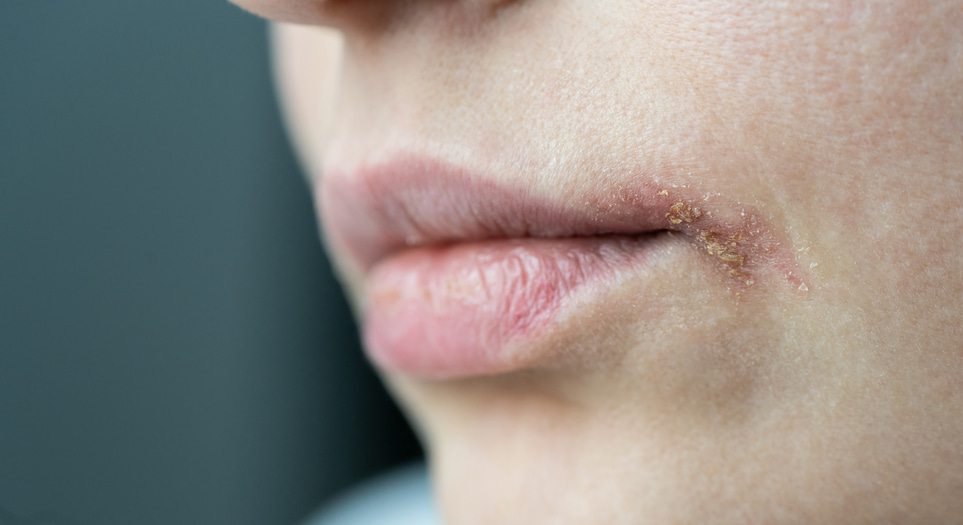
- slow-healing wounds
- unintentional weight loss
This does not mean that every single symptom is diabetes. But if several of them occur at the same time, or if you recognize a new pattern in your everyday life, there is reason to take it seriously and check your values.
1–3: Thirst, frequent toilet visits and fatigue
Many people do not seek treatment because they are “just drinking more water”. But increased thirst and the need to urinate more often, even at night, are some of the most common early signs of diabetes. The explanation is simple: when the body tries to get rid of excess sugar, fluid is released into the urine.
Fatigue can be more difficult to interpret. Some describe not having enough energy even though they sleep as usual, others that they become lethargic after meals or lose focus during the workday. High blood sugar can contribute to fatigue both through dehydration and because the body's cells do not use glucose effectively as fuel.
A common patient question is whether "normal stress" can cause the same symptoms. Yes, to some extent. But if thirst, nighttime urination and fatigue persist for weeks, or occur together, diabetes should be considered as a possible explanation.
4–5: Blurred vision and recurring infections
Blurred vision is a symptom that many people do not connect to blood sugar. When glucose levels are high, the fluid balance in the eye's lens is also affected, which can cause vision to vary from day to day. It may be noticed that text on the screen becomes more difficult to focus on or that the glasses suddenly feel “wrong”.
Recurrent infections are another early warning sign. These can be urinary tract infections, skin infections, fungal infections or genital complaints that recur despite treatment. High blood sugar favors certain microorganisms and can also impair the body's ability to resist infections.
6–7: Slow wound healing and unexplained weight loss
If small wounds on the feet or lower legs heal slowly, you should react, especially if it is a new pattern. High blood sugar can affect blood circulation, the immune system and tissue healing. This means that even minor skin lesions sometimes remain longer than expected.
Involuntary weight loss can also be an early sign, although it is more common in type 1 diabetes or more pronounced insulin deficiency. When the body cannot use glucose normally, it begins to break down fat and muscle for energy. Some people just notice that their clothes fit looser even though they are eating as usual.
Weight loss is often misunderstood. It can be perceived as something positive, but if it occurs without conscious lifestyle changes, it should not be dismissed. Especially not if it is combined with thirst, fatigue or increased urination.
When should you test for diabetes?
You should consider getting tested if you recognize several early signs of diabetes, even if the symptoms are mild. This also applies if you have risk factors such as heredity, obesity, high blood pressure, previous gestational diabetes or a sedentary lifestyle. Type 2 diabetes and prediabetes can exist without clear symptoms, which makes blood tests more important than waiting for the body to “tell you” more clearly.
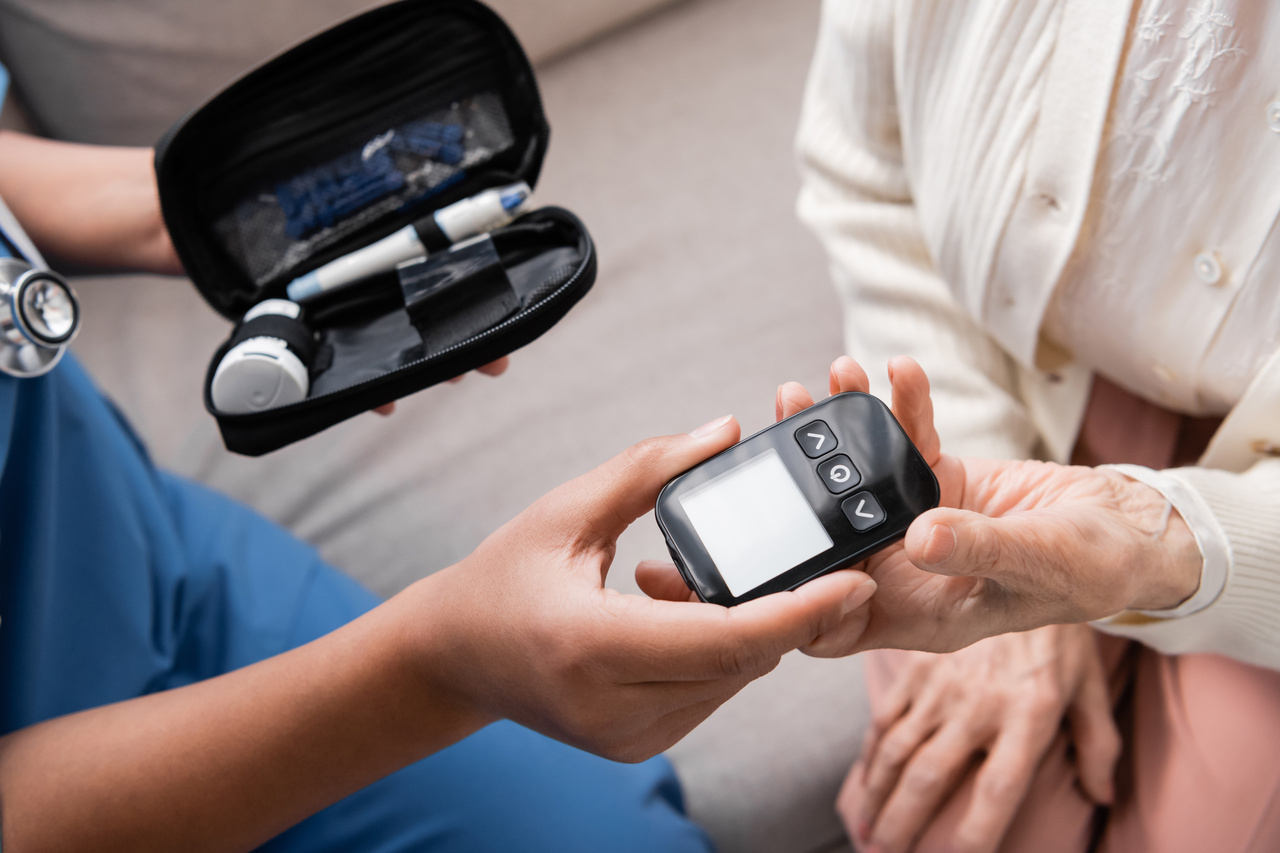
The diagnosis is made with blood tests, not based on symptoms alone. According to current diagnostic criteria, diabetes can be diagnosed with elevated fasting glucose, HbA1c at diabetic levels, glucose value after glucose load or random plasma glucose of at least 11.1 mmol/L together with classic hyperglycemia symptoms. If there is no clear clinical picture, confirmatory testing is needed.
HbA1c is a common test because it reflects blood sugar levels over time, approximately the last 2–3 months. For many, it is a good first step, but in certain conditions — such as pregnancy, certain blood diseases or altered red blood cell turnover — plasma glucose needs to be interpreted more directly.
If symptoms come on quickly, especially together with excessive thirst, rapid weight loss, nausea or an affected general condition, you should not wait to contact healthcare. Type 1 diabetes can debut significantly faster than type 2 diabetes and can become acutely serious.
Detecting elevated blood sugar early is not just about avoiding a future diagnosis. It also provides a chance to understand what the body is signaling before the problem has had time to affect vision, nerves, blood vessels or work capacity more significantly. A simple blood test can therefore be the starting point for both treatment and more accurate lifestyle choices.