Quick version
What is COPD?
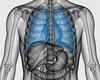
COPD, chronic obstructive pulmonary disease, is a long-term lung disease that makes it harder to get air out of the lungs. This can lead to coughing, mucus and shortness of breath as the airways become narrower and the lung tissue can be damaged.
The symptoms often develop gradually and many people first notice that they become more breathless on stairs, hills or when walking quickly. Over time, shortness of breath can also occur during lighter activities.
Common symptoms of COPD
The symptoms of COPD can come on insidiously. It is common for people to unconsciously adjust their daily lives by walking more slowly, avoiding stairs or pausing more often. Here are common symptoms of COPD:
- long-term cough
- mucus in the airways, especially in the morning
- shortness of breath on exertion
- wheezing or wheezing
- recurrent respiratory infections or worsening respiratory problems
- decreased energy and the need to stop or rest more often
Why do people get COPD?
As most people know, the most common cause is tobacco smoking. The risk of developing COPD increases the longer and more you have smoked. But even those who have previously smoked can be affected. Other factors that can cause COPD include long-term exposure to dust, smoke or chemicals, which you may be exposed to in the work environment, for example, depending on where you work.
When should you seek medical attention?
Contact your healthcare provider if you have a cough, phlegm or shortness of breath that does not go away or that affects your everyday life – especially if you smoke or have smoked in the past. COPD is not a lung disease that can be confirmed with a blood test. The diagnosis is usually made with spirometry, which is a lung function test that measures how much and how quickly you can blow air out.
If you suddenly become much more short of breath, have difficulty speaking in complete sentences, get bluish lips or feel confused or very tired, you should seek emergency medical attention.
Can COPD be treated?
Those affected by COPD cannot completely get rid of the symptoms as COPD cannot be cured. But treatment can reduce symptoms and slow the progression. The most important measure is to stop smoking completely. Treatment may also include inhaled medications, exercise, vaccinations, and support during periods of exacerbation.