Quick version
The lungs are vital organs that regulate the amount of oxygen and carbon dioxide in the body. The health of the lungs is crucial for energy metabolism and overall well-being.
- The body has two lungs, located on each side of the chest cavity
- The alveoli are responsible for gas exchange
- Lung function can be impaired by smoking, infection, and air quality
- Common symptoms of disease include coughing and shortness of breath
Lung anatomy
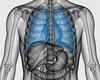
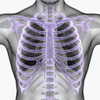
The lungs are the body's main organs for breathing and are located in the chest, protected by the rib cage. They consist of two soft, elastic organs whose main function is gas exchange between the air and the blood – taking up the oxygen the body needs and removing carbon dioxide produced when the body's cells are active.
The lungs are located on either side of the heart. The right lung is slightly larger than the left and consists of three lobes, while the left lung has two lobes to make room for the heart. Each lung is surrounded by a thin membrane called the pleura, which consists of two layers with a small amount of fluid between them. This fluid allows the lungs to move smoothly against the inside of the chest wall during breathing.
The airways and alveoli
Air reaches the lungs through the trachea, which divides into two main bronchi – one leading to each lung. The bronchi then branch into an extensive network of increasingly smaller airways known as bronchioles. At the ends of the bronchioles are the alveoli, tiny air sacs where the actual gas exchange takes place.
The walls of the alveoli are extremely thin and are surrounded by a dense network of small blood vessels called capillaries. The large combined surface area of the alveoli allows oxygen to pass rapidly from the inhaled air into the blood, while carbon dioxide moves from the blood into the alveoli and leaves the body when we breathe out.
How the lungs work
The lungs cannot draw in air on their own but work together with the body's respiratory muscles. The most important of these is the diaphragm, a large dome-shaped muscle that separates the chest cavity from the abdominal cavity. The muscles between the ribs also help with breathing.
When the diaphragm contracts and moves downward, the volume of the chest cavity increases. This lowers the pressure inside the lungs and causes air to flow in. When the diaphragm relaxes, the space in the chest decreases and air is pushed out again.
In the alveoli, oxygen is absorbed into the blood and binds mainly to haemoglobin in the red blood cells. The blood then transports the oxygen to the body's organs and tissues. When the cells use oxygen, carbon dioxide is produced as a waste product. Carbon dioxide is carried back to the lungs in the blood and is then exhaled.
Blood circulation in the lungs
The lungs are closely connected to the heart and the circulatory system. Oxygen-poor blood is pumped from the right side of the heart to the lungs through the pulmonary arteries. After the blood has taken up oxygen in the alveoli, it returns to the left side of the heart through the pulmonary veins. From there, the oxygen-rich blood is pumped out to the rest of the body.
The lungs' protective and clearing systems
The airways have several protective mechanisms that help prevent dust, particles and microorganisms from reaching deep into the lungs. The lining of the airways produces mucus that traps particles, while tiny hair-like structures called cilia transport the mucus upwards towards the throat, where it can be swallowed or coughed up.
The cough reflex is another important defence mechanism. It helps the body quickly clear the airways of mucus, foreign particles and other substances that may irritate them.
Common lung diseases and conditions
The lungs and airways can be affected by both acute and long-term diseases. Asthma causes inflammation and increased sensitivity in the airways, which can lead to episodes of shortness of breath and wheezing. Chronic obstructive pulmonary disease, COPD, involves a more persistent limitation of airflow and is strongly associated with smoking.
pneumonia is usually caused by an infection in the lung tissue and may cause coughing, fever, shortness of breath and a general feeling of illness. Other conditions include pulmonary fibrosis, in which the lung tissue becomes scarred and stiff, pulmonary embolism, where a blood clot becomes lodged in the blood vessels of the lungs, and pleurisy, an inflammation of the pleura.
The lungs can also be negatively affected by smoking, air pollution, dust, chemicals and long-term exposure to certain particles in the workplace. Such exposure can contribute to inflammation, chronic coughing and reduced lung function.
How are the lungs examined?
An assessment of lung-related symptoms usually begins with a review of symptoms, medical history, smoking habits, medications and any exposure to substances that may affect the lungs. A physical examination is then often performed, during which the doctor may listen to the lungs with a stethoscope.
Lung function can be assessed using spirometry, which measures how much air a person can breathe out and how quickly this can be done. Blood oxygen saturation can be measured using a pulse oximeter placed on a finger. When necessary, a blood gas analysis can be used to measure oxygen and carbon dioxide levels more precisely.
Diagnostic imaging may be needed to examine the lungs in greater detail. Chest X-rays and computed tomography, CT, are commonly used and can help identify infections, tumours, scarring, fluid or other abnormalities. In selected situations, MRI of the lungs may also be used.
Other examinations may include bronchoscopy, where a doctor examines the airways using a thin camera, or different types of exercise testing and lung function testing depending on the symptoms present.
Relevant symptoms
- Shortness of breath or difficulty breathing
- Dry or productive cough
- Persistent cough
- Blood in coughed-up mucus
- Chest pain or discomfort
- Pain when taking a deep breath
- Wheezing
- Increased mucus production
- Fatigue and reduced stamina
- Fever together with respiratory symptoms
When should you seek medical care?
Seek medical care if you have a persistent or worsening cough, recurring shortness of breath, wheezing or other respiratory symptoms that do not resolve. Coughing up blood should always be assessed by a healthcare professional.
Seek urgent medical attention in the event of sudden severe shortness of breath, severe chest pain, bluish lips, altered consciousness or a rapidly worsening general condition, as these symptoms may be caused by a serious condition affecting the lungs or heart.
Related conditions and diagnoses
- Asthma
- COPD (chronic obstructive pulmonary disease)
- Pneumonia
- Pulmonary embolism
- Pulmonary fibrosis
- Pleurisy (inflammation of the pleura)
- Pneumothorax
- Lung cancer
- Sleep apnoea