Quick version
Neutropenia is a condition in which the number of neutrophils (a type of white blood cell) is too low, which can be caused by anything from occasional viral infections and drug side effects to nutritional deficiencies or blood disorders. While a mild decrease often causes no symptoms at all and only requires monitoring, severe neutropenia means an increased risk of infection, with a fever above 38.0°C requiring prompt medical evaluation.
Neutropenia may sound like a difficult word from a blood test result, but the question that is most often raised is quite simple: does this mean that my immune system is weak? For some, neutropenia is barely noticeable at all. For others, it is only discovered when infections become more frequent, the fever rises rapidly or when a routine test shows that the number of white blood cells does not look as it should.
What is neutropenia?
Neutropenia means that you have too low a number of neutrophils in the blood. Neutrophils are a type of white blood cell that is an important part of the body's early defense against bacteria and fungi, in particular. When the level drops, vulnerability to infections increases, but how great the risk is depends on both how low the value is and how long it has been low.
In practice, neutropenia is most often assessed with ANC, which stands for absolute neutrophil count. In adults, neutropenia is usually defined as an ANC below 1.5 × 10⁹/L, although the limits may vary somewhat between guidelines and between different population groups. Neutropenia is usually divided into mild, moderate and severe, where severe neutropenia means an ANC below 0.5 × 10⁹/L and a clearly higher risk of serious infection.
Neutropenia can be temporary or long-term. A temporary decrease is seen, for example, after a viral infection or as a side effect of medication, while long-term neutropenia sometimes requires more extensive investigation to exclude blood disease, autoimmune disease or congenital cause.
What symptoms can neutropenia cause?
Neutropenia itself is often not felt. Instead, it is the consequences of a reduced defense against infection that are noticeable. One person may therefore feel completely well despite low neutrophils, while another seeks care for repeated infections in the mouth, skin or respiratory tract.
Common signs that may raise suspicion are:
- recurrent fever
- sore throat or recurrent sinus problems
- mouth ulcers or inflamed gums
- skin infections, abscesses or slow wound healing
- recurrent respiratory tract infections
- sometimes diarrhea or infections around the rectum
In severe neutropenia, infection can develop rapidly and sometimes without clear local symptoms. A fever of 38.0 °C or more in a person with known or suspected neutropenia should be taken seriously, especially after chemotherapy or if the person feels clearly ill at the same time. In this case, urgent medical assessment is often needed on the same day.
A common patient perspective is: “I rarely get sick, could I still have neutropenia?” Yes. Mild neutropenia can be discovered by chance during a health check-up or sample collection for completely different reasons. A low value does not automatically mean that you will get serious infections, but it needs to be put in the right context.
Common causes of neutropenia
The causes of neutropenia are many, and they are often divided into three main groups: reduced production in the bone marrow, increased breakdown or consumption, and redistribution where the neutrophils are not as clearly visible in the bloodstream. For the individual person, the question is usually more concrete: is this transient or a sign of illness?
A common cause is infection, especially viral infections. After, for example, a flu-like illness, Covid-19 or other viruses, neutrophils can temporarily drop and then recover spontaneously. This is often seen in primary care and does not necessarily mean that the bone marrow is sick.
Drugs are another important explanation. Cytostatics are the most well-known cause, but some antibiotics, antiepileptics, antipsychotics, thyrostatics and other drugs can also cause neutropenia. Sometimes it is an expected side effect, sometimes a more unusual and unpredictable reaction.
Neutropenia can also be seen in:
- autoimmune diseases, where the immune system attacks the body's own cells
- deficiency of vitamin B12, folate or sometimes copper
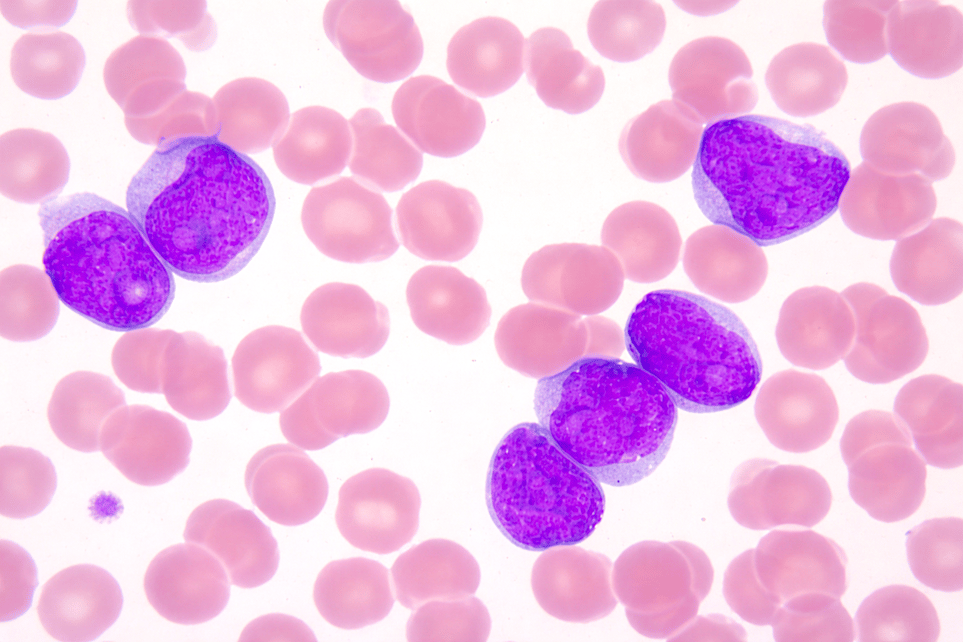
- bone marrow diseases such as aplastic anemia, myelodysplastic syndrome or leukemia
- enlarged spleen, which can bind blood cells
- congenital forms, such as cyclic or severe congenital neutropenia
There are also people who have chronically low neutrophils without being otherwise ill. In some, this is a benign variant, and the assessment must then take into account ethnic background, previous test results and whether the person actually has an infection problem or not. A single low value is rarely enough to draw any major conclusions.
How is neutropenia diagnosed?
The diagnosis almost always begins with a blood test, usually a blood count with differential count. This not only looks at the total white blood cells but also how many neutrophils are present. If the value is low, the test is often repeated to see if the decrease is temporary or persists over time.
The doctor then looks at the whole picture. How low is the ANC? How long has the neutropenia been present? Are there fevers, infections, weight loss, fatigue, night sweats or other abnormal blood values such as low hemoglobin or low platelets? The combination of several abnormal blood values increases the need for further investigation.
The investigation may include a drug review, infection tests and tests for nutritional deficiencies or autoimmunity. Examples are B12, folate, copper, liver samples, inflammation samples and sometimes analyses for viruses or autoimmune markers. In case of long-term, unexplained or pronounced neutropenia, a bone marrow test may be necessary to assess blood formation directly in the bone marrow.
Many people wonder if you can “feel” when neutrophils are low. The answer is usually no. That is why testing is so central. In mild and stable neutropenia without other abnormalities, follow-up blood tests can sometimes be the most important first step, while more severe cases require a faster and broader investigation.
When should you seek care quickly?
Timing plays a big role in neutropenia. Those who have slightly lowered values and are feeling well can often be followed up as planned, but some symptoms require rapid assessment because infection can worsen in a short time, especially with low ANC.
Seek care the same day or urgently if you have neutropenia or suspected neutropenia and experience:
- fever of 38.0 °C or more
- chills or rapid feeling of illness
- mouth ulcers with pain when swallowing
- shortness of breath or cough with clear impact
- redness, swelling or pain that indicates infection
- abdominal pain, diarrhea or pain around the rectum
This is especially true if you have recently received chemotherapy or are using medications that can affect the bone marrow. Newly discovered neutropenia with an ANC below 0.5 × 10⁹/L, or an ANC below 1.0 × 10⁹/L in combination with an ongoing infection, are situations where emergency care is often recommended.
For those who are not acutely ill, the next step is often to clarify the pattern. Is the value temporarily low after an infection, or is there a more long-term explanation? That difference can rarely be determined without blood tests over time.
What does a low neutrophil value mean in practice?
A low neutrophil value should not be interpreted in isolation. Two people with the same ANC can have completely different risk profiles depending on whether the neutropenia is new, long-term, drug-induced, or part of another disease. Therefore, both the number and the context are important.
For many, the investigation leads to a reassuring message: the value normalizes, or it is a mild form that mainly needs follow-up. For others, the blood test becomes an early signal that allows them to detect nutritional deficiencies, drug side effects or hematological diseases in time. This is where testing has a special value — not to create concern, but to replace uncertainty with facts.