Quick version
Quick guide: how to get more B12 this summer
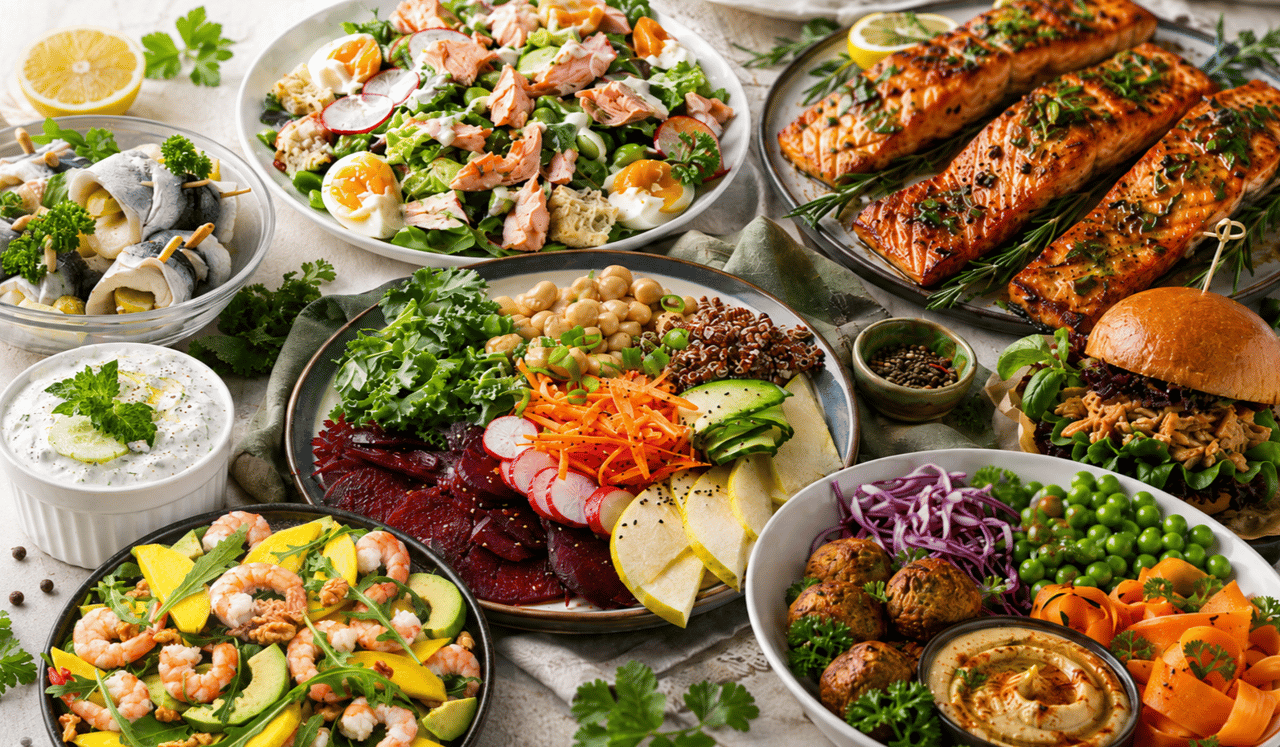
Include foods such as salmon, herring, shellfish, eggs and dairy products regularly in your meals. Vary the types of fish you eat, add yoghurt and cheese to fresh summer dishes, and choose B12-fortified foods if you follow a plant-based diet. Because vitamin B12 is found mainly in animal-derived foods, people who eat vegan may need to pay extra attention to their intake.
Here are 7 ways to get more B12 into your summer meals
1. Put salmon on the grill
Salmon is perfect for summer: it is easy to prepare, full of flavour and rich in vitamin B12. Serve it with new potatoes, herb sauce, lemon, asparagus or a crisp salad. Tasteline has plenty of simple and summery salmon recipes, including baked salmon, pan-fried salmon, grilled salmon and whole sides of salmon.
2. Keep herring on the summer menu
Herring is a classic on Swedish summer tables and a natural source of vitamin B12. It may have had a starring role at the Midsummer buffet, but there is no reason to stop eating it once Midsummer is over. Enjoy it for lunch with potatoes and eggs, or as part of a lighter summer dinner.
Why not try a matjes herring plate with new potatoes, chopped egg, apple and chives?
3. Make eggs more than just breakfast
Eggs contain vitamin B12 and are easy to include in summer meals. Boiled eggs work well in salads, on sandwiches, alongside herring or as the base of an omelette or frittata. They are also an easy way to make a lighter meal more filling, such as a summer salad with eggs, herbs and hot-smoked salmon.
4. Top your salad with prawns or other shellfish
Shellfish are a source of vitamin B12 and are especially well suited to fresh summer dishes. Prawns, mussels and crayfish can be added to salads, wraps and toast, or used as a quick topping for a hearty bowl.
For example, try a prawn salad with green beans, pine nuts and herb dressing, or an Asian-style prawn salad with mango.
5. Make the most of yoghurt, cheese and other dairy products
Milk, cheese and yoghurt are also sources of vitamin B12. During summer, they work particularly well in cold sauces, dressings, breakfast bowls and simple side dishes. A yoghurt sauce with lemon, garlic and herbs can be a great accompaniment to fish, grilled food and salads.
Tip! Try a fresh and simple mint sauce made with yoghurt, lime and fresh mint – a delicious accompaniment to both grilled dishes and vegetarian meals.
6. Vary the type of fish you eat
Fish and shellfish can be an important part of a healthy diet, and the Swedish Food Agency recommends eating fish two to three times a week. Try to vary between fatty and lean fish – for example, cod with new potatoes and herbs one day and salmon or herring another.
Looking for inspiration? Here are tips on how to grill both fish and shellfish.
7. Eating plant-based? Pay extra attention to B12
Vitamin B12 is found mainly in animal-derived foods. People who follow a vegan or largely plant-based diet therefore need to pay particular attention to their B12 intake and may need to choose B12-fortified foods or take a supplement.
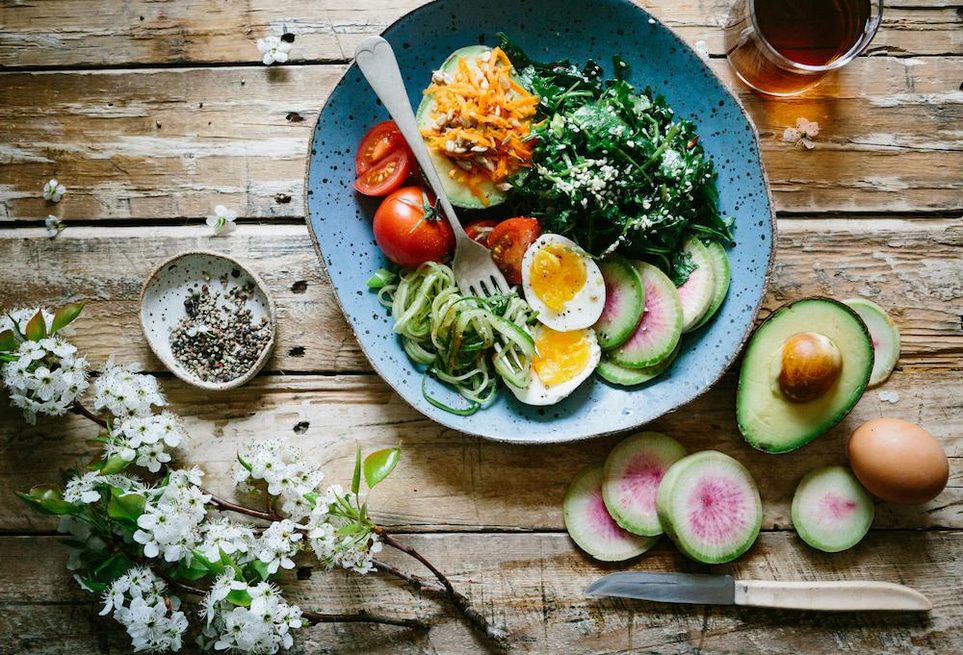
Looking for dinner inspiration? Here are ten vegetarian dinner ideas. If you eat a fully plant-based diet, consider pairing these dishes with B12-fortified foods.
When might it be a good idea to check your B12 levels?
Because the symptoms of vitamin B12 deficiency can be vague and develop gradually, it may be worth checking your levels if you experience persistent fatigue, numbness, tingling, reduced sensation or if you belong to a group with an increased risk of low B12 intake.
Vitamin B12 can be measured with a blood test, and the result can be interpreted together with your symptoms, dietary habits and other blood test results.