
Quick version
Aortic dissection means that a tear occurs in the innermost wall of the aorta, forcing blood between the layers of the vessel. The condition often causes sudden, stabbing pain in the chest, back, or abdomen and requires emergency care with surgery or blood pressure-lowering treatment. The greatest risk factor is high blood pressure, which makes regular checkups and preventive treatment crucial.
A sudden, intense pain in the chest makes many people think of a heart attack. But sometimes there is something else going on in the body's largest artery. Dissection is one such condition — uncommon, but acute and serious, and therefore important to recognize.
What is a dissection – and why is it life-threatening?
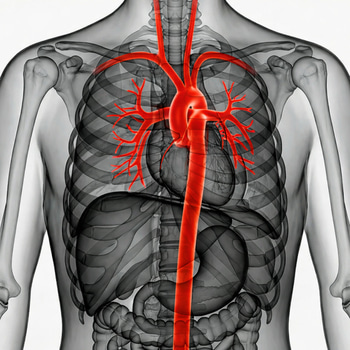
When doctors talk about dissection, they usually mean aortic dissection. It is a tear in the innermost layer of the aorta wall, so that blood is squeezed between the layers of the vessel wall and divides them. The aorta is the body's largest artery and carries blood from the heart to the rest of the body, making the condition life-threatening if not detected quickly.
Dissection can affect different parts of the aorta. A type A dissection is located in the ascending part near the heart and usually requires immediate surgery. A type B dissection is located further down in the thoracic or abdominal aorta and is in some cases treated primarily with medication and close monitoring, but may also require surgery if complications occur.
Acute warning signs - the pain you should never ignore
The most common symptom of aortic dissection is sudden, severe pain. The pain is often described as cutting, tearing or stabbing and can be felt in the chest, back, between the shoulder blades, stomach, neck or jaw depending on where in the aorta the dissection is located. The pain often comes on immediately, not gradually as with many other conditions.
Other symptoms can occur if blood flow to various organs is affected. This can cause shortness of breath, fainting, cold sweats, weakness in an arm or leg, difficulty speaking or signs of stroke. In some cases, abdominal pain, reduced blood flow to the legs or kidney damage occur.
The tricky thing is that the symptoms can resemble other acute conditions. A person may think it is a backache, gallstones or a heart attack. Therefore, the combination of sudden onset and severe pain is an important warning sign that should always be taken seriously.
Seek emergency help immediately if you or someone close to you experiences:
- sudden severe pain in the chest, back or stomach
- fainting or pronounced shortness of breath
- new neurological symptoms such as speech difficulties, visual disturbances or one-sided weakness
Causes and risk factors - hidden fragility in the vessel wall
Dissection most often occurs when the vessel wall is already weakened or exposed to high pressure. The most common risk factor is high blood pressure, which puts a strain on the aortic wall for a long time. Also atherosclerosis, already known aortic aneurysm and congenital changes in the aortic valve or aorta increase the risk.
There are also hereditary connective tissue diseases that make the vascular wall more fragile, such as Marfan syndrome, Loeys-Dietz syndrome and some forms of Ehlers-Danlos syndrome. In younger people with dissection, genetic causes or congenital vascular changes are therefore more often looked for. First-degree relatives may in some cases need to be investigated with imaging diagnostics and sometimes genetic assessment.
Other known risk situations are pregnancy, cocaine use and very severe increases in blood pressure, for example during heavy, intensive strength training in people who already have increased vulnerability in the aortic wall. The risk also increases with age, and the condition is more common in men than in women.
For many, the questions only begin afterwards: “Could I have known?” A dissection often does not give any warning symptoms in advance. However, long-term untreated high blood pressure, heredity for aortic disease or previously discovered aneurysm can be signals that the risk needs to be assessed earlier.
How to make a diagnosis when every minute counts
Suspicion is first raised by the picture of the disease: sudden severe pain, affected general condition and sometimes neurological symptoms or a difference in pulse and blood pressure between the arms. The doctor examines the heart, blood vessels and nervous system and quickly decides whether aortic dissection must be ruled out. Since the condition can resemble several other acute illnesses, rapid imaging is often needed.
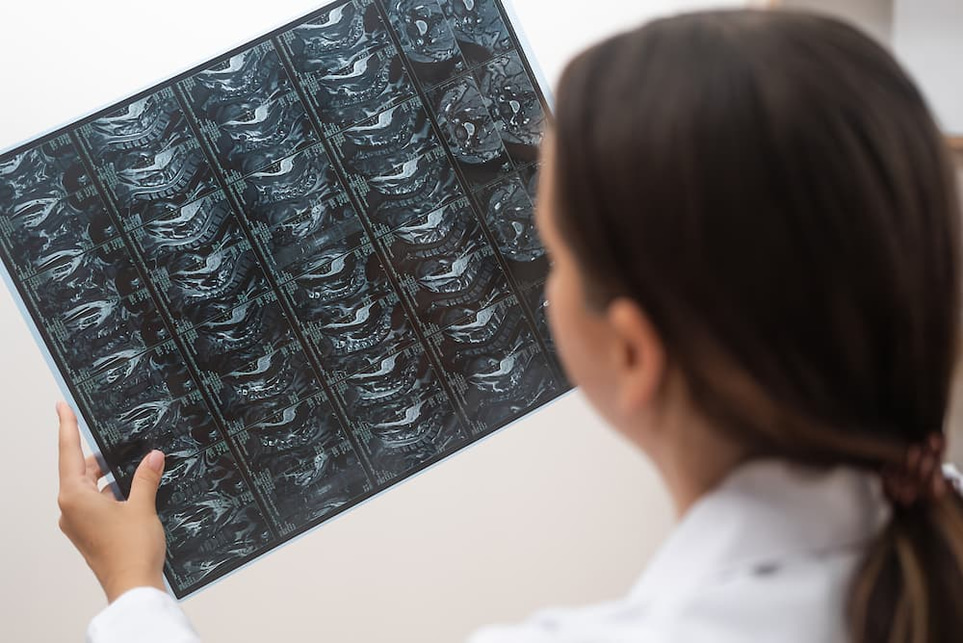
The most important examination is usually computed tomography with contrast of the aorta, known as CT angiography. It can show where the rupture is located, how far the dissection extends and whether blood flow to other organs is affected. In some situations, ultrasound via the esophagus or MRI is also used, but CT is often the first choice in emergency situations.
Blood tests can be taken as support, but no blood test alone can confirm or rule out dissection. An ECG is often done because the symptoms can resemble a heart attack, and sometimes the doctor needs to quickly distinguish between these conditions because the treatment looks completely different.
If dissection is found, the investigation continues to assess complications. Among other things, they look at whether the heart is affected, whether the aortic valve is leaking, whether there are signs of internal bleeding and whether the kidneys, intestines or bones are getting enough blood. This information determines which treatment is safest.
From emergency surgery to lifelong monitoring
Treatment begins immediately by reducing the load on the aorta. The patient receives pain relief and medications that lower the heart rate and blood pressure, since high pressure can make the dissection worse. This is a central part of the treatment regardless of the type of dissection.
In the case of type A dissection, emergency surgery is usually needed. The surgeon then replaces the damaged part of the aorta with an artificial vessel and, if necessary, also repairs the aortic valve or other nearby structures. The goal is to prevent rupture, cardiac tamponade, stroke and other life-threatening complications.
In the case of uncomplicated type B dissection, the first treatment is often medical: careful blood pressure control, monitoring and repeated imaging checks. However, if the dissection causes severe pain despite treatment, threatens blood flow to organs or is at risk of rupture, an endovascular procedure may be needed in which a stent graft is inserted through the blood vessels to cover the damage from the inside.
After the acute phase, long-term follow-up is needed. Many people need lifelong blood pressure treatment and regular check-ups with imaging to monitor the aorta over time. Those with a hereditary connective tissue disease or a family history of aortic disease may also need special follow-up and sometimes family screening.
Prevent in time - this is how you protect your blood vessels
Dissection cannot be detected with a regular blood test before it occurs. However, several of the most important risk factors can be found and treated in time, especially high blood pressure and high blood lipids. For those who have a hereditary predisposition to aneurysm, dissection or early cardiovascular disease, there may also be reasons to discuss further investigation with a doctor.
If you know you have high blood pressure but don't really follow it up, it's wise to take it more seriously than many people do. The aorta is affected by blood pressure every minute, every day. Keeping your blood pressure well-controlled is one of the most concrete measures to reduce the risk of future vascular damage.
For some people, a health check is the starting point. High blood pressure, elevated blood fats, impaired kidney function or signs of metabolic disorders are not always clearly visible in everyday life, but can still contribute to increased strain on the vessels. If the values deviate, you can proceed with targeted care contact, blood pressure measurement at home or additional examinations. This is particularly relevant if you also have close relatives with aneurysm, stroke or sudden cardiovascular event.
Dissection reminds us of how quickly a vascular condition can change from a silent risk to an acute illness. That is why preventive work is not just a matter of future statistics, but about giving the body better margins before something happens.