Quick version
Liver diseases such as fatty liver, hepatitis and early cirrhosis often develop insidiously and initially only cause diffuse signs such as fatigue or pressure under the right rib. Clearer warning signs include jaundice, dark urine, severe itching, bruising and a swollen abdomen (ascites). Since damage is often caused by factors such as obesity, type 2 diabetes and medications – not just alcohol – simple blood tests and early investigation are crucial to ensure that the liver has time to recover.
Many people only think about the liver when tests are abnormal or when a doctor mentions alcohol, fatty liver or hepatitis. But the liver can be burdened for a long time without clear signals. Once symptoms are noticed, it is often a matter of the body already trying to compensate for impaired liver function.
Signs that the liver is feeling bad
The liver performs several vital tasks at the same time: it breaks down drugs and alcohol, helps the body metabolize nutrients, forms important proteins and takes care of waste products. Therefore, signs that the liver is feeling bad can look very different, from diffuse fatigue to jaundice, itching or swelling in the stomach. At the same time, it is common for early liver disease to not produce any clear symptoms at all, especially in the case of fatty liver, chronic hepatitis and early cirrhosis.
Early signs of liver disease can be vague
A common patient question is: “Can you feel if your liver is bad?” The answer is often no, at least not in the beginning. Many liver diseases develop insidiously, and the first signals are non-specific: fatigue, poor appetite, nausea or a general feeling that the body is not functioning as usual.
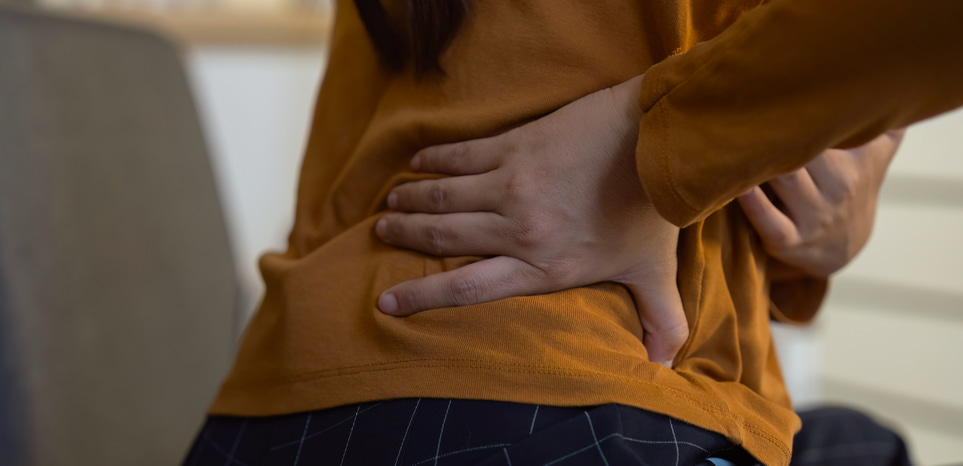
You may also feel discomfort or pressure under the right rib cage, where the liver is located. This does not automatically mean that the liver is damaged, but in the case of fatty liver, for example, the liver may be enlarged and give such a feeling. Fatty liver is especially common in people with obesity, type 2 diabetes, high blood lipids, and high blood pressure. The problem is that the same symptoms can also be caused by stress, lack of sleep, viral infections, thyroid disorders, or other common conditions. Therefore, it is not possible to determine liver health based solely on how you feel. In the case of prolonged fatigue or recurring upper abdominal discomfort, blood tests can provide a clearer picture. Jaundice, dark urine, and itching are more obvious warning signs. When the liver or bile ducts do not process bilirubin normally, the skin and whites of the eyes can turn yellow. It is called jaundice or icterus. Bilirubin is a yellowish substance that is formed when old red blood cells break down, and is normally taken care of by the liver and excreted via bile.
Jaundice often comes with other changes, such as dark urine and sometimes light or grayish stools. Some also experience severe itching, especially if the flow of bile is affected. The itching can be worst at night and disturb sleep, even when the skin looks relatively normal.
These are symptoms that should be taken seriously. They can occur in acute hepatitis, drug-induced liver damage, cholestasis and more advanced liver disease. If you suddenly turn yellow in the whites of your eyes or notice that your urine has become noticeably dark without any other explanation, you should seek medical attention for an assessment.
When liver damage becomes more advanced, the whole body is affected
In more severe liver disease, the liver's reserve capacity is no longer sufficient in the same way. You may then develop swelling in your stomach, known as ascites, which is caused by fluid accumulating in the abdominal cavity. Some people notice that their pants suddenly fit tighter over their stomach even though their weight has not increased much.
Legs and ankles may also swell. At the same time, muscle mass may decrease and their energy may decrease. It is not uncommon for people with advanced liver disease to look both slimmer in the arms and legs and more swollen over their stomach.
The liver also produces proteins that are needed for blood clotting. When liver function fails, you may bruise more easily or bleed more than usual. In more severe cases, there may be a risk of bleeding from varicose veins in the esophagus, which may manifest as vomiting blood or black stools. These are acute alarm symptoms.
The brain may also be affected. In advanced cirrhosis, waste products that the liver normally handles can affect concentration, sleep patterns, reaction time and, in severe cases, level of consciousness. Relatives sometimes notice the change first, for example that the person becomes unusually forgetful, confused or has a changed personality.
Common causes of liver problems
Many people want to know if liver problems are always due to alcohol. They don't. In Sweden and internationally, fatty liver, linked to obesity, insulin resistance and type 2 diabetes, is a very common cause of elevated liver values, and early fatty liver often does not cause any clear symptoms.
Other causes are viral hepatitis, especially hepatitis B and C, and drug-induced liver damage. Over-the-counter medicines and herbal remedies can also put a strain on the liver in some cases. That is why the doctor often asks about everything you are taking, not just what is prescribed.
Long-term high alcohol consumption increases the risk of inflammation, fibrosis and ultimately cirrhosis. But even those who drink little or nothing at all can develop significant liver disease. Therefore, you should not dismiss abnormal liver tests by saying "I barely drink".
Sometimes liver disease is first detected through tests, even though the person feels healthy. This is common with chronic hepatitis and early stages of fibrosis or cirrhosis. This is precisely why a health check can be valuable if you have risk factors such as obesity, diabetes, high blood fats, regular alcohol consumption or medications that affect the liver.
When should you seek care and what tests are usually taken?
You should seek care more quickly if you experience clear warning signs such as yellow skin or yellow whites of the eyes, dark urine, severe itching, vomiting blood, black stools, new confusion or rapidly increasing abdominal swelling. These symptoms may indicate that the liver or biliary tract are affected in a way that needs to be assessed urgently.
For less acute problems, it is often enough to book a medical assessment or take tests. Common blood tests are ALT and AST, which can increase with liver cell irritation, as well as ALP, GT and bilirubin, which can provide clues about bile flow and liver function. They are often supplemented with albumin and PK(INR), as they better reflect how well the liver is still functioning. Elevated liver enzymes alone do not indicate how serious the damage is.
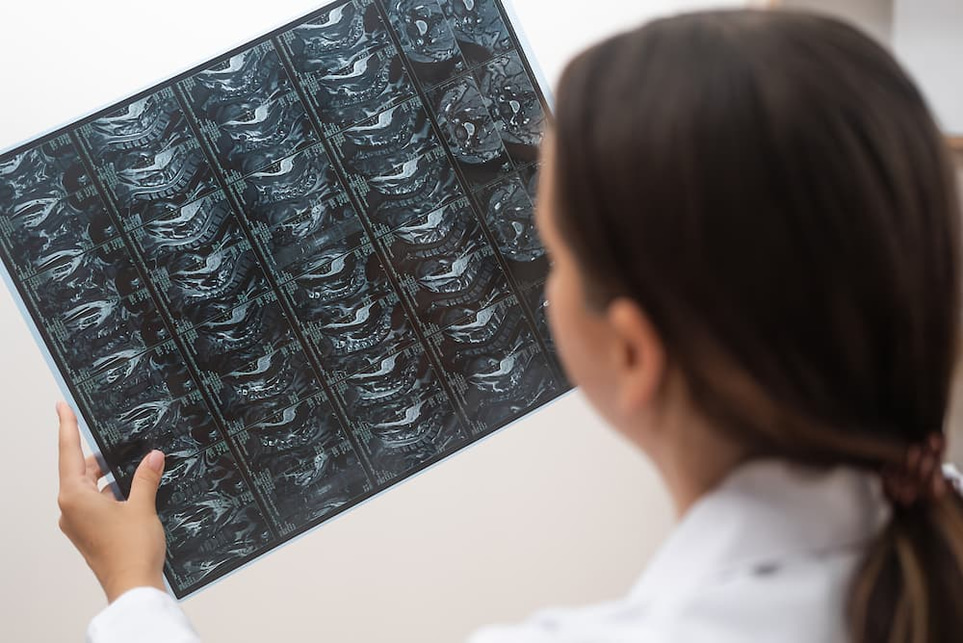
Depending on the test results, the next step may be ultrasound or elastography, an examination that estimates how stiff the liver is and thus the degree of fibrosis. It is used, among other things, in cases of suspected chronic liver disease and cirrhosis. If the cause is unclear, the doctor can also investigate hepatitis, iron overload, autoimmune liver disease or drug side effects.
There is also a lot you can influence yourself. In the case of fatty liver, weight loss, better blood sugar control, physical activity and reduced alcohol consumption are central measures. The liver has a good ability to recover if the load is reduced in time.
The liver often signals late, but it also often responds well when the cause is identified early. Therefore, the next step is rarely to guess more about the symptoms at home, without finding out what the values actually look like.