Quick version
Glaucoma is a group of eye conditions that gradually damage the optic nerve, often due to increased pressure in the eye, which progressively shrinks your field of vision from the edges. Because the brain compensates for the loss, the disease is frequently detected late. Early detection through an eye exam is critical, as treatment with eye drops, laser, or surgery can slow down progression but cannot restore lost vision. Acute angle-closure glaucoma is an exception, causing sudden, severe pain and requiring immediate medical care.
Many people think that vision loss is noticeable immediately. But glaucoma is often a disease that develops slowly and almost silently. You can see clearly straight ahead and still gradually lose parts of your field of vision at the edges, without noticing it yourself. That is why glaucoma is often only discovered during an eye examination or when the damage has already become apparent. Glaucoma is a group of diseases that damage the optic nerve and can lead to permanent vision loss or blindness if it is not detected and treated in time. Early detection is crucial, as the damage cannot be repaired afterwards.
What is glaucoma?
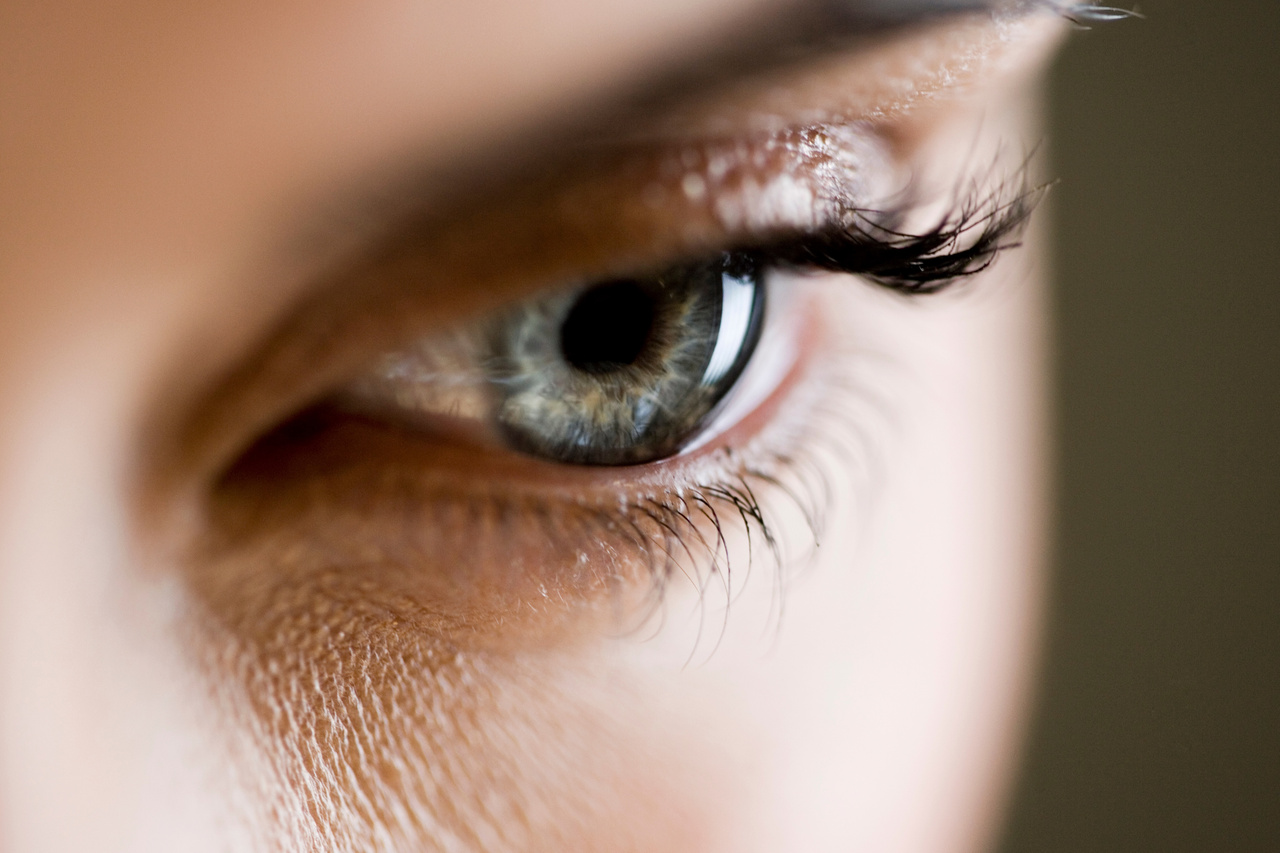
Green cataract, or glaucoma, is not a single disease but a collective name for conditions in which the optic nerve is damaged. The optic nerve acts as the cable that sends visual impressions from the eye to the brain. When the nerve fibers are gradually damaged, the field of vision shrinks, often first in the periphery. Later, central vision can also be affected.
The most common form is open-angle glaucoma. In this case, the pressure in the eye rises or puts strain on the optic nerve over time, usually slowly over months or years. Another form is narrow-angle glaucoma, which in some cases can cause an acute increase in pressure with severe symptoms and the need for immediate care. There is also normal-tension glaucoma, where the optic nerve is damaged even though the eye pressure is not clearly elevated.
It is important to distinguish glaucoma from cataracts. Cataracts involve clouding of the eye's lens and can often be removed surgically. Glaucoma is instead about damage to the optic nerve, and this damage cannot be reversed.
Why is glaucoma called the silent loss of vision?
What makes glaucoma so tricky is that the disease often does not cause any early symptoms at all. In open-angle glaucoma, the field of vision can gradually decrease without you noticing it in everyday life. The brain compensates for a long time, and the other eye can mask changes in the first. That's why many people feel completely free of problems even though the damage has already begun to develop. It is usually found during routine eye examinations, often before the person themselves notices any symptoms, and about half of all people with glaucoma do not know that they have the disease.
A common question is: "If I can see well, can I still have glaucoma?" The answer is yes. You can have good reading vision and still have incipient damage in the outer areas of the visual field. That's why it's not always enough to "feel" for yourself whether your vision is normal.
Symptoms of glaucoma - what should you pay attention to?
With chronic open-angle glaucoma, the most common thing is the absence of clear symptoms in the beginning. When symptoms are noticed, they may include:
- poorer orientation in the dark
- harder to spot things from the side
- often bumping into objects or missing steps
- gradually worsening field of vision
Glaucoma is described as a disease in which the field of vision slowly shrinks, and it is often common not to notice the symptoms until the damage has become more severe.
In an acute narrow-angle attack, the picture looks completely different. Then the symptoms can come on quickly and be dramatic:
- severe pain in one eye
- red eye
- blurred vision or sudden reduced vision
- colored rings around lights
- headache
- nausea and vomiting
This is an acute condition. Seek immediate medical attention if you experience sudden pain and decreased vision in one eye or if you see colored rings around light sources.
Who is at increased risk of developing glaucoma?
Glaucoma can affect anyone, but the risk is clearly increased by certain factors. The most important are:
- increasing age
- heredity, especially if a parent or sibling has glaucoma
- increased eye pressure
- diabetes
- certain anatomical conditions in the eye, such as narrow chamber angles
- in some groups also specific ethnic background, which is important in international guidelines
People over 50 years of age with a parent or sibling who has glaucoma should have their eyes examined at regular intervals. Among other things, eye pressure, central corneal thickness, family history and life expectancy are factors in the risk assessment. The risk is higher in older age, family history and diabetes.
Many people ask: “Can high blood pressure, blood sugar or lifestyle play a role?” Indirectly yes. Diabetes is a clear risk factor, and good control of blood suger, blood pressure and other cardiovascular risk markers is important for overall vascular and eye health. Healthy lifestyle habits such as physical activity, smoking cessation and control of blood pressure and weight are recommended as part of reducing the risk of vision loss.
How is glaucoma diagnosed and treated?
Glaucoma cannot be diagnosed with a blood test, but requires an eye examination when eye pressure, visual field and optic nerve are examined to make a diagnosis.
Treatment aims to lower eye pressure and slow down further damage. Since lost vision cannot be restored, early detection is crucial.
Common forms of treatment are:
- Eye drops that lower the pressure.
- Laser treatment or surgery if drops are not enough.
Glaucoma usually requires regular check-ups and long-term treatment.
When should you seek care or have yourself checked?
You should book a vision or eye examination if you:
- are over 50 years old and have a close relative with glaucoma
- have been told that you have elevated eye pressure
- have diabetes or other risk factors
- experience that your field of vision feels worse
- notice new blurred vision or uncertainty in everyday life
You should seek emergency care immediately if you suddenly experience pain in one eye, red eye, rapidly deteriorating vision or see rainbow-colored rings around light.