Quick version
Having elevated TPO antibodies but normal hormone levels means that the immune system is reacting to the thyroid gland, without the hormone production being affected yet. It is a marker for an increased risk of developing hypothyroidism in the future, but does not mean that you need treatment here and now. In these cases, any symptoms such as fatigue are often due to other factors, such as stress or nutritional deficiency. Therefore, no medication is needed at this stage, but the right action is to regularly check the TSH value – usually 1–2 times per year – to follow the development over time.
Elevated TPO antibodies but normal thyroid hormones are a common and confusing test situation. Many people hear the word Hashimoto's and immediately think of lifelong treatment, fatigue and a thyroid that has already stopped functioning. But it is not always that simple.
TPO antibodies are elevated but hormones are normal - do I have Hashimoto's?
When TPO antibodies are elevated but TSH and free T4 are still within the reference range, it is usually a case of autoimmune activity against the thyroid gland without the hormone production itself having been affected yet. It may fit with early Hashimoto's thyroiditis, but the test result does not automatically mean that you already have a disease that requires treatment.
TPO stands for thyroid peroxidase, an enzyme that the thyroid gland uses to produce hormones. TPO antibodies are antibodies directed against this enzyme. They therefore function more as a marker that the immune system is reacting to the thyroid gland than as a measure of how well or poorly the gland is functioning at the moment.
In practice, this means that two things can be true at the same time: you can have signs of Hashimoto's, and you can still have completely normal hormone levels. That is why doctors distinguish between antibodies, hormone tests and symptoms when assessing what a finding actually means.
What do the test results mean in practice?
The most common is that the test results reflect an increased risk of future hypothyroidism, i.e. underfunction of the thyroid gland, rather than a need for treatment here and now. Many people with positive TPO antibodies are so-called euthyroid, which means that the thyroid gland is still working normally.
It is also important to know that TPO antibodies are not entirely unique to Hashimoto's. They can occur in people without a clear hormonal disorder, and the size of the level does not say for sure how you feel or exactly when any underfunction will develop. Therefore, it is not possible to make the entire diagnosis based on a single antibody test.
A common example is someone who is seeking treatment for fatigue and is more cold than others. If the TPO antibodies are then elevated but TSH and free T4 are normal, it is advisable to monitor the development over time rather than starting levothyroxine immediately. People with high antibodies but normal thyroid function should not normally be treated with thyroid hormone solely because of the antibodies.
Do I have Hashimoto's if TSH and T4 are normal?
The answer is often: maybe, but not necessarily in a clinical sense. Hashimoto's is an autoimmune inflammation of the thyroid gland that over time can lead to hypothyroidism. Early in the course, antibodies may be positive while TSH and free T4 are still normal.
Some doctors use the term “early” or “euthyroid Hashimoto’s” when antibodies are present but hormone tests are still normal. Others are more restrictive and want to see the impact on TSH, clear ultrasound findings, or a comprehensive clinical picture before fully using the diagnosis. What is important for you as a patient is less the label and more what it means for follow-up and risk going forward.
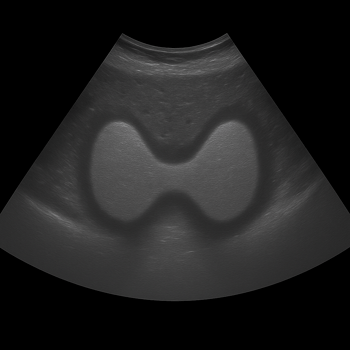
Ultrasound can sometimes show a typical uneven or low-echoic structure that supports autoimmune thyroiditis, but ultrasound is not routinely done just because TPO antibodies are positive if thyroid function is normal and there is no nodule, enlarged thyroid, or suspicion of another disease. Ultrasound is primarily used when the clinical assessment provides grounds to investigate goiter or suspected malignancy.
What symptoms can one have despite normal hormones?
This is where many of the most difficult questions arise. You can have symptoms such as fatigue, brain fog, dry skin, constipation or feeling cold and still have normal hormone levels. This does not mean that the symptoms are imaginary, but it does mean that they cannot be safely explained by a measurable thyroid deficiency.
Symptoms that resemble hypothyroidism are also common in other conditions. Examples include iron deficiency, B12 deficiency, sleep deprivation, stress, depression, perimenopause, or other autoimmune diseases. Therefore, the test result needs to be put into a larger context rather than being the sole explanation for everything you feel. There is also no strong support for treating normal thyroid tests with levothyroxine just because you have symptoms and positive antibodies. If hormone levels are normal, treatment usually does not provide a definite benefit, while the right next step is often to monitor TSH over time and at the same time look for other common causes of the symptoms.
How big is the risk of developing hypothyroidism?
Positive TPO antibodies increase the risk of future hypothyroidism, but the development varies greatly between different people. The annual risk of developing hypothyroidism in women with positive TPO antibodies but normal TSH is approximately 2.1 percent. The risk is higher if TSH is already in the upper part of the reference range or begins to rise.
This does not mean that everyone with elevated TPO antibodies will sooner or later develop hypothyroidism. Some remain stable for many years. Others gradually go from normal values to subclinical hypothyroidism, where TSH rises but free T4 is still normal, and only later to clear hypofunction.
There are some situations where follow-up is especially important:
- if TSH is already high within the reference range or is slightly elevated
- if you are planning a pregnancy or are pregnant
- if you have recently given birth
- if you have another autoimmune disease, such as type 1 diabetes or celiac disease
- if you have clear symptoms or an enlarged thyroid gland
In pregnancy, the issue becomes more sensitive. Euthyroid women with positive TPO antibodies have an increased risk of developing hypothyroidism during pregnancy and also postpartum thyroiditis after childbirth, which justifies more frequent monitoring of thyroid tests during these periods.
When is treatment or new testing needed?
If the TPO antibodies are elevated but TSH and free T4 are normal, treatment with levothyroxine is usually not needed. What is usually monitored is primarily TSH, sometimes together with free T4, since it is the hormone function that determines whether treatment is appropriate.
It is recommended to check TSH approximately once or twice a year if antibodies are positive and function is normal, or earlier if symptoms change. During pregnancy, pregnancy planning or after childbirth, more frequent checks may be needed.
Treatment usually only becomes relevant when the tests show hypothyroidism or sometimes subclinical hypothyroidism in certain situations, for example in the case of clearly elevated TSH, pregnancy or specific symptom and risk profiles. A single antibody finding is therefore rarely sufficient reason for medication.
Many people also ask about dietary supplements, especially selenium. It has been shown that selenium can lower antibody levels, but the clinical benefit for symptoms and long-term disease development is still uncertain. Therefore, there is no obvious standard advice for everyone with elevated TPO antibodies.
A more practical focus is to follow the hormone tests and at the same time think broadly about health. If you are tired, it may be reasonable to also assess, for example, ferritin, B12, folate, blood sugar and sometimes vitamin D depending on symptoms and background. For many, it is precisely the combination of several values that provides an understandable answer.
Learning that the immune system is reacting to the thyroid gland can feel like the beginning of something inevitable. But the test result is more often a signal to follow your body smartly than a message that it has already stopped functioning. The correct interpretation is therefore less about getting stuck on the word Hashimoto's and more about seeing how your values develop over time.