Quick version
Intermittent claudication is a common vascular disease that causes pain in the legs when walking due to reduced blood flow to the muscles. This guide explores hidden symptoms, underlying causes, and how the condition is investigated and treated to protect the vascular health of the entire body.
Having to stop after a short walk to relieve calf pain is easy to dismiss as poor fitness, stiffness or “normal aging”. But when the pain occurs at approximately the same distance of walking, disappears after a few minutes of rest and then returns, there is a more specific pattern behind it. Claudication is caused by a vascular disease – it is common, often underestimated and closely linked to how the blood vessels in the rest of the body are doing.
Have you suffered from claudication? Here are common symptoms and what causes it
Claudication is called intermittent claudication in medical terms and is the most common symptom of peripheral artery disease in the legs. It is a vascular disease that means you have reduced blood flow to the muscles in your legs. When you exert yourself, the blood flow is not enough, usually due to narrowing of the arteries.
The name refers to the fact that the person who experiences pain often needs to stop while walking and pretend to look in a shop window until the pain passes. The discomfort is most often felt in the calf, but the pain can also be in the thigh, buttock or foot depending on where the narrowing is.
The pain does not occur because the muscle is “weak”, but because it temporarily receives too little oxygen when the need increases. When you rest, the need for oxygen decreases, and the pain then subsides within a few minutes.
Common symptoms of window peeping sickness
The most classic symptom of window peeping sickness is cramping, pressing or aching pain in one or both legs when walking. You often notice that the symptoms come on faster when going uphill or when walking fast, as the muscles then require more blood.
Many describe that they “always have to stop at the same lamppost” or that they can only walk a certain distance before their leg gives out.
Other symptoms that may occur are:
numbness or a feeling of weakness in the leg
cold feet, especially if one foot feels colder than the other
slow-growing or brittle toenails
hair loss on the lower legs
shiny, thin or pale skin on the legs or feet
slow-healing sores on the toes or feet
It is also common for peripheral artery disease to not cause any obvious symptoms at all. Some people experience reduced walking ability without experiencing the classic cramp, while others gradually reduce their activity and therefore do not notice how much their energy has actually changed.
What causes window-peeping disease?
The most common cause is atherosclerosis, also called atherosclerosis. This is when fat, inflammatory cells and connective tissue are deposited in the vessel wall so that the artery becomes narrower and stiffer. When the blood vessel can no longer increase blood flow sufficiently, symptoms occur when straining.
The same process can affect several parts of the body at the same time. Those who have oculomotor neuropathy therefore not only have a local problem in their legs, but also an increased risk of myocardial infarction, stroke and other cardiovascular diseases.
The risk of developing the condition increases especially with:
smoking or previous long-term tobacco use
diabetes
high blood pressure
high blood fats
older age
kidney disease
heredity for cardiovascular disease
Smoking is one of the strongest modifiable risk factors. Diabetes is also central, since prolonged elevated blood sugar damages blood vessels and increases the risk of both narrowing and poor wound healing.
When is it sciatica – and when is it something else?
Not all leg pain when walking is sciatica. Osteoarthritis in the knee or hip often causes more pain near the joints and stiffness, especially at the beginning of movement or after straining. Nerve damage from the lower back can cause radiating pain, tingling or numbness that is sometimes relieved when bending forward or sitting down.
In sciatica, the pain is more often located in the muscle, occurs with exertion, is relatively predictable and goes away after a short rest. This connection between walking distance and symptoms is diagnostically important.
Seek medical attention urgently if you experience pain in your foot or leg even when resting, especially at night, or if you develop wounds that do not heal. The same applies if the leg suddenly becomes cold, pale, very painful or if sensation and strength deteriorate rapidly. In this case, blood circulation may be seriously threatened.
How is oculomotor neuropathy investigated and treated?
The investigation begins with a medical history and examination of pulses in the legs. A simple and well-established test is the ankle-brachial index, ABI, where the blood pressure at the ankle is compared with the blood pressure in the arm. A low value indicates impaired blood flow to the legs.
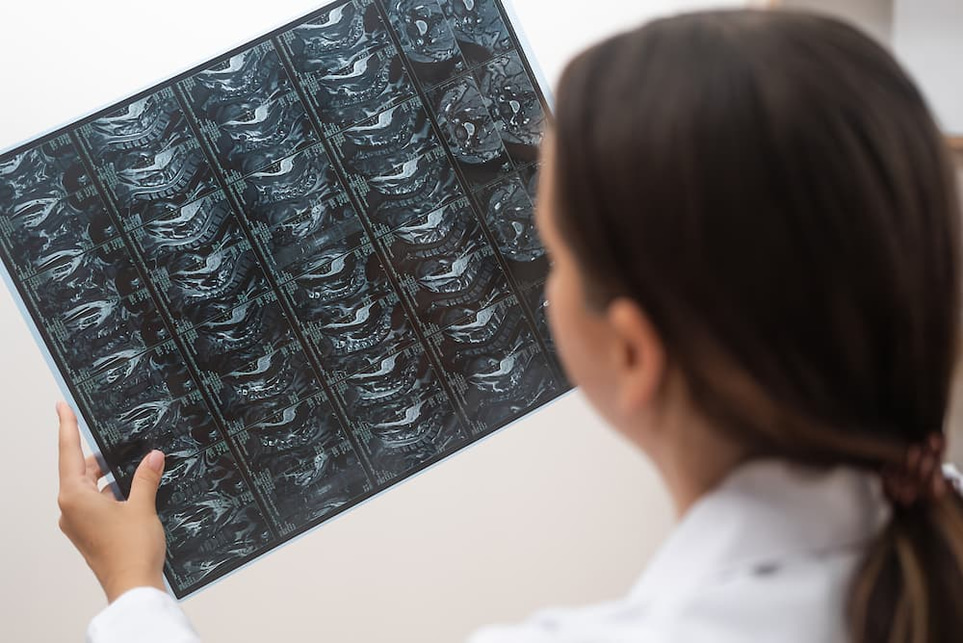
If necessary, further tests are performed with ultrasound of the vessels or imaging diagnostics such as computed tomography or MRI angiography. The aim is to see where the narrowing is located and how severe it is, especially if treatment in addition to lifestyle measures is being considered.
Treatment often consists of several parts at the same time. The goal is both to reduce symptoms and to protect the heart, brain and blood vessels in the long term.
Common treatment interventions are:
Smoking cessation
Structured walking training or supervised exercise
Treatment of blood pressure, blood lipids and blood sugar
Antiplatelet drugs when medically indicated
Statin treatment to reduce vascular risk
Vascular intervention or surgery if symptoms are severe or quality of life is clearly affected despite other treatment
Walking training is more effective than many people think. When you exercise regularly near the pain threshold, the muscles' oxygen use and the body's ability to utilize alternative small vessels improves. This does not mean that the narrowing “disappears”, but that the function can be significantly improved.
Balloon dilation, stent or bypass procedures are particularly relevant when the symptoms are clearly life-limiting despite the best medical treatment and exercise, or when the circulation is so poor that the tissue is at risk of damage.
When should you check your values?
Poor blood pressure is often the first visible sign of a more widespread vascular disease. Therefore, it is not enough to just focus on the leg that hurts. You also need to get a picture of the risk factors behind it.
It is especially wise to check your values if you experience typical gait-related leg pain and at the same time smoke, have diabetes, high blood pressure, high blood fats or a hereditary predisposition to cardiovascular disease. The same applies if you notice that your walking distance has become shorter without a clear other explanation.
A health check cannot diagnose vascular disease in itself, but it can identify things that drive the disease process such as blood fats, blood sugar and other markers linked to cardiovascular risk. For many, this becomes the starting point for seeking further investigation in time, before the symptoms become more advanced.
The most crucial thing about vasculitis is not just how far you can walk today, but what the symptom says about your blood vessels in general. A leg that protests while walking can be the body's early warning signal about something that can be influenced.