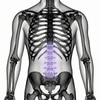

Quick version
What is Myelitis?
Myelitis is a collective term for inflammation of the spinal cord. The spinal cord is the large "nerve cable" that runs inside the spinal column and conveys signals between the brain and the rest of the body. When the spinal cord becomes inflamed, the protective coating (myelin) around the nerve fibers is damaged, which disrupts signal transmission. The term Transverse Myelitis is often used when the inflammation extends across the entire width of the spinal cord at a certain level. Depending on where the inflammation is located, different parts of the body below the injury are affected:
- Cervical spine: Can affect both arms and legs (tetraplegia/quadriplegia).
- Thoracic spine: Affects the legs and trunk (paraplegia).
- Lumbar spine: Affects the legs and pelvic organs.
Common Symptoms of Myelitis
Symptoms of myelitis can develop very rapidly, from a few hours to a few days. They vary depending on the location and extent of the inflammation. Here are common signs:
Sensation and Pain
- Pain: Often the first symptom, localized to the back or as a radiating pain around the chest or abdomen (like a "belt").
- Sensory loss: A clear boundary on the body below which the sensation of touch, pain, and temperature is reduced or completely absent.
- Paresthesia: Tingling, numbness, burning sensations, or a feeling that the skin is "tight." These sensory changes often appear below a clearly defined level on the body (a so-called sensory level).
Motor Function and Mobility
- Weakness: A rapidly increasing loss of strength in the legs (and sometimes arms) that can lead to paralysis.
- Bladder and bowel problems: Difficulty urinating, urinary incontinence, or constipation/fecal incontinence.
- Muscle spasms: Involuntary twitching or stiffness in the muscles below the inflamed level.
Why do people get Myelitis?
The causes of myelitis can be many, and sometimes an exact cause cannot be determined (idiopathic myelitis):
- Infections: Viruses (e.g., enterovirus, herpes virus, West Nile virus) or bacteria can either directly infect the spinal cord or trigger an immune reaction.
- Autoimmune diseases: The immune system mistakenly attacks the spinal cord. Myelitis can be a part of other diseases such as MS (multiple sclerosis), Neuromyelitis optica (NMO), or systemic lupus erythematosus (SLE).
- Vaccinations: In very rare cases, a vaccination can trigger an abnormal immune reaction leading to myelitis.
When should you seek care?
Seek emergency medical care if:
- You experience rapidly increasing weakness or paralysis in your arms or legs.
- You suddenly lose sensation in a part of your body.
- You have problems controlling urine or stool.
- You experience a sharp, belt-like pain around your torso.
How to find out if you have Myelitis
If myelitis is suspected, an immediate investigation by a neurologist is required. This includes a thorough neurological examination of strength, reflexes, and sensation. Often, a spinal fluid test (lumbar puncture) is also performed to look for signs of inflammation and infection.
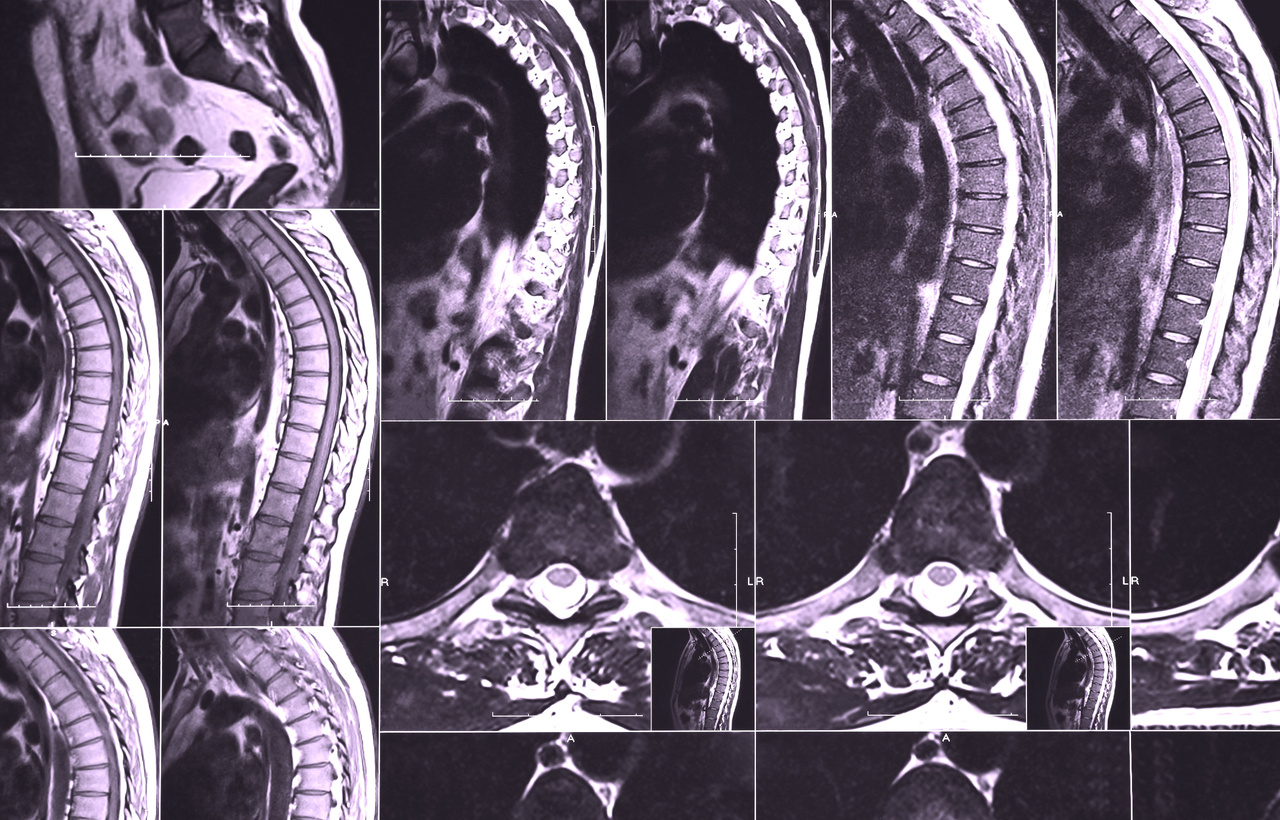
The most important diagnostic method is an MRI (magnetic resonance imaging) of the spinal cord. With MRI, the inflammation inside the spinal cord can be clearly seen, its extent and level assessed, and other causes of the symptoms, such as herniated discs or tumors pressing on the spinal cord, can be ruled out. This is critical for quickly initiating the correct treatment (often high doses of cortisone) and limiting permanent nerve damage.