Quick version
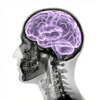
The brain is part of the central nervous system and functions as the body’s main control and information-processing organ. It is protected within the skull and receives, interprets and sends information through an extensive network of nerve cells. The brain makes it possible to think, remember, speak, feel, move and orient ourselves, while also regulating basic functions such as wakefulness, breathing and parts of the body’s hormonal control.
The anatomy and different parts of the brain
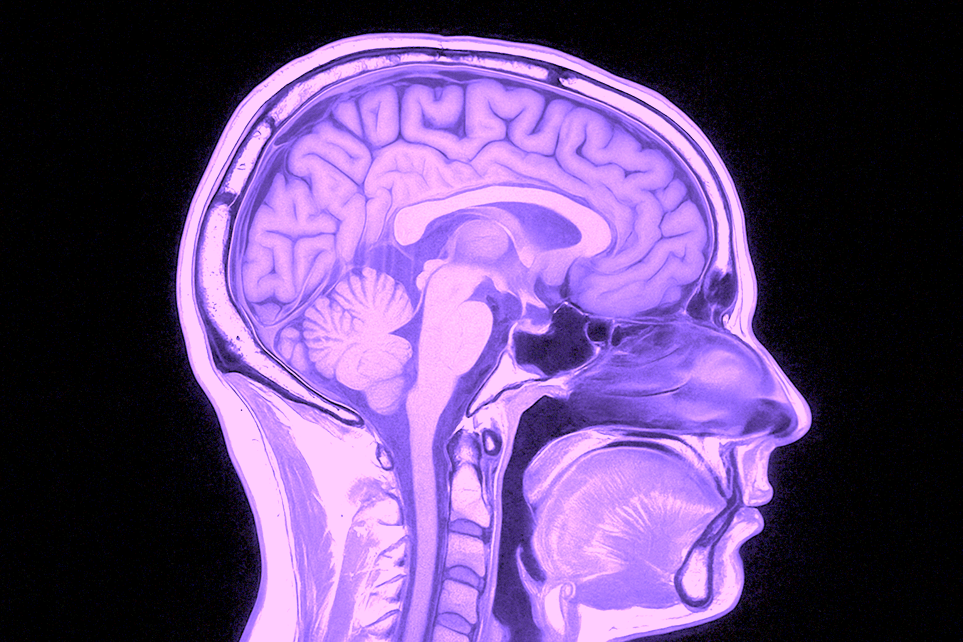
The brain consists of several regions with different but closely interconnected functions. The main larger parts are the cerebrum, cerebellum and brainstem. The brain is also surrounded by the meninges and lies within the skull together with blood vessels and cerebrospinal fluid.
The cerebrum
The cerebrum is the largest part of the brain and consists of two cerebral hemispheres. The outermost layer is the cerebral cortex, where many advanced functions are processed. Anatomically, the cerebrum is divided into several lobes, including the frontal, parietal, temporal and occipital lobes.
The frontal lobe is involved in functions such as planning, decision-making, personality, speech production and voluntary movement. The parietal lobe processes sensations and information about the body’s position. The temporal lobe is important for hearing, memory and aspects of language comprehension, while the occipital lobe mainly processes visual information.
Deep within the cerebrum are structures including the basal ganglia, thalamus and parts of the limbic system. These areas are involved in functions such as movement control, emotions, motivation, memory and the processing of sensory information.
The cerebellum and brainstem
The cerebellum is located at the back of the brain, below the cerebrum. It helps coordinate movement and is important for balance, precision and motor learning.
The brainstem connects the brain with the spinal cord and contains nerve pathways and nerve centres that are important for functions such as wakefulness, breathing, swallowing and several functions that the body regulates automatically. Several cranial nerves also originate from the brainstem and are involved in functions including eye movements, facial movement, hearing and swallowing.
How the brain works
Brain function depends on communication between billions of nerve cells, or neurons, which form complex networks. Neurons transmit electrical signals and communicate with one another through chemical signalling substances known as neurotransmitters.
Different parts of the brain are specialised for different tasks, but most functions arise through cooperation between several regions. For example, having a conversation requires hearing, language comprehension, memory, attention and control of the muscles in the mouth and throat.
The brain is also closely connected to the rest of the nervous system. Through the spinal cord and peripheral nerves, it receives information about touch, pain and the body’s position, while at the same time sending signals that control muscles and other functions.
Diseases and changes that can affect the brain
The brain can be affected by many different types of diseases and injuries. The consequences depend on factors such as which area is affected, how extensive the change is and how quickly it has developed.
Stroke occurs when the blood supply to part of the brain is disrupted by a blood clot or bleeding. Symptoms often begin suddenly and may include paralysis or numbness, speech and language difficulties, visual disturbances or problems with balance. Suspected stroke requires emergency medical care.
Epilepsy is a condition characterised by a tendency to have epileptic seizures caused by abnormal electrical activity in the brain. The way a seizure presents varies depending on which parts of the brain are involved and may include brief changes in awareness, altered sensory experiences, stiffness or jerking movements.
Other conditions that can affect the brain include multiple sclerosis, neurodegenerative diseases such as Alzheimer's disease and Parkinson's disease, as well as infections, inflammatory diseases, traumatic brain injuries, hydrocephalus and tumours. Headache disorders such as migraine are also linked to the brain and nervous system, although common migraine symptoms do not necessarily mean that there is a structural change in the brain.
Symptoms of disease or injury affecting the brain
Because the brain controls so many functions, symptoms of brain disorders can vary considerably. They may develop suddenly or gradually and may be temporary or persistent.
Examples of symptoms that may occur with neurological conditions include:
- headache
- dizziness
- balance problems
- muscle weakness
- paralysis
- numbness
- altered sensation
- visual disturbances
- speech or language difficulties
- memory problems
- difficulty concentrating
- changes in behaviour
- altered consciousness or epileptic seizures.
The same symptoms can have many different causes and do not necessarily result from a disease of the brain itself. Assessment therefore takes into account how the symptoms began, how they have developed over time, other medical conditions and findings from a neurological examination.
How the brain can be examined
Assessment of symptoms that may originate from the brain often begins with a medical history and a neurological examination. The doctor may assess muscle strength, sensation, reflexes, coordination, balance, vision, eye movements, speech, memory and other cognitive functions.
MRI of the brain provides detailed images of the brain’s soft tissues and is used for many neurological conditions and clinical questions. The examination can provide information about changes following stroke, tumours, inflammatory or demyelinating changes, infections, traumatic injuries and hydrocephalus. MRI does not use ionising radiation. The imaging sequences used and whether contrast medium is required depend on the clinical question.
CT of the brain is a rapid examination that is particularly important in acute situations. It is used, among other things, when bleeding, stroke, head injury or fracture is suspected and can also show other structural changes. CT uses X-rays and may in some situations be supplemented with contrast medium or imaging of the brain’s blood vessels.
Other examinations may also be relevant. EEG records the brain’s electrical activity and is used, among other things, in the assessment of epilepsy. Blood tests may be used to investigate possible underlying causes of neurological symptoms. In some situations, cerebrospinal fluid is analysed following a lumbar puncture, for example when certain infections or inflammatory diseases are suspected.
No single examination can assess all diseases or functions of the brain. The choice of examination therefore depends on the symptoms, the course of the condition and the specific clinical question.