Abdomen

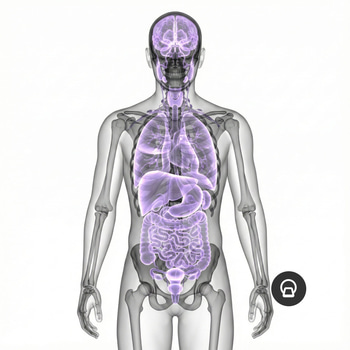
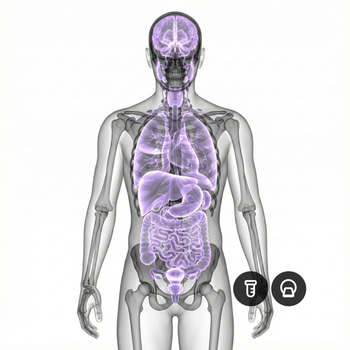
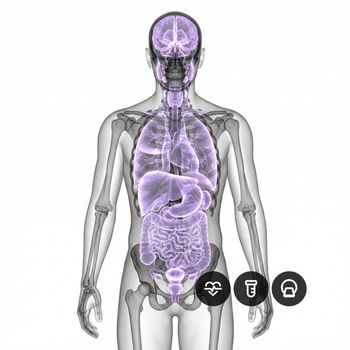
The abdomen is the central area between the rib cage and the pelvis that houses several of the body's most important organs. This is where digestion, detoxification, and the immune system take place, among other things.

Quick version

What is the abdomen?

The abdomen, or abdomen, is the body cavity between the thorax and the pelvis. It is surrounded by the abdominal wall and contains organs of the digestive system, urinary tract, and reproductive and immune systems.

Anatomy and structure

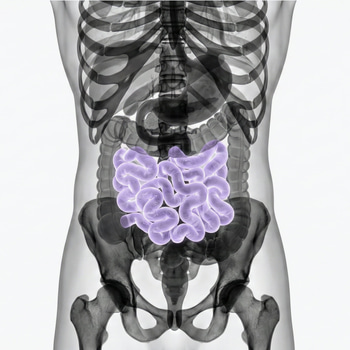
The abdomen is divided into upper, middle, and lower parts and four quadrants. It is surrounded by abdominal muscles, fatty tissue, and the peritoneum (peritoneum), which protects the internal organs in the abdomen.

Organs in the abdomen

The abdomen contains the gastrointestinal tract, which includes the stomach, small intestine, and large intestine. The liver, gallbladder, pancreas, spleen, kidneys, urinary bladder, and internal genital organs depending on gender are also located in the abdomen. These work together for nutrient absorption, detoxification, and reproduction.

Function of the abdomen

The abdominal organs are responsible for digestion, nutrient absorption, blood purification, urine production, immune functions, and hormone signaling. The abdomen is also a place where many diseases can occur.

Examination of the abdomen

In the case of abdominal complaints, palpation, auscultation, blood tests, and imaging diagnostics such as ultrasound, MRI of the abdomen, or computed tomography are used. The examination is directed by the location and nature of the symptoms.

Common causes of abdominal pain

Abdominal pain can be due to infections, inflammation, blockages, bleeding, tumors or functional disorders such as IBS. The exact cause is determined through clinical assessment together with a doctor.

Relevant symptoms

  • Pain or cramps in the stomach
  • Swelling or bloating
  • Nausea and vomiting
  • Changed bowel habits
  • Fever with infection

Related conditions and diagnoses

  • Appendicitis (appendicitis)
  • Gallstones
  • Kidney stones
  • Stomach ulcer
  • Inflammatory bowel disease (IBD)
  • Irritable bowel syndrome (IBS)
  • Cirrhosis of the liver

Written by: The team at Testmottagningen.se
Reviewed by:Hannah Krantz, leg. läkare

Questions and answers

The area between the rib cage and the pelvis is considered the abdomen. It houses the digestive organs, urinary tract, and parts of the reproductive system, and is protected by the abdominal wall.

The abdomen contains the stomach, intestines, liver, gallbladder, pancreas, spleen, kidneys, bladder, and reproductive organs. The location of these organs in the abdomen varies depending on gender and body type.

Infections, inflammations, digestive problems, stones, bleeding or functional disorders such as IBS cause abdominal pain. A medical examination is required to determine the cause.

Upper abdominal pain is often related to the stomach, liver, or pancreas. Lower abdominal pain can be due to the intestines, urinary tract, or reproductive organs. The location helps in diagnosis.

You should seek medical attention immediately if you have sudden, severe, persistent or recurring pain, or if it is accompanied by fever, vomiting, blood in the stool or difficulty breathing.

Appendicitis, or appendicitis, is an acute inflammation of the appendix that often requires surgery. Common symptoms include pain in the lower right abdomen, fever, and nausea.

Doctors use their hands to feel for tenderness, listen with a stethoscope, take blood samples and may supplement with ultrasound, MR or X-rays to find the cause of the discomfort.

Irritable bowel syndrome (IBS) is a functional gastrointestinal disorder with symptoms such as gas, cramps, and changes in bowel habits. It is not dangerous but can affect quality of life.

Temporary discomfort and bloating that often go away on their own are common with gas. Abdominal pain is more persistent and may indicate underlying medical conditions.

Yes, stress can affect bowel movements and cause cramps, bloating, or diarrhea. This is common in functional gastrointestinal problems like IBS.

Tests related to Abdomen

Call included
MRI Full Body

MRI Full Body

Magnetic resonance imaging
  • Magnetic camera examination of the full body
  • Recommended for those who are healthy for screening purposes
  • Detailed examination with magnetic camera
  • MRI full body, referral sent directly

19 995 kr

SAVE 400 kr
Call included
MRI Abdomen/MRCP
  • Abdominal MRI visualizes the liver, kidneys, bile ducts, and pancreas.
  • Recommended for abdominal pain or suspected abnormalities.
  • MRCP shows bile and pancreatic ducts – without contrast agents.
  • Radiation-free exam with referral and specialist report included.

6 995 kr6 595 kr

SAVE 500 kr
Call included
MRI Full body Plus
  • Radiation-free whole-body MRI examination.
  • 50+ blood tests for an extended medical overview.
  • Early detection of risks and diseases.

21 000 kr20 500 kr

SAVE 995 kr
Call included
MRI Full Body Pro
  • Full body MRI scan.
  • 70+ blood tests incl. biological age.
  • Long-term ECG 5–7 days with ePatch.

24 995 kr24 000 kr

Call included
MRI Small Intestine
  • An MRI of the small intestine shows the intestinal walls, mucosa and surrounding tissues.
  • Used when Crohn's disease, inflammation, bleeding or tumors are suspected.
  • Radiation-free, painless and high-resolution examination of the gastrointestinal tract.
  • Specialist review and written report from a radiologist are included.

7 295 kr