Quick version
Does it feel like you've been told the same thing several times, done tests, maybe been told that "everything looks normal" - but the pain in your pelvis is still there? Then you're far from alone. The cause of pelvic pain can be difficult to pin down, and this is because several organs, nerves and muscles are located close to each other and can cause similar symptoms.
When pelvic pain does not have a clear explanation right away, it is rarely a matter of the symptoms being imagined. Often, it means that the cause is more complex than a single "visible" change on an ultrasound or blood test. Long-term pelvic pain can come from gynecological, urological, intestinal, musculoskeletal or neurological conditions – and sometimes they come from several at the same time.
In some people, the pain is clearly linked to menstruation, sex, bowel movements or urination. While in others it can be more diffuse and cause downward pressure, a dull ache in the lower abdomen, burning, stabbing or a feeling that something is “pulling” deep inside the pelvis. It is this mixture that sometimes makes the investigation take time.
Endometriosis and adenomyosis – common but often delayed causes of pelvic pain
One of the most common explanations for long-term pelvic pain in people with a uterus is endometriosis. In this case, tissue similar to the endometrium is found outside the uterus, which can cause inflammation, scarring and pain. Typical symptoms include severe menstrual cramps, pain during or after intercourse, cyclical bowel or urinary symptoms and sometimes reduced fertility.
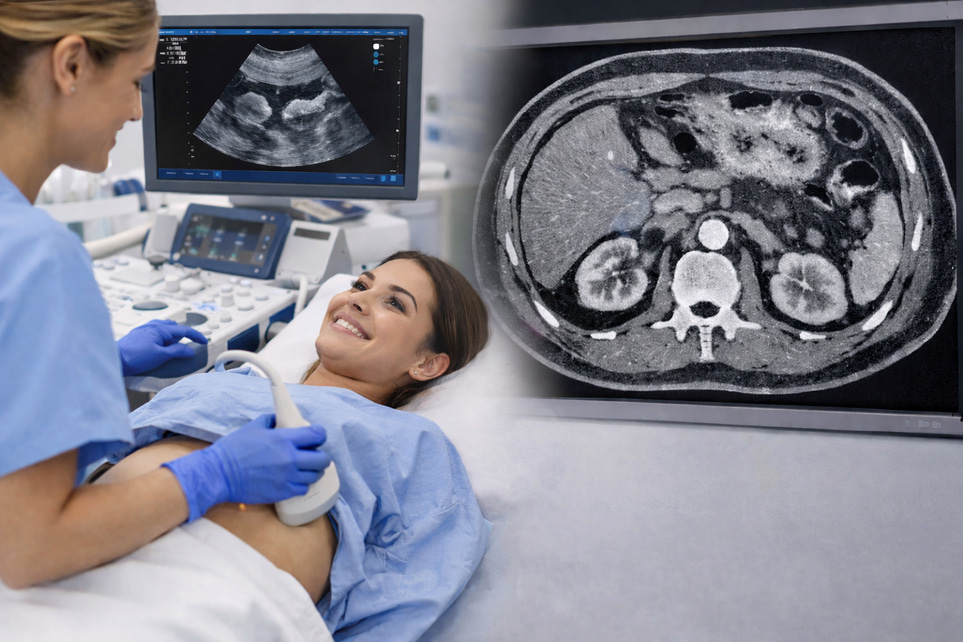
If deep endometriosis, adenomyosis or other changes in the pelvic organs are suspected, the doctor can sometimes supplement the investigation with MRI of the pelvis. MRI provides more detailed images than ultrasound of, among other things, the uterus, ovaries, pelvic wall and tissues around the intestine and bladder.
The examination can be particularly valuable when the symptoms indicate deep endometriosis, when the ultrasound does not provide a clear answer or when you need to map the spread of the disease before continuing treatment. A normal MRI result, however, does not rule out all causes of pelvic pain, and the examination does not replace a clinical assessment.
Adenomyosis is partly similar to endometriosis, but in this case tissue that resembles the endometrium grows into the muscle wall of the uterus. This is something that can cause heavy menstruation, a feeling of pressure, tenderness over the uterus and pain that often increases around menstruation. Both of these conditions can be present even when previous examinations have been difficult to interpret.
It is also common for the pain you experience to be out of proportion to the findings. Some may have a lot of pain despite small visible changes, while others have widespread disease but with less pain. Therefore, a diagnosis is not only based on imaging diagnostics, but also on a careful symptom picture and gynecological assessment.
If deep endometriosis, adenomyosis or other changes in the pelvic organs are suspected, the doctor can sometimes supplement the investigation with MRI of the pelvis. MRI provides more detailed images than ultrasound of, among other things, the uterus, ovaries, pelvic wall and tissues around the intestine and bladder.
The examination can be particularly valuable when the symptoms indicate deep endometriosis, when the ultrasound does not provide a clear answer or when you need to map the spread of the disease before continuing treatment. However, a normal MRI response does not rule out all causes of pelvic pain, and the examination does not replace a clinical assessment.
Endometriosis or adenomyosis are high on the list of possible causes if you have pelvic pain that is clearly worse during menstruation, if you experience deep pain during sex, or if you also have fertility problems.
When the problem is in the muscles or nerves
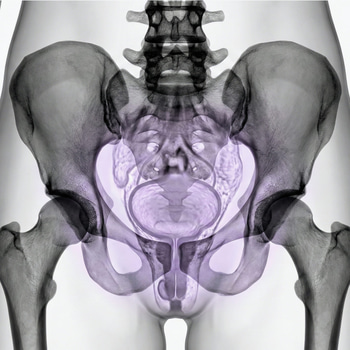
Not all pelvic pain comes from the uterus, ovaries or bladder. In many cases, part of the problem lies in the pelvic floor – the muscle plate that supports the bladder, bowel and genitals. When muscles are tense, sore or overactive, it can cause pain in the lower back, pressure, pain during intercourse, difficulty emptying the bowel or a feeling that the lower abdomen never really relaxes.
This is sometimes called myofascial pain, i.e. pain from muscles and connective tissue. It is not visible in regular blood tests and is not always noticeable on ultrasound. Therefore, it is easily missed if the examination mainly focuses on the organs.
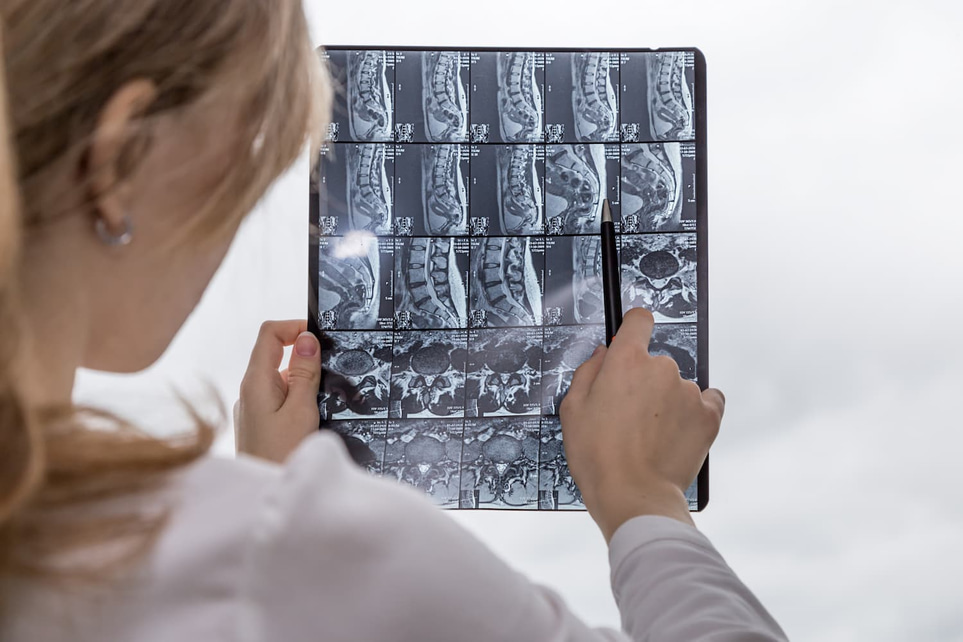
If the pain is more in the hip, lower back, buttocks or pelvic muscles and joints, the doctor may in some cases consider MRI of the pelvis and hip. The examination can show changes in, for example, the hip joint, skeleton, muscles, tendons or muscle attachments.
<p>MRI of the pelvis and hip is especially relevant when the pain is clearly movement or strain-related, when it radiates to the groin or buttocks, after an injury or when the doctor suspects a disease in the joints, skeleton or soft tissues. However, it is not a general examination that usually explains all long-term pelvic pain.</p>
Nerve pain from the pudendal nerve, pudendal neuralgia, is another overlooked cause. It can cause burning, stabbing or cutting pain in the lower abdomen, around the anus, in the perineum or deep in the pelvis. A typical pattern is that the pain gets worse when you sit and is relieved somewhat when you stand or lie down.
In men, long-term pelvic pain can sometimes be described as prostatitis, even though no infection or clear inflammation is found. The modern view of the condition is that the pain is often a more complex pain syndrome where muscles, nerves, urinary tract and stress system interact. Therefore, antibiotics do not always help, especially when there is no infection.
Bladder, bowel or infection - when the cause is not gynecological
Bladder pain syndrome
Pain in the pelvis can just as easily come from the urinary tract or bowel. One example is bladder pain syndrome, also called interstitial cystitis, where pain or pressure from the bladder is combined with frequent urges and often worse night's sleep. Many describe having to constantly plan where the nearest toilet is.
Irritable bowel syndrome, constipation and inflammatory bowel disease
Irritable bowel syndrome, constipation and inflammatory bowel disease can also be felt deep in the pelvis rather than “just in the stomach”. If you experience more pain before going to the toilet, become bloated, alternate between diarrhoea and constipation or experience relief after a bowel movement, the bowel should be investigated as a possible source.
Pelvic infection
Another important cause is pelvic infection, often called PID. It can cause pain in the lower abdomen or pelvis, pain during intercourse, breakthrough bleeding and abnormal discharge. If this is not treated early, it can cause scarring in the fallopian tubes and affect fertility later.
Cysts and fibroids
Ovarian cysts and fibroids can also cause pelvic pain, especially if the pain comes as a one-sided feeling of heaviness, pressure or sudden sharp pain. Sometimes it is a benign finding, but sometimes a faster assessment is required – especially if the pain is new, severe or associated with nausea.
Why are tests and examinations sometimes “normal” even though you are in pain?
Blood tests, urine tests and ultrasounds can be normal even though you have pelvic pain, because long-term pain is not always due to an infection, fracture or other clear tissue damage that is visible in examinations. Instead, the pain system can become more sensitive over time, and nerves and muscles can then continue to signal pain even when the original damage is small or has already healed.
This does not mean that the pain is psychologically induced or less real. It can mean that the nervous system has become more easily irritated in such a way that ordinary stimuli – such as a full bladder, bowel movements, sexual intercourse or prolonged sitting – are experienced as unusually painful.
Therefore, the investigation often needs to be broader than a single test or examination. The doctor may need to examine the pattern of the pain: whether it is cyclical, whether it is associated with urinary or bowel problems, whether sexual intercourse is painful, whether the pain is worsened by sitting or whether the muscles in the pelvic floor are tender. Such details can sometimes provide more important clues than a normal test result.
A valuable aid is to document the symptoms in a symptom diary. By noting when the pain occurs, how it feels, and what seems to trigger or relieve it, you can more easily discover connections that are otherwise difficult to see.
When to look further – and which warning signs require prompt assessment
Long-term pelvic pain should not be dismissed as something you just have to put up with, especially if it affects sleep, work, sex life, or toileting habits. If you have recurring or persistent pain that cannot be reasonably explained, or if previous treatment has not helped, you should seek help.
Some symptoms require faster medical assessment:
- sudden, intense or one-sided pelvic pain
- fever, nausea or general malaise along with the pain
- pregnancy or suspected pregnancy and pelvic pain at the same time
- bleeding after menopause
- blood in the urine or stool
- new tension, early satiety, urinary urgency or weight loss, especially after the age of 40–50
In the case of persistent abdominal or pelvic symptoms in adults over 40 years of age, doctors may sometimes consider further investigation with, for example, CA125 and ultrasound, depending on the big picture. It's not because most people have cancer, but because certain patterns need to be ruled out early.
If you feel that the investigation has stalled, it may be reasonable to ask for a new review where several possible causes are considered at the same time. Sometimes a gynecologist, urologist, pelvic floor physiotherapist or pain specialist is needed – not because the symptoms are unusual, but because they are complex.