Quick version
Menopausal symptoms can manifest themselves in many different ways. Hot flashes and sweating are well-known symptoms, but also altered bleeding, sleep problems, weight changes, dry mucous membranes and muscle and joint pain are common.
There are effective treatments, but what is best needs to be decided based on symptoms, medical background and how the symptoms affect your life. Seek care if the symptoms affect your everyday life. You do not need to wait until the problems have become severe before contacting healthcare.
We spoke to Elenor Wevle Ängek, a doctor specialising in obstetrics and gynaecology, about how the menopausal transition affects women and what can help relieve menopausal symptoms.
The menopausal transition is the period surrounding the final menstrual period and can last for several years. Menopause is the medical term for the final menstrual period and is confirmed retrospectively once twelve months have passed without any further bleeding. For most women, menopause occurs between the ages of 45 and 55. In Sweden, the average age is around 51–52.
The years leading up to menopause, when hormone production becomes more irregular, are often referred to as perimenopause. During this time, many women experience irregular periods and common menopausal symptoms.
Common menopausal symptoms – physical and psychological
Menopause can cause both physical and psychological symptoms. The symptoms experienced, their severity and how long they last vary greatly from person to person.
Common menopausal symptoms include:
- hot flushes and sweating
- sleep problems
- irregular bleeding
- mood swings, anxiety or depression
- heart palpitations
- difficulty concentrating and memory problems
- headaches
- muscle and joint pain
- vaginal dryness
- pain during intercourse
- reduced sex drive
- recurrent urinary tract problems.
Hot flushes and sweating are collectively known as vasomotor symptoms. They can occur both during the day and at night and are a common cause of disturbed sleep. The symptoms may begin several years before menopause and continue after the final menstrual period. For many women, they subside over time, but they can persist for more than five years and, for some, considerably longer.
Menopause can affect both the body and mental wellbeing, and symptoms vary greatly from person to person. It is important not to dismiss them as something you simply have to put up with – help is often available.
Bleeding during menopause
As hormone levels change during the menopausal transition, periods are often affected. They may occur more or less frequently, and bleeding may become heavier or last longer. There may also be several months between periods before they stop completely.
Changes in bleeding patterns are often caused by hormonal fluctuations. Seek medical advice if bleeding becomes very heavy or prolonged, occurs frequently, happens between periods or after intercourse, or changes in a way that concerns you.
If it has been more than a year since your last period and you begin bleeding again, you should seek medical attention. The bleeding needs to be investigated, even if it is light or occurs only once.
Hormone therapy can also affect bleeding patterns. Light spotting is common during the first three to six months after starting or changing treatment. Bleeding that continues for longer, becomes heavy or begins after a period without bleeding should be assessed by a healthcare professional.
Menopause and sleep problems
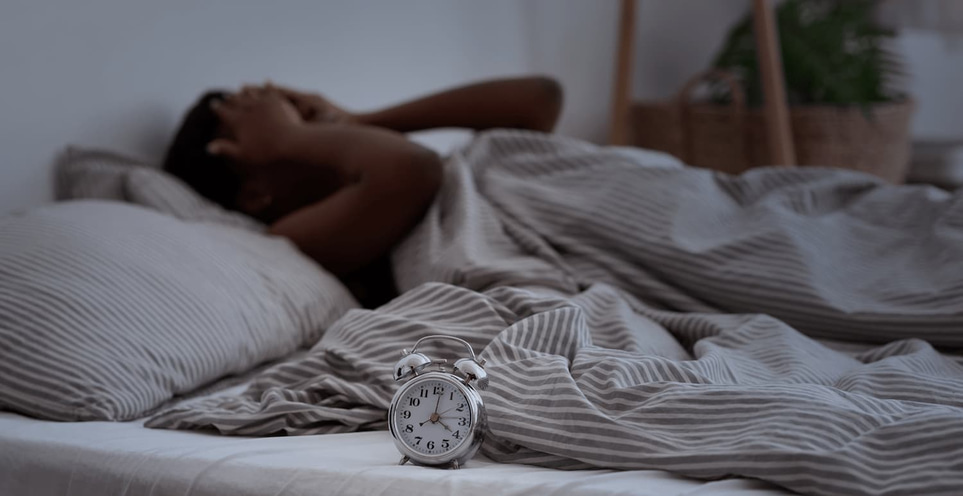
During menopause, it may become more difficult to fall asleep. Some people wake frequently during the night or feel tired despite having slept through the night. Night-time hot flushes and sweating are a common cause, although sleep problems can also occur without hot flushes.
Prolonged sleep deprivation can lead to fatigue, irritability, difficulty concentrating and low mood, among other problems. If you experience sleep problems, it may help to:
- keep your bedroom cool
- wind down before bedtime
- go to bed and get up at regular times
- reduce your alcohol and caffeine intake
- exercise regularly
- use lightweight bedding and sleepwear that is easy to remove.
If your sleep problems are mainly caused by night-time hot flushes and sweating, hormone therapy may be an option. Sleep problems that do not appear to be related to these symptoms may require a broader medical assessment, as they can have other causes.
Weight gain during menopause
Weight gain during menopause is common, but it is rarely caused solely by reduced oestrogen levels. Reduced muscle mass, lower energy requirements, less physical activity, stress and disrupted sleep can also affect weight.
Hormonal changes may also cause more fat to be stored around the waist and abdomen. Body composition can therefore change even without significant weight gain.
Read more in our article:Weight gain during menopause - that's why the waistline increases despite the same habits.
Oestrogen deficiency and body aches during menopause
Muscle and joint pain can occur during menopause, sometimes alongside stiffness, fatigue or a feeling that the body is recovering more slowly.
The relationship between oestrogen deficiency and pain is complex. Among other things, oestrogen affects the bones, muscles, connective tissue and the way the body regulates pain. Lower oestrogen levels may therefore contribute to pain, although the symptoms are not always caused by hormonal changes.
Other possible causes of aches and pains include osteoarthritis, overuse injuries, thyroid disorders and inflammatory diseases. Seek medical advice if the pain does not go away, becomes worse or limits your mobility. You should also seek medical attention if you experience swollen joints, fever, significant muscle weakness or unexplained weight loss.
Vaginal dryness and urinary tract problems
As oestrogen levels fall, the tissues of the vagina and lower urinary tract can become thinner, drier and more sensitive. This can cause dryness, itching, burning, pain during intercourse, frequent urination and recurrent urinary tract infections.
Unlike hot flushes, these symptoms do not always resolve on their own. Local oestrogen is available as a cream, vaginal gel, vaginal tablet or vaginal ring and can be effective. The treatment acts primarily on the vaginal and urinary tissues and, following an individual assessment, can often be used for an extended period.
Hormone-free moisturising gels and lubricants can also relieve dryness and discomfort.
Treatment of menopausal symptoms
The most appropriate treatment depends on the symptoms you experience, how much they affect your daily life and whether you have any medical conditions or other circumstances that need to be considered.
Hormone therapy
Menopausal hormone therapy, also known as MHT, is the most effective medication for hot flushes and sweating. Oestrogen can be administered as tablets, patches, gel or spray.
For women younger than 60 or within ten years of menopause, the benefit–risk balance is generally favourable when treatment is prescribed for symptoms that affect quality of life and there are no contraindications.
Hormone therapy is the most effective treatment for hot flushes and sweating, but it must always be tailored to the individual. The appropriate preparation and duration of treatment are determined based on the person’s symptoms, medical history and an assessment of the benefits and risks.
If you still have your uterus, systemic oestrogen must be combined with a progestogen to protect the lining of the uterus. Progestogen is a collective term that includes both progesterone and synthetic progestogens. Protection can be provided through tablets, combination patches or a hormonal intrauterine system. If the uterus has been surgically removed, oestrogen alone is usually prescribed.
Treatment is tailored to the individual and given at the lowest dose that provides sufficient relief. There is no longer a general limit on how many years treatment may continue. Instead, the benefits and risks should be reassessed regularly.
Systemic MHT is contraindicated in cases including undiagnosed vaginal bleeding or suspected endometrial cancer, previous breast cancer, current deep vein thrombosis or pulmonary embolism, ongoing or recent arterial cardiovascular disease, and severe active biliary or liver disease.
Oestrogen taken in tablet form is associated with an increased risk of venous blood clots. A corresponding increase in risk has not been demonstrated for oestrogen administered through the skin, such as patches, gel or spray. This form of treatment is therefore often preferable, particularly for women with certain cardiovascular or metabolic risk factors.
Lifestyle changes and other treatments
Regular physical activity, particularly strength training, can improve overall health and help preserve muscle and bone mass. Relaxation, adequate recovery and keeping the bedroom cool can also help relieve some symptoms.
If you cannot or do not wish to use hormone therapy, other medications may sometimes be appropriate. Discuss the available treatment options with a doctor based on your symptoms, general health and individual risk factors.
When should you seek medical care?
You should contact your healthcare centre or a gynaecological clinic if:
- hot flushes, sweating or sleep problems affect your daily life
- you feel depressed or experience troublesome mood swings that you believe may be related to hormonal changes
- vaginal or genital symptoms do not improve with over-the-counter treatment
- you experience recurrent or troublesome urinary tract symptoms
- your periods have stopped and you are younger than 45.
You should also seek medical care if bleeding becomes very heavy or prolonged, occurs frequently, or happens between periods or after intercourse. If you begin bleeding again more than a year after your last period, the bleeding should always be investigated.