Quick version
A pacemaker is a small medical device that corrects slow heart rhythms (bradycardia) and electrical conduction disorders such as AV block and bundle branch block. Through weak electrical impulses, it ensures that blood is pumped efficiently when the body's own signals fail. The procedure is usually performed under local anesthesia, and for the right patient, the treatment means a drastic reduction in symptoms such as dizziness and fatigue, as well as a return to a normal and active life.
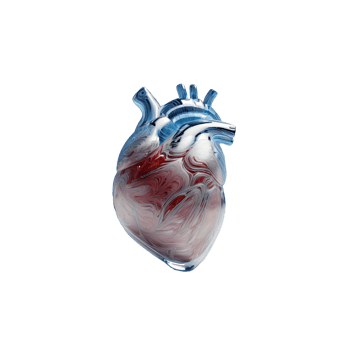
Many people think of the heart as a strong muscle that just “turns on by itself”. But in reality, each heartbeat is controlled by a finely tuned electrical system. When the electrical control is too slow or the signals are blocked, you can become tired, dizzy, short of breath or even faint. In this case, a pacemaker can be what helps the heart beat correctly – not by “taking over the whole heart”, but by supporting the rhythm when the body’s own signaling is not enough. A pacemaker is therefore an important treatment for certain forms of slow heart rhythm, so-called bradycardia, and for conduction disorders such as AV block or bundle branch block.
How a pacemaker helps the heart beat correctly
A pacemaker is a small medical device that monitors the heart’s rhythm and sends small electrical impulses when the heart beats too slowly or when the signal between the heart’s atria and ventricles is not working properly. The goal is to restore a sufficient heart rate and better coordination of the heartbeat, so that blood is pumped efficiently around the body. Pacemaker treatment is used primarily for symptomatic bradycardia, sinus node dysfunction and varying degrees of AV block, i.e. disturbances in the heart's electrical conduction system.
What is a pacemaker and how does it work?
The heart has its own electrical system. Normally, the impulse starts in the sinus node in the right atrium – the body's "natural pacemaker". The signal is then passed on through the AV node to the ventricles, which contract and pump blood out. If the signal is formed too slowly or is stopped along the way, the pulse rate may become too low for the body's needs.
A pacemaker usually consists of:
- a small pulse generator with a battery and electronics
- one or more electrodes, called leads, that go to the heart
- a programmable system that is adapted to the patient's needs
The pacemaker continuously senses the heart's own activity. If the heart beats normally, it usually lies passively in the background. If the rhythm becomes too slow, it sends a weak electrical impulse that causes the heart muscle to contract. Many modern pacemakers can also adapt the pulse rate during physical activity, so that the heart increases its rate when the body needs more oxygen. This is called rate adaptation.
It is important to understand that a pacemaker does not cure all heart disease. It mainly treats slow rhythm or disturbed electrical conduction. For example, it does not solve angina, heart attack or all forms of heart failure. Some patients may instead need a special type of device, such as a CRT pacemaker for certain forms of heart failure, or an ICD if the risk of dangerous rapid rhythm disturbances is high.
When do you need a pacemaker?
A common patient question is: How do you know if you need a pacemaker? The answer is that it is not about a certain number on the pulse alone, but about the combination of rhythm disturbance, symptoms and how the heart's conduction system works. Pacemakers are particularly relevant when slow heart rhythms cause symptoms or when there are clear conduction disorders that can be dangerous, such as high-grade or complete AV block.
Common symptoms that may indicate the need for a pacemaker are:
- dizziness or a feeling of unsteadiness
- fainting or near-fainting
- abnormal fatigue
- shortness of breath with light exertion
- reduced energy
- palpitations in some cases
- difficulty concentrating or “brain fog” due to poor circulation
Two common causes are:
- Sinus node dysfunction: The sinus node functions poorly and sends out signals too slowly or with pauses.
- AV block: The signal from the atria does not reach the ventricles as it should. In complete AV block, conduction is completely interrupted, which can result in a very low heart rate and fainting.
A specific example is a person who previously walked briskly without problems but now has to stop after a few minutes due to dizziness and heavy breathing. Another is an elderly person who suddenly begins to faint without a clear explanation. In such situations, ECG, long-term recording and cardiac examination can show that the heart sometimes beats too slowly or that the signals are blocked. In this case, a pacemaker can be a very effective treatment.
How is a pacemaker installed?
The procedure itself is usually done with local anesthesia and sometimes sedatives. A common method is for the doctor to make an incision just below the collarbone, insert one or more electrodes via a blood vessel to the heart and connect them to the pacemaker box that is placed under the skin. The procedure often takes about one to two hours, depending on the type of pacemaker to be inserted. Many patients can go home the same day or the next day.
There are different types of pacemakers:
- Single-chamber pacemaker: stimulates either the atria or ventricles
- Dual-chamber pacemaker: coordinates signaling between the atria and ventricles
- Biventricular pacemaker/CRT: is used in some patients with heart failure to improve the interaction between the chambers of the heart
- Leadless pacemaker: a small pacemaker without traditional electrodes, for selected patients
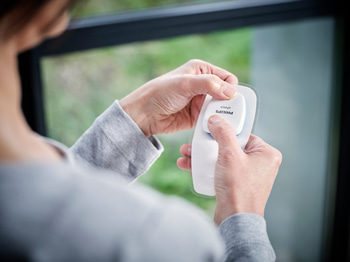
After implantation, the device is carefully checked. The pacemaker is individually programmed to suit the patient's rhythm problems, activity level and other heart disease. Most people are then followed up regularly at a pacemaker or arrhythmia clinic, sometimes even via remote monitoring.
What can you expect afterwards?
For many, the biggest change is that symptoms are reduced. If the problem is due to a slow pulse, you can often have better energy, less dizziness and fewer fainting spells. Many people describe that they “get their energy back”, but the improvement also depends on whether there is another heart disease at the same time.
Common after the procedure is:
- tenderness, stiffness or bruising over the area where the pacemaker is located
- care with arm movements in the first few weeks
- need for wound control and technical follow-up
Many patients quickly get used to having a pacemaker. The device itself can feel like a small bump under the skin, and during the first few weeks after the operation it is possible to feel temporary, stimulated heartbeats. In everyday life, however, this is rarely noticeable.
In most cases, it is possible to live a normal and active life with a pacemaker, which includes work, exercise and travel. However, after implantation, the advice given needs to be followed and regular check-ups need to be carried out. Healthcare professionals should always be informed about the pacemaker before medical examinations or treatments. Modern pacemakers have good protection, but certain electrical environments and procedures require special consideration.
Risks, warning signs and when to seek care
Pacemaker implantation is a common and usually safe procedure, but as with all medical procedures there are risks. The most important early complications are bleeding, hematoma, infection, problems with electrode placement and, in more rare cases, effects on the lung or blood vessels in connection with the procedure. It is important to monitor function, battery life and any symptoms afterwards.
You should contact healthcare if, after a pacemaker operation, you experience:
- increasing redness, swelling or warmth over the wound
- fever
- fluid or pus from the surgical area
- new shortness of breath
- dizziness, fainting or the same symptoms as before the operation
- pain or clear deterioration in the area where the device is located
A pacemaker is a treatment that helps the heart beat correctly when its own electrical control fails. For the right patient, it can be crucial: from fainting and severe fatigue to a safer and more active life. But the path to the right treatment often begins with taking symptoms seriously and examining what the body is trying to signal.