Quick version
Most cases of headache and dizziness are not due to a brain tumor. Suspicion is primarily raised when symptoms such as new/changing headaches, visual disturbances, cognitive changes, or weakness develop and worsen together over time. A first epileptic seizure or a sudden, severe headache always requires immediate emergency medical care.
A recurring headache is often a cause for concern, especially when it feels different than usual. Most people who have headaches, dizziness or nausea do not have a brain tumor, but some symptoms should still be taken seriously. Common symptoms of a brain tumor are rarely a single sign, but more often a pattern where the symptoms increase, change or are combined with an impact on vision, speech, strength or behavior.
Common symptoms of a brain tumor depend on pressure and impact on brain function
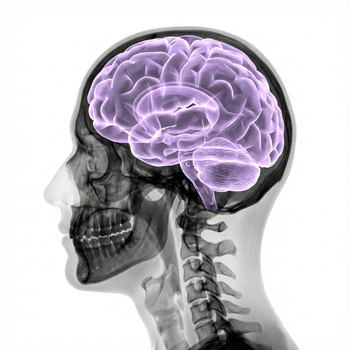
The brain is enclosed in the skull bone, where space is limited. A brain tumor can therefore cause symptoms in two ways: by increasing pressure in the skull and by disrupting the function of the part of the brain where the tumor is located. Symptoms can come on quickly, but often develop gradually over weeks, months, or sometimes longer.
Common symptoms in adults include headache, nausea, vomiting, epileptic seizures, vision changes, speech difficulties, balance problems, and personality or memory changes. One-sided weakness or clumsiness in an arm or leg also occurs. It is typical for the symptoms to worsen over time or for several of them to occur together.
This does not mean that every new neurological symptom is due to cancer. Migraines, tension headaches, infections, stress, drug side effects, and benign neurological conditions are much more common explanations.
Headaches in brain tumors are usually new or clearly changed
Many people seek information about brain tumors because of headaches. Isolated headaches without other alarm symptoms rarely indicate a brain tumor, but care should be sought if the headache is new, getting worse, or different from previous problems. Particularly relevant are headaches that wake you up at night, are worst in the morning or are accompanied by nausea, vomiting or visual disturbances.
Some describe that painkillers help less than usual or that they feel a pressure rather than the typical throbbing migraine pain. Others notice that coughing, sneezing or exertion worsen the pain. Such features can occur when the pressure in the skull is elevated, although they are not specific to a brain tumor.
If you usually have migraines but develop a new pattern, such as poor balance, weakness, new visual field disorder or unusual confusion, it should be evaluated medically. The same applies if the headaches recur more frequently and are also accompanied by vomiting.
Epileptic seizures, visual disturbances and personality changes are symptoms that many people do not connect with a brain tumor
A first epileptic seizure in adulthood should always be taken seriously. A seizure can be dramatic with loss of consciousness and convulsions, but it can also be more discreet: twitching in one arm, sudden confusion or a brief episode where speech becomes slurred. A brain tumor is far from the most common cause, but is one of the causes that must be ruled out.
Visual symptoms can include blurred vision, double vision, flashes of light, dots or that you start to miss things at the edge of your field of vision. Some people first notice it when they are driving a car, walking into door frames or having difficulty reading lines on a screen. If glasses no longer seem to help as usual, despite relatively rapid deterioration, it is also a signal to seek medical attention.
Personality changes and cognitive problems can be more difficult to detect yourself. Close relatives may react to the person becoming more lacking in initiative, easily irritated, forgetful or having difficulty planning everyday tasks. Such changes can of course have many other causes, but in combination with headaches, difficulty walking or focal neurological symptoms they need to be assessed.
When should you seek care for suspected symptoms of a brain tumor?
Seek care at a health center if you have recurring headaches that do not go away, headaches that get worse, or other symptoms such as vision changes, increasing nausea, balance problems, memory impairment or weakness in a part of the body. Even symptoms that seem “small” can be important if they recur or slowly worsen.
Seek emergency care immediately if the headache comes on suddenly and is very intense, if someone has their first epileptic seizure, if the person injures themselves in connection with the seizure or if consciousness does not return normally. The same applies to fainting, pronounced lethargy, respiratory problems or rapidly developing one-sided weakness.
How are symptoms that may be due to a brain tumor investigated?
The doctor starts by asking how the symptoms have developed: when they started, whether they came on suddenly or gradually, and whether they affect work, driving, sleep or memory. A neurological examination is often performed, which checks, among other things, eye movements, visual field, reflexes, balance, gait, sensation, strength and speech.
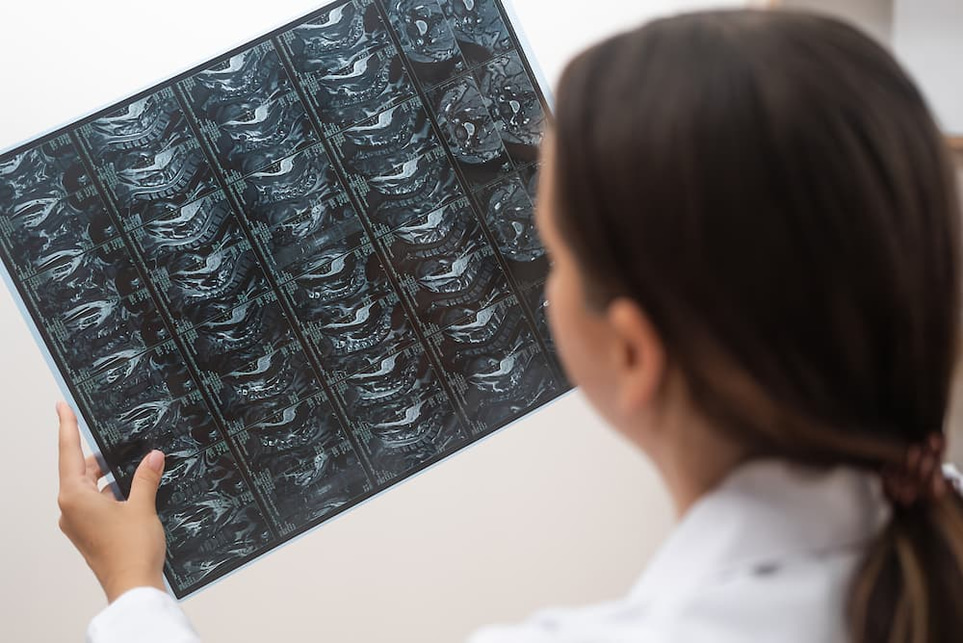
If the symptoms are suspicious, you may be referred for brain imaging, usually magnetic resonance imaging or computed tomography. Which examination is chosen depends on how quickly it needs to be done and what type of question the doctor has.
Blood tests can be part of the broad assessment, but they alone cannot rule out or confirm a brain tumor. However, blood tests can help detect other causes of fatigue, dizziness, difficulty concentrating or general malaise, such as anemia, inflammation, metabolic disorders or deficiency conditions.