
Quick version
A Baker's cyst is a fluid-filled swelling behind the knee that often occurs as a result of osteoarthritis, meniscus damage, or inflammation of the knee joint. It is usually harmless but can cause pain, tightness, and swelling in the knee crease. Here you will learn what symptoms to look out for, when to seek care, and what treatment options are available.
Does it feel tight or swollen behind your knee, especially after walking, exercising or a day spent standing a lot? Then it could be a Baker's cyst. Many people first notice a soft lump in the crease of their knee and become concerned about what it means. A Baker's cyst is usually not dangerous in itself, but it is often a sign that something inside the knee joint needs attention, such as osteoarthritis, inflammation or a meniscus injury. Understanding what a Baker's cyst is can therefore help you both interpret the symptoms correctly and know when it is time to seek medical attention.
What is a Baker's cyst?
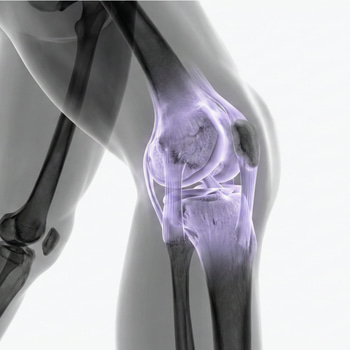
A Baker's cyst, also called a popliteal cyst, is a fluid-filled bulge in the crease of your knee. The fluid comes from the knee joint and consists of synovial fluid, which is normally found in the joint to lubricate and protect cartilage and other structures. When the knee becomes irritated or inflamed, the production of synovial fluid can increase. The fluid can then be pressed back and collected in a sac or fluid pocket behind the knee, forming a Baker's cyst.
In adults, a Baker's cyst is usually not an isolated problem, but is often associated with an underlying knee disease. Common causes are osteoarthritis, rheumatoid arthritis, other joint inflammation or meniscus injury. Baker's cysts often occur together with meniscus injuries, especially injuries to the posterior part of the medial meniscus.
In children, Baker's cysts can occur without a clear underlying joint disease, but in adults, one should more often think: why does the knee produce too much fluid? That is the question that is usually the most important medically.
What are the symptoms of a Baker's cyst?
The most common symptom is a soft or firm lump in the knee crease. Some people notice a feeling of fullness or pressure, while others experience more obvious discomfort. Symptoms often vary with how active you are and how much inflammation there is in the knee joint itself.
Common symptoms are:
swelling or a lump behind the knee
tightness in the knee crease
pain in the knee or upper calf
stiffness, especially when bending or extending the knee
a feeling that the knee is "tightening" after strain
sometimes clicking or simultaneous knee pain from the underlying knee injury
Some people have no obvious symptoms at all, and the cyst is discovered by chance during an examination or imaging of the knee. It is also common for the size to vary over time. Sometimes the cyst gets smaller when the inflammation in the joint calms down, only to return when the knee becomes more irritated again.
It is not uncommon for knee pain to start on the inside of the knee, for example after a sprain or in connection with osteoarthritis. After longer walks, it can start to tighten behind the knee and over time a clear swelling occurs in the knee crease. Then a Baker's cyst may be a likely explanation.
Why do you get a Baker's cyst?
The cyst itself occurs when the knee joint produces too much synovial fluid. The body often does this as a reaction to irritation, injury or inflammation in the joint. Baker's cyst is therefore often a kind of "signal" that there is an underlying problem in the knee.
Common causes are:
arthrosis of the knee - a wear-and-tear disease where the cartilage is affected and the joint often becomes irritated
meniscus injury - especially degenerative or posterior meniscus injuries
rheumatoid arthritis or other inflammatory joint disease
other knee inflammation or joint effusion
more rarely other injuries in the knee joint
It is important to understand that treatment that only targets the cyst itself does not always help in the long term. If the underlying problem in the knee remains, the joint often continues to produce excess fluid, and then the cyst can come back. That is why care often focuses on the entire knee, not just the lump behind the knee.
Is a Baker's cyst dangerous and when should you seek care?
In most cases, a Baker's cyst is harmless, but it should not be ignored if it causes obvious discomfort or if you do not know what the swelling is due to. A new lump behind the knee should be evaluated, especially if you also have pain, stiffness or swelling in the knee.
You should seek care if:
you have a newly discovered lump behind the knee
the knee becomes swollen, warm or more painful
you have difficulty bending or straightening the knee
the symptoms recur or worsen
you also have clear symptoms of osteoarthritis, meniscus damage or joint inflammation
An important complication is that the cyst can sometimes burst, so-called rupture. Then the fluid leaks into the calf and can cause sudden pain, swelling and redness in the lower leg. It can resemble a blood clot in the leg (DVT), which is a more serious condition and must be ruled out by healthcare. Therefore, you should seek urgent assessment if your calf suddenly swells, becomes tender or red, especially if the symptoms come on quickly.
Baker cysts can also, more rarely, become so large that they press on surrounding tissue and cause discomfort, numbness or increased swelling in the leg.
How is the diagnosis made and what treatment is available?
Diagnosis usually begins with a doctor examining the knee and knee crease. They look for swelling, mobility, tenderness and whether there are signs of other joint disease. In many cases, the clinical picture is enough, but sometimes imaging diagnostics are needed to confirm the finding and, above all, to understand the cause behind the cyst. Common methods of investigation are: Clinical examination Ultrasound, which can show that it is indeed a fluid-filled cyst if meniscus damage, cartilage damage or other joint pathology is suspected Sometimes X-rays to assess osteoarthritis changes Treatment depends on how many symptoms you have and what is causing the problem In mild or transient complaints, it may be sufficient: Relief for a period Adapted physical activity Pain relief needs
treatment of the underlying knee disease
If the cyst causes more pronounced symptoms, the healthcare provider may sometimes consider:
drainage of fluid from the cyst
cortisone injection, often in conjunction with treating the inflammation
continued investigation and treatment of, for example, osteoarthritis, meniscus damage or inflammatory joint disease
Surgery is rarely needed solely for the cyst. Surgery is mainly relevant if the underlying knee injury needs to be treated or if the cyst causes long-term, significant symptoms despite other treatment.
Many people wonder: “Should the cyst be removed immediately?” The answer is usually no. If the root cause remains, there is a high risk that the cyst will recur. Therefore, the most sustainable strategy is usually to first treat what is driving the fluid buildup in the knee joint.
When should you get tested or monitor your health?
A Baker's cyst is not visible in blood tests, but knee swelling and joint problems can sometimes be linked to conditions where testing is valuable as part of the overall assessment. This applies, for example, to suspicion of inflammation, rheumatic disease, metabolic disorder or other factors that can affect joints, recovery and general health. This is especially relevant if you also have fatigue, morning stiffness, multiple sore joints or recurring inflammatory problems.
It may also be wise to follow your health values if you:
have recurring joint or muscle problems
want to understand whether inflammation, blood sugar or other risk factors affect your health
have a job where physical strain means that knee problems are at risk of becoming long-term
want to work preventively before symptoms lead to longer sick leave
A Baker's cyst is usually not dangerous, but it should be taken seriously as a possible sign that the knee is irritated or damaged. The sooner you understand the cause, the better the chances are of reducing the problems and preventing the problems from becoming long-term.