Quick version
Creeping discomfort in the legs at rest that is relieved by movement is typical of restless legs (Willis-Ekbom disease) and is clearly different from nocturnal cramps or nerve pain. Common causes are low iron stores (ferritin), pregnancy, certain medications and intake of caffeine, alcohol or nicotine. Light movement, stretching and lowering triggers can relieve the moment, but in case of recurring problems that sabotage sleep, iron status and other underlying factors should be investigated with a blood test.
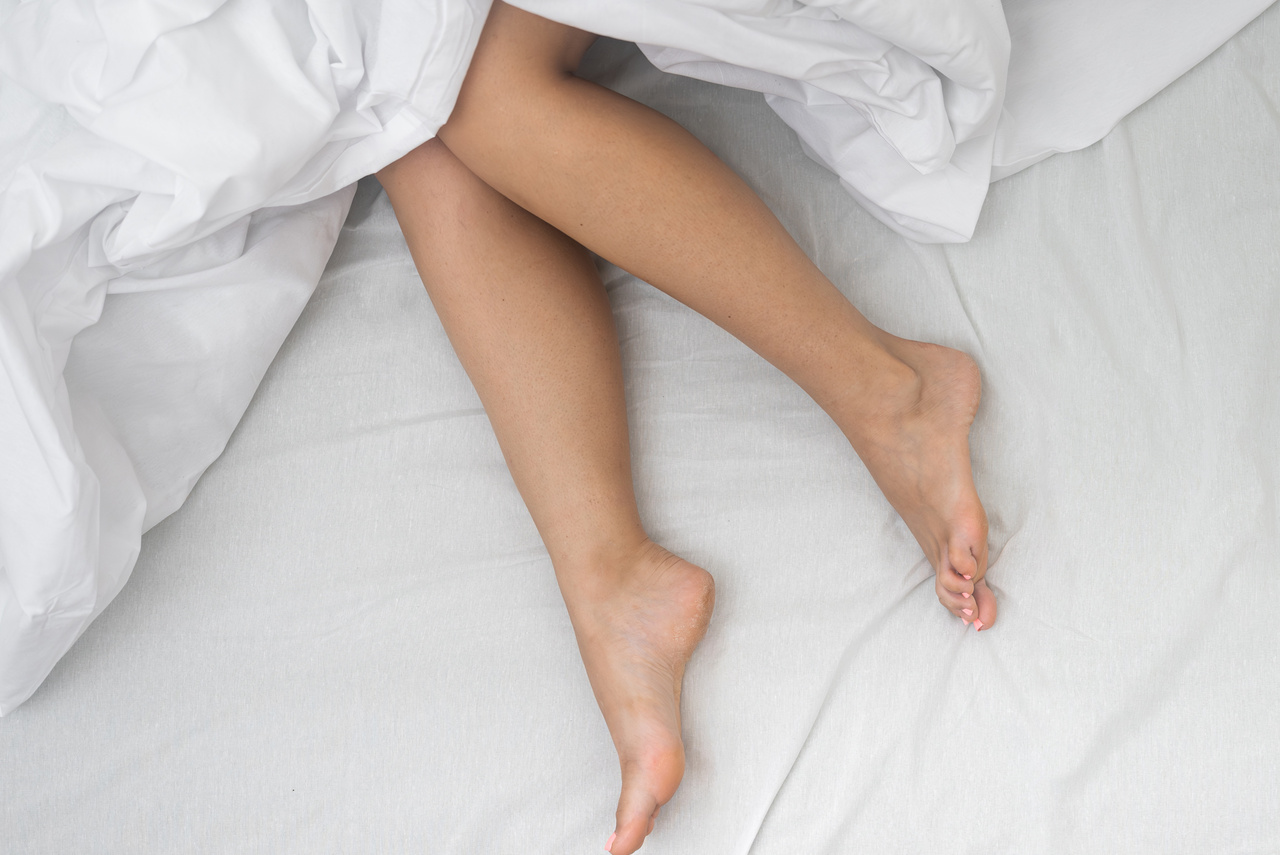
The feeling often comes just when you want your body to unwind. You lie down, your legs become still and suddenly you start to feel a tingling, crawling or pulling sensation deep inside your calves. Many people describe it as your legs “wanting to move on their own”, especially in the evening when the house is quiet and sleep should be coming.
When your legs crawl when you are going to sleep, it is sometimes a temporary restlessness after a long day. But if the discomfort recurs night after night, it may be due to restless legs, also known as Willis-Ekbom disease. In that case, there is often a medical explanation that can be investigated.
When leg cramps are more than just ordinary restlessness
The typical symptom of restless legs is discomfort in the legs that occurs or worsens when you are sitting or lying still. The discomfort temporarily eases when you move your legs, get up or walk for a while. The symptoms are often most pronounced in the evening and at night, which makes it difficult to fall asleep.
The feeling can be described in different ways: tingling, tingling, inner restlessness, pulling or an inexplicable impulse to move your legs. It is common for the discomfort to be in the lower legs, but some people also experience symptoms in the thighs or arms. So it is not always pain, but often just a discomfort that is difficult to ignore when the body is still.
A common question is: “How do I know if it is restless legs or just tired legs?” The clue is the pattern. Normal muscle fatigue after exercise is usually felt when you use your legs, while restless legs are usually most noticeable at rest and are relieved by movement.
Common causes of leg cramps in the evening
In many cases, there is a connection to the body's iron status. Iron is not only needed for blood counts but also for the function of the nervous system. It is pointed out that low iron stores, saturated with ferritin and transferrin saturation, are an important and treatable cause of restless legs.
The problem can also occur together with other conditions. Examples are iron deficiency, kidney disease, diabetes with nerve damage, pregnancy and certain rheumatic diseases. Sometimes no clear underlying disease is found, and then we speak more of a primary form that can often be hereditary.
Medications and lifestyle habits can play a role. For some, symptoms are worsened by nicotine, alcohol or caffeine, especially late in the day. Some medications can also increase leg pain, such as certain antihistamines, antidepressants or anti-nausea medications, which is worth reviewing if the symptoms started after a new treatment.
Pregnancy is a particular example. Many people only experience leg cramps during the second or third trimester, often linked to changes in iron status and hormones. The symptoms usually decrease after childbirth, but during pregnancy they can still clearly affect sleep and energy.
How to distinguish restless legs from cramps, nerve pain and other symptoms
Not all evening leg pain is restless legs. Nocturnal leg cramps more often cause a sudden, clearly painful contraction in a muscle, for example in the calf, while restless legs more often cause a diffuse discomfort and a need to move. The cramp often remains as soreness afterwards, which is not typical of restless legs.
Peripheral neuropathy, i.e. nerve damage in, for example, the feet and lower legs, can also cause tingling and numbness. The difference is that neuropathic symptoms do not always get better by walking around the room. Nor do they have to follow the clear circadian rhythm with worsening in the evening that is so common with restless legs.
Another confusion is akathisia, an internal motor restlessness that can occur as a side effect of certain medications. This is more about a general restlessness in the body than just crawling in the legs when resting in the evening. Therefore, the description of the symptoms is almost as important as the blood test itself when investigating what is behind it.
What you can do yourself when your legs crawl when you go to sleep
For many, simple measures help, especially if the symptoms are mild or come periodically. A short walk in the evening, light stretching or getting up for a while when symptoms start can reduce discomfort. Many people also find that regular bedtimes make a difference, as lack of sleep itself can worsen restless legs.
It is wise to review things that can trigger symptoms later in the day. These include:
- caffeine in the afternoon or evening
- alcohol close to bedtime
- nicotine
- very intense exercise late at night
For some, heat, such as a warm bath or heating pad, is soothing, while others prefer cold or light massage. The effect varies, but it can be an easy way to test what your particular legs respond to.
However, avoid starting iron supplements on your own for a long time without knowing what your values look like. Iron mainly helps if you actually have low iron stores, and too much iron is not harmless. If the symptoms recur, it is better to check the relevant tests first.
When you should investigate leg cramps with testing and medical contact
If your legs often interfere with falling asleep, if you need to get up several times each night or if daytime fatigue begins to affect your work, exercise or mood, then there is reason to proceed. The same applies if the symptoms debut during pregnancy, during heavy menstruation, after blood loss or together with other symptoms such as fatigue, shortness of breath or numbness in the feet.
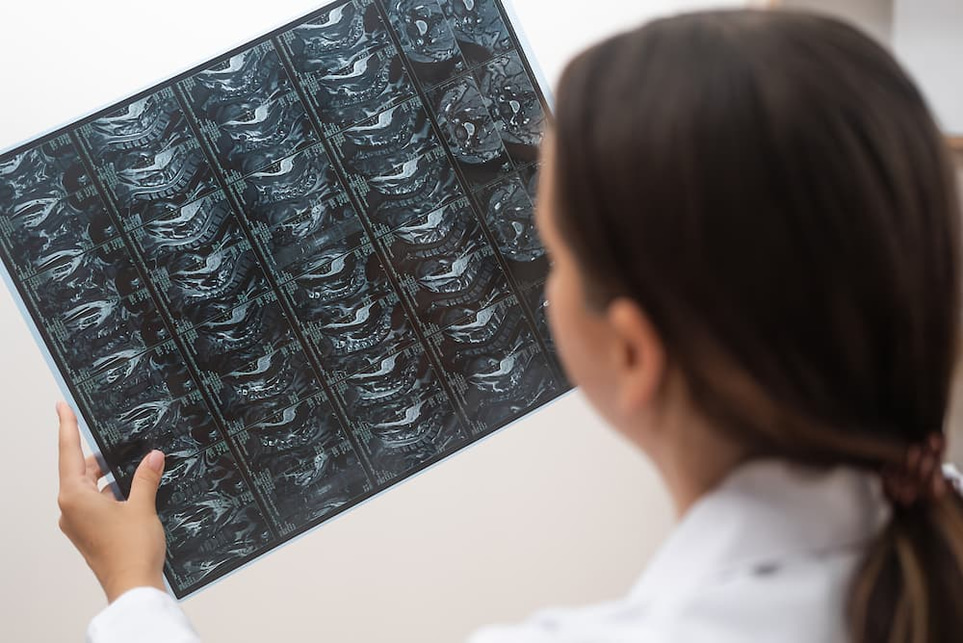
When investigating, iron status is central. Guidelines particularly highlight ferritin and transferrin saturation, since a normal Hb does not exclude low iron stores. Ferritin can also be affected by inflammation, which means that the interpretation sometimes needs to be placed in a larger context.
Depending on your situation, you may also want to check other tests, such as blood status, kidney function, blood sugar or markers that can provide clues to nerve damage or other underlying disease. If you have clear and frequent problems, there is also effective treatment, where current guidelines often highlight iron treatment in case of deficiency and in some cases drugs such as gabapentin or pregabalin. Dopamine drugs are used more cautiously than before because the symptoms can worsen in some people over time, a phenomenon called augmentation.
If the problems feel "small" but still recur, it is worth taking them seriously. Sleep problems often start in the subtle: ten minutes of extra wakefulness, a little more evening anxiety, a little worse recovery. When the cause can be influenced early, you can sometimes break a development before it has time to become a habit.