
Quick version
Having a normal weight does not automatically mean that you are in good health or have enough muscle, as BMI does not distinguish between fat and muscle mass. Low muscle mass (and in more severe cases sarcopenia) negatively affects strength, balance and metabolism and increases the risk of future fall injuries. Body composition can be accurately mapped through measurement methods such as DEXA scan. The most effective measure for building muscle mass is a combination of regular progressive strength training and sufficient protein intake.
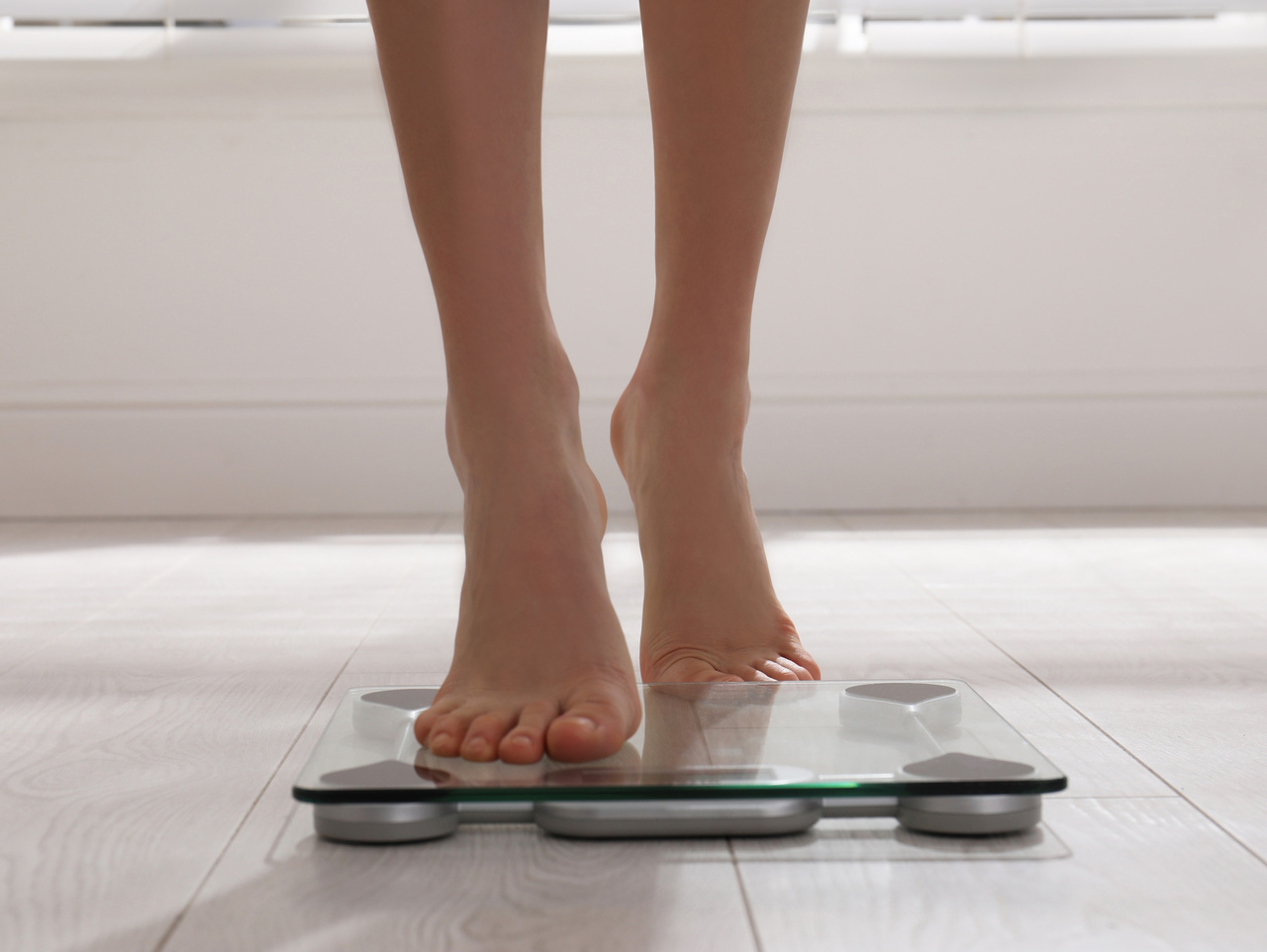
You can weigh “normally” on the scale and still have too little muscle. It is a question many people ask when their energy decreases, their posture worsens or their training does not give the same results as before. Normal weight only says something about the relationship between height and weight, not how the body is actually built.
Can you have too little muscle despite being normal weight?
This is where body composition becomes more interesting than kilos. Two people with the same BMI can have completely different amounts of muscle, fat and abdominal fat. One person can be strong and metabolically healthy, while the other has low muscle mass and a higher risk of disability, insulinresistens or future fall injuries.
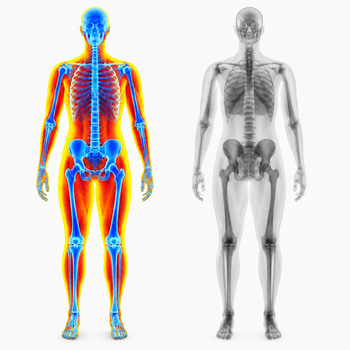
For those who want to understand their body better, it is therefore not always enough to follow their weight. A DEXA scan with body composition analysis can show how much of the body is made up of fat mass, fat-free mass and bone, and provides a much more useful picture than BMI alone.
Why can you have low muscle mass even though your BMI is normal?
BMI is a rough measure. It does not distinguish between fat and muscle, and it does not show where the fat is located. Therefore, a person can have a BMI that is within the normal range but still have relatively low muscle mass and an unfavorable distribution between muscle and fat.
Low muscle mass is not only seen in the elderly. It can also occur in people who sit a lot, lose weight quickly, eat too little protein, are recovering from illness or do a lot of cardio but little strength training. After the age of 30, muscle mass also gradually begins to decrease, and without counter-training, the change often becomes more obvious over the years.
A common example is the person who has "always weighed the same" but suddenly notices that stairs feel heavier, that grocery bags are more difficult or that their body has become softer despite their unchanged weight. The scale has not changed, but body composition has.
Low muscle mass is not just a training issue
In medicine, the term sarcopenia is used when muscle strength is low and this is confirmed by low muscle mass or low muscle quality. Low muscle strength is the first warning sign, while measuring muscle mass is used to confirm the diagnosis. Reduced physical performance, such as slow walking speed, indicates a more pronounced form.
This means that “too little muscle” is not just about appearance or fitness level. It is also about function. If you have difficulty getting up from a chair, carry less than before, lose balance more easily or feel unusual fatigue in your legs, it may be a sign that muscle strength has decreased more than you would expect. In older adults, low muscle mass is linked to an increased risk of falls, fractures, frailty and reduced independence.
What symptoms and situations should raise the question of low muscle mass?
Many people do not seek treatment for low muscle mass because the symptoms creep up on them. Often, it is only noticed in everyday life. You have less energy even though the blood tests look reasonable and your weight seems stable.
The following situations may indicate that your body composition should be assessed:
- You are of normal weight but feel weaker than before.
- You lose weight quickly, especially in connection with stress, illness or medication.
- You are sedentary for large parts of the day.
- You are over 50 and have not exercised regularly for a long time.
- You have type 2 diabetes, inflammatory disease, hormonal disorder or recurrent infections that have affected your energy and activity.
In these situations, body composition analysis can provide a better basis than weight control alone, especially in combination with lifestyle assessment and relevant laboratory tests.
How can DEXA show if you are underweight muscles?
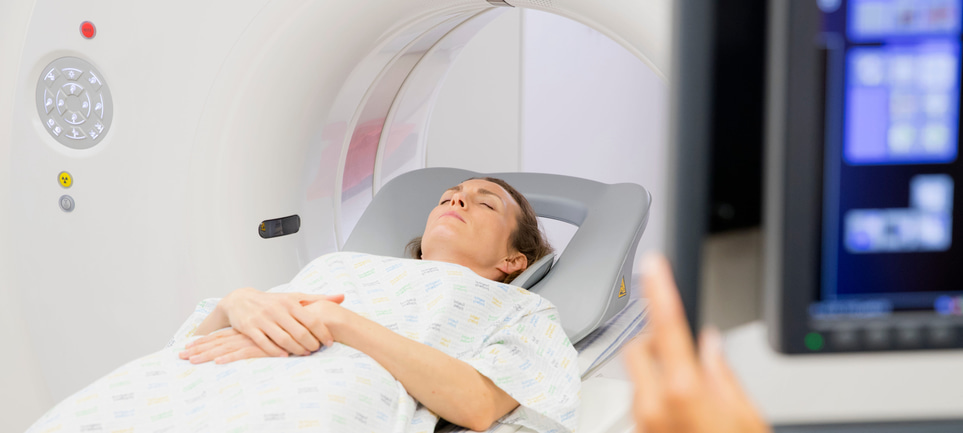
DEXA, or DXA, is often used for bone density measurement, but the method can also analyze body composition. It estimates, among other things, fat mass and fat-free mass in different parts of the body. An important measure is appendicular lean mass, i.e. the fat-free mass in the arms and legs, which is often related to height in an index called ALMI. It is an established measure in assessing low muscle mass.
This makes DEXA particularly useful when the scale gives a misleading picture. For example, you may have normal weight but low muscle mass in the legs and arms, or have lost muscle at the same time as fat mass has increased so that your weight looks unchanged. The latter can sometimes be described as sarcopenic obesity if there is increased fat mass and impaired muscle function at the same time.
At the same time, DEXA should be interpreted correctly as DEXA measures lean mass, not muscle directly, and the results must be placed in a clinical context together with strength, function, age and disease picture. A low number in itself is not the whole answer, but it can be an important piece of the puzzle.
What can you do if you have too little muscle?
The most well-documented treatment is progressive strength training. Muscle-strengthening training can slow or partially reverse the loss of muscle mass and improve strength, balance and physical function. Adults are also recommended to regularly do muscle-strengthening activities that engage the body's larger muscle groups.
Diet also plays a major role. For older adults, a protein intake of around 1.0–1.2 grams per kilogram of body weight per day is often indicated to support muscle health, and higher levels may be appropriate in cases of sarcopenia, frailty or chronic disease, if kidney function permits. The combination of protein and strength training has shown better effects in studies than diet alone or exercise alone.
In practice, this can involve quite concrete changes:
- 2–3 strength training sessions per week with gradually increasing load
- protein-rich meals distributed throughout the day
- sufficient energy intake in case of weight loss or low appetite
- assessment of underlying causes such as vitamin D deficiency, low physical activity, inflammatory disease or hormonal influences
For some, medical evaluation is also needed. Involuntary weight loss, pronounced weakness, difficulty walking or rapid muscle loss should not be dismissed as “just age”.
When is it wise to measure body composition?
DEXA examination with body composition analysis is particularly relevant when you want to know more than what the scale can show. This applies, for example, if you are exercising but are not getting results, if you have lost weight and want to know whether you have lost fat or muscle, or if you want to monitor your health more preventively as you age.
It can also be valuable after pregnancy, during menopause, after prolonged stress or in connection with lifestyle changes, where such a measurement provides more accurate goals than just “losing a few pounds”. For the elderly, it can help detect risk early, before weakness and falls become a clear problem. This is a reasonable clinical application of how DEXA is used to assess body composition and low muscle mass.
The most interesting thing about a body composition measurement is often not whether the weight is normal, but what the body actually consists of. When you see that distribution, it becomes easier to choose the right intervention: more strength training, better recovery, adjusted protein intake or continued medical evaluation.