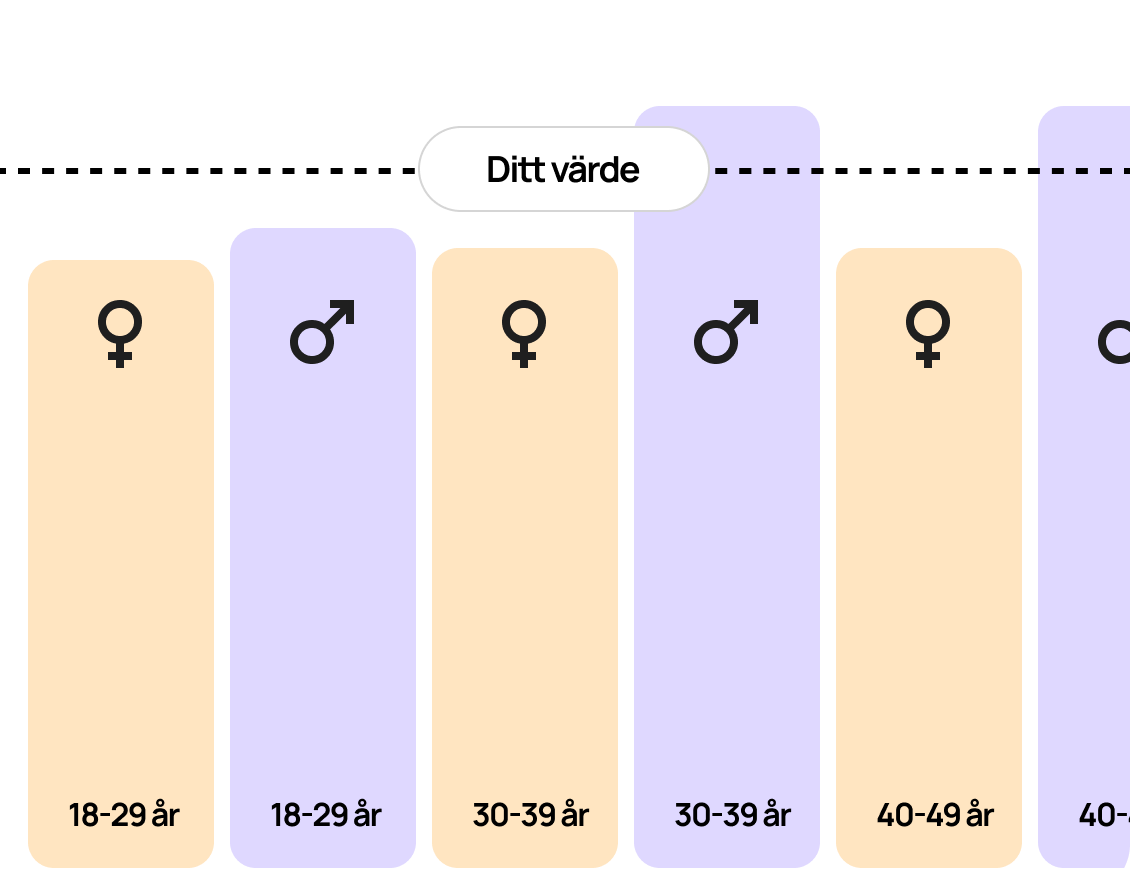







Blood analysis of S-17-OH-Progesterone
Hydroxyprogesterone (17-OH-progesterone or 17-OHP) is a steroid hormone that is formed primarily in the adrenal glands and functions as an important precursor in the body's production of cortisol and androgens. Unlike progesterone, which has a central role in the menstrual cycle and pregnancy, 17-Hydroxyprogesterone is primarily a marker of the adrenal gland's hormonal function.
The hormone is part of the hormonal chain that controls the body's stress response, metabolism and hormone balance. A blood test that measures 17-Hydroxyprogesterone provides valuable information about how effectively the adrenal glands convert hormone precursors to cortisol and can reveal underlying hormonal disorders.
The role of 17-Hydroxyprogesterone in the hormonal system
17-Hydroxyprogesterone is formed from progesterone and is an intermediate step in the synthesis of cortisol. Under normal conditions, the hormone is rapidly converted further and is only found in low levels in the blood.
If this conversion does not work optimally, for example in the case of enzyme deficiency in the adrenal glands, 17-Hydroxyprogesterone accumulates. This can lead to reduced cortisol production and at the same time increased formation of androgens, which can affect both hormone balance, fertility and general well-being.
Why is S-17-OH-Progesterone analysis performed?
Analysis of 17-Hydroxyprogesterone is mainly used to investigate the adrenal gland's hormone production and detect disorders in cortisol synthesis. The test is particularly important in cases of suspected congenital adrenal hyperplasia (CAH), a congenital condition that affects the enzyme function of the adrenal glands.
The blood test can also be performed when investigating hormonal disorders in both women and men, especially when symptoms indicate androgen excess or adrenal involvement.
Common reasons for analyzing 17-Hydroxyprogesterone are:
- suspected congenital adrenal hyperplasia (classic or mild form)
- investigation of acne, increased body hair or hormonal imbalance
- irregular menstruation or lack of ovulation
- fertility investigation
- early puberty in children
- follow-up of known adrenal disease
17-Hydroxyprogesterone in hormonal imbalances
Elevated levels of 17-Hydroxyprogesterone may indicate that the adrenal glands are not producing enough cortisol. When cortisol levels drop, the body tries to compensate by increasing hormone production, which leads to the accumulation of hormone precursors and increased androgen production.
This can cause symptoms such as acne, increased body or facial hair, irregular menstruation, fertility problems and in some cases fatigue and reduced stress tolerance. In mild forms of CAH, symptoms may be subtle and develop slowly over time, which makes blood analysis extra important for correct diagnosis.
How is the test done?
17-Hydroxyprogesterone is measured through a blood test. Since the hormone is affected by circadian rhythm and hormonal variations, it is recommended to take the sample in the morning, usually before 8 am.
In menstruating women, the sample is usually taken during the early follicular phase, usually days 3–5 of the menstrual cycle, to avoid natural hormone variations that can affect the result. If mild congenital adrenal hyperplasia is suspected, the analysis can be supplemented with an ACTH stimulation test to more clearly assess the enzyme function of the adrenal glands.
What do the results show?
- Low or normal levels: Usually indicate normal cortisol synthesis and well-functioning adrenal glands.
- Elevated levels: May indicate enzyme deficiency in the adrenal glands, congenital adrenal hyperplasia or other hormonal disorder that leads to androgen excess.
The result is always interpreted in relation to age, gender, cycle day, symptoms and other hormone tests such as cortisol and ACTH.
Why should you test 17-Hydroxyprogesterone?
The blood test Progesterone, 17-OH- (S-) is an important tool in the investigation of hormonal imbalances that are not always picked up by more common sex hormone tests. The test provides in-depth information about the function of the adrenal glands and the body's ability to produce cortisol.
For those who experience symptoms of hormonal imbalance, fertility problems, irregular menstruation or signs of androgen excess, analysis of 17-Hydroxyprogesterone can be a crucial step in understanding the underlying cause and enabling the right medical follow-up.