Quick version
The spleen is an important organ in the lymphatic system that participates in the immune system and blood purification.
- Filters out old blood cells
- Stores blood reserves and platelets
- Produces white blood cells and antibodies
- Protects against infections
- Common diseases include splenomegaly and splenic rupture
What is the spleen?
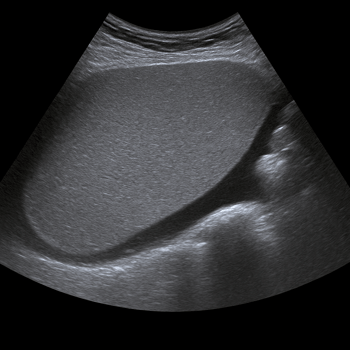
The spleen is an organ in the body's lymphatic system that plays an important role in the immune system and blood composition. It acts as a filter for the blood and helps the body fight infections and break down old or damaged blood cells. The spleen also stores blood and acts as a reserve in case of bleeding.
Anatomy and location
The spleen is located in the upper left part of the abdomen, just below the diaphragm and behind the stomach. It is approximately 10–12 cm long in adults, weighs about 150 grams and is surrounded by a protective capsule
Functions of the spleen
The spleen has several central functions:
- Filtration of blood: Removes old red blood cells and platelets and recycles iron and other components.
- Immune defense: Produces and stores white blood cells (lymphocytes) and antibodies that help the body fight infections.
- Blood reserve: Can store red blood cells and platelets that can be quickly released in the event of bleeding or increased need for oxygen transport.
Importance for the immune system
Because the spleen participates in recognizing and neutralizing bacteria, viruses and other foreign substances, it is a central part of the body's defense against infections. People who lack a spleen (due to illness or surgery) are at increased risk of certain bacterial infections.
Common diseases and conditions
The spleen can be affected by several different diseases and conditions, such as:
- Splenomegaly (enlarged spleen) in infections, blood diseases, or liver disease
- Splenic rupture (rupture) after trauma to the abdomen
- Blood diseases that affect the breakdown of blood cells, e.g. hemolytic anemia
- Infections such as mononucleosis ("glandular fever") can temporarily enlarge the spleen
Relevant symptoms
- Pressure or pain under the left rib cage
- Fatigue or anemia (anemia)
- Increased bleeding tendency
- Recurrent infections
- Enlarged abdomen with severe splenomegaly
Related conditions and diagnoses
- Splenomegaly (enlarged spleen)
- Splenic rupture
- Hemolytic anemia
- Mononucleosis
- Hypersplenism (overactive spleen)