Quick version
The current cases of measles in Sweden show that the disease can still occur, even if it is uncommon. As of August 18, 2026, 11 cases had been linked to the Urkult Festival, and infection tracking is ongoing in several regions. Most of those who have fallen ill have been unvaccinated.
It is possible to get measles despite vaccination, but two doses of vaccine provide very high protection. For those who are unsure about their vaccination protection – especially adults who were born during periods when the vaccination program was different – it may therefore be wise to check which vaccinations they have previously received.
In the event of suspicious symptoms, healthcare should always be contacted before visiting a clinic, as measles is extremely contagious.
According to the Public Health Agency's update on August 18, 11 cases had been reported that were suspected of having been infected in connection with Urkult, which took place from July 30 to August 1. The majority of cases involve children under 18 years of age and most of those who have fallen ill have been unvaccinated.
One of the notable cases also involves a person who has been infected with measles despite being vaccinated.
"Measles is one of the most contagious infectious diseases we know of. The current cases are therefore an important reminder to review your vaccination coverage, especially if you are unsure whether you have received two doses. The fact that a few vaccinated people still fall ill does not change the picture - two doses provide very good protection against measles."
What is measles?
Measles, also called morbilli, is a viral infection caused by the measles virus. The disease is one of the most contagious infections that exist and is characterized primarily by high fever, respiratory symptoms, eye irritation and a characteristic skin rash.
Measles is now uncommon in Sweden thanks to the high vaccination coverage. However, when the virus is nevertheless introduced into the country, it can spread quickly among people who lack sufficient protection.
Measles in Sweden – several cases after festival
Since mid-August, several measles cases have been reported in different parts of Sweden. The Public Health Agency stated on August 18 that 11 people are suspected of having been infected in connection with the Urkult Festival. Cases have been reported from Jämtland Härjedalen, Skåne, Stockholm, Västerbotten, Gotland and Värmland, among others.
The regions are now working with contact tracing to identify people who may have been exposed and prevent further spread.
Measles can be spread as early as four days before the rash begins and even four days after the rash appears. The virus is so contagious that a susceptible person can be infected by being in a room where a person with measles is - or has been up to two hours previously.
Measles - symptoms to watch out for
Measles symptoms usually occur around 10-12 days after infection, but the incubation period can vary between 7 and 21 days.
Common symptoms of measles are:
- high fever
- dry cough
- runny nose and other cold-like symptoms
- red and irritated eyes
- sensitivity to light
- small spots in the mouth, known as Koplik's spots
- red skin rash that gradually spreads over the body.
The first few days, measles can therefore be difficult to distinguish from, for example, a severe cold or other viral infection.
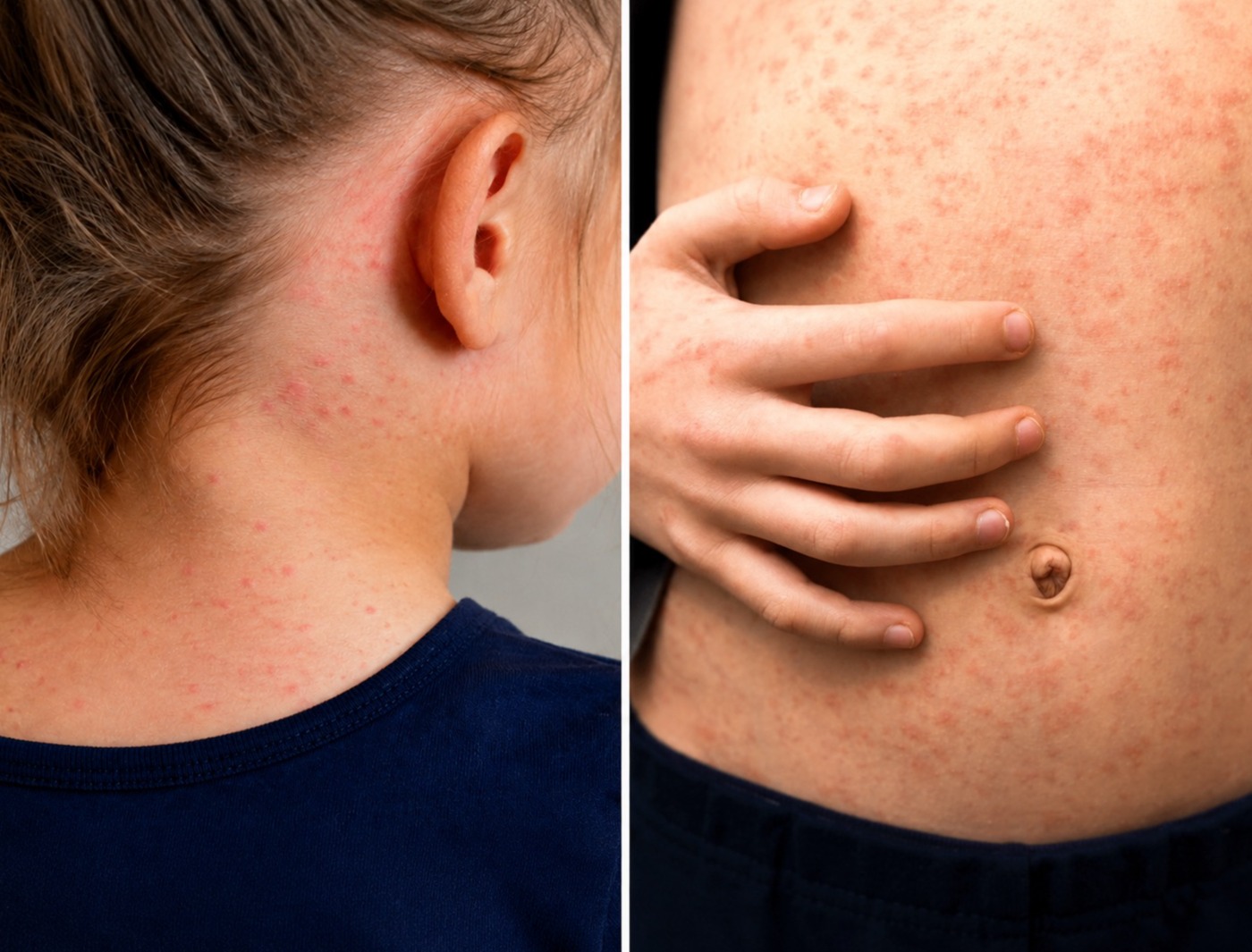
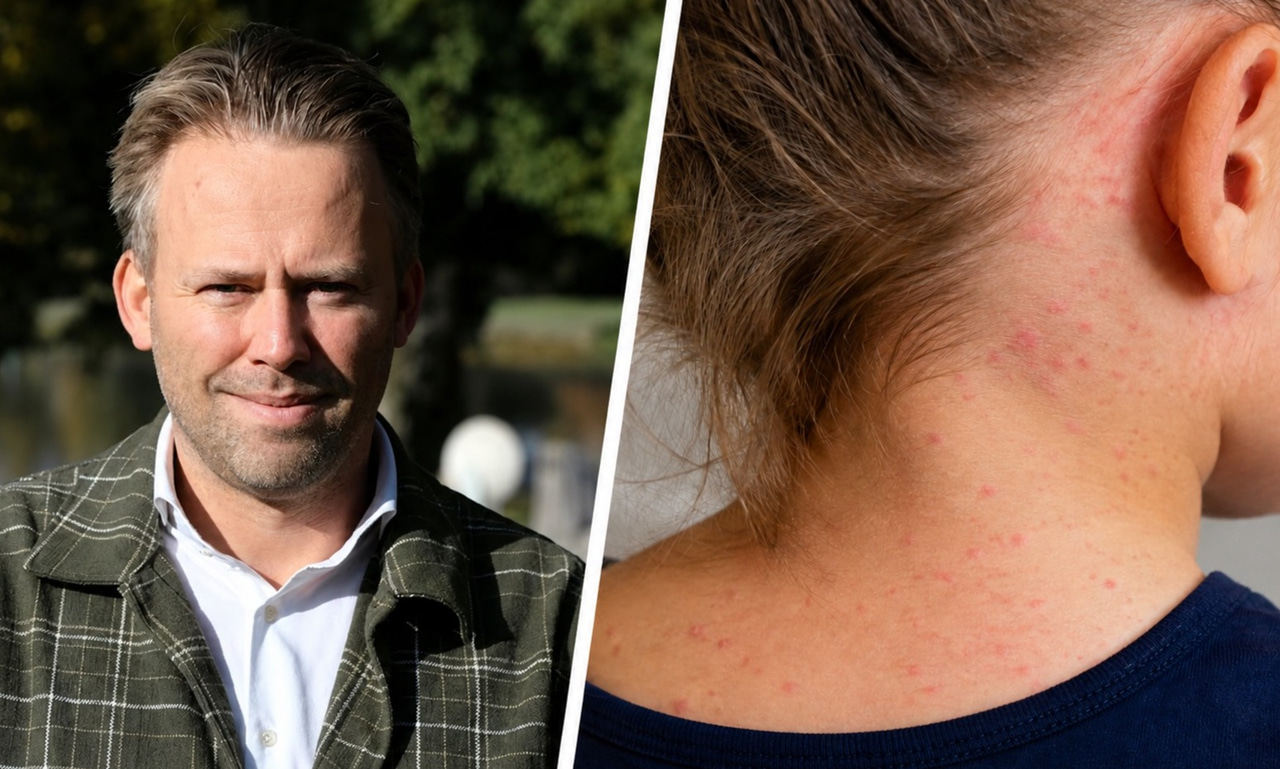
What does a measles rash look like?
A typical measles rash develops after a few days of fever and respiratory symptoms. The rash is red and can merge into larger areas.
They usually start on the face and head and then spread down the trunk and onto the arms and legs.
Because rashes can be caused by many different diseases, it is not possible to determine whether someone has measles based on skin changes alone.
What are Koplik's spots?
Koplik's spots are a classic early sign of measles. They consist of small blue-white or whitish dots on the oral mucosa and can appear before the skin rash becomes evident.
They can help doctors suspect measles, but since the disease is uncommon in Sweden, the diagnosis usually needs to be confirmed with laboratory tests.
"Measles should not be seen as a disease that only affects children. Adults can also get sick and suffer complications. If you are unsure about your vaccination protection, it is therefore wise to check which doses you have previously received."
Can you get infected with measles despite being vaccinated?
Yes. It is possible to get measles despite being vaccinated, but it is unusual.
In the current Swedish outbreak, SVT has reported on a vaccinated woman in Västerbotten who fell ill after visiting Urkult. She first developed a fever and later developed an extensive rash on her face, back and chest, among other areas.
Two doses of measles vaccine provide very good protection. According to information from the Public Health Agency of Sweden, around 97–99 percent of people who have received two doses are protected against the disease. This also means that a small number of fully vaccinated people can fall ill if they are exposed to the virus.
The fact that a vaccinated person gets measles does not therefore mean that the vaccine is ineffective. In a population where a large proportion is vaccinated, isolated cases among vaccinated people can be expected when an outbreak occurs.
Measles in adults
Measles in adults causes essentially the same symptoms as in children: fever, cough, eye irritation and rash.
The disease should not be considered a harmless childhood disease. Measles can cause complications such as ear infections, sinusitis and pneumonia. In about one case per 1,000, measles can cause serious encephalitis.
Some adults may also lack adequate vaccination protection without knowing it.
How do you know if you are vaccinated against measles?
If you are wondering how to know if you are vaccinated against measles, you can first check previous vaccination cards or medical records.
Vaccination protection may depend on the year you were born, among other things. The Public Health Agency of Sweden draws particular attention to the fact that in some cases people born in the 1970s may have only received one dose, as the Swedish vaccination programme changed during this period. The agency recommends that adults review their protection against measles and supplement their vaccination if necessary.
If you are unsure about your protection, you can contact a health centre or vaccination clinic for advice.
When did vaccination against measles start in Sweden?
The question “when did vaccination against measles start in Sweden?” is particularly relevant for adults who are unsure about their vaccination protection.
General vaccination of children against measles was introduced in Sweden in 1971. Initially, vaccination coverage was lower than today and measles therefore continued to occur. In 1982, the measles-only vaccine was replaced by the MMR vaccine, which protects against measles, mumps and rubella. At the same time, a two-dose program was introduced. People born during the years around the transition between vaccination programs may therefore have received fewer doses than today's children. Measles vaccine for children Measles vaccine for children is part of the national vaccination program and is given as the combination vaccine MMR, which protects against measles, mumps and rubella. Children in Sweden are offered two doses. The first is given at 18 months of age and the second in grades 1–2. Vaccination coverage against measles is around 95 percent in Sweden. Children who have not yet had time to receive their first dose are susceptible to measles if they are exposed to the virus.
Why is measles vaccination important?
Measles is significantly more contagious than many other respiratory infections. The Public Health Agency estimates that a person with measles can infect an average of around 15–18 susceptible people if none of them are immune through vaccination or previous illness. Vaccination therefore protects both the individual and helps to reduce the risk of major outbreaks. This is particularly important because some people cannot be vaccinated or may have less protection due to, for example, a severely weakened immune system.
What should you do if you suspect measles?
If you have a fever and rash and think you may have been exposed to measles, you should not go directly to a health center or emergency room without contacting the health care provider first. Because measles is very contagious, 1177 recommends calling the clinic before a visit. The healthcare team can then plan how to receive the person without risking exposure to other patients.
This is especially important if you:
- have recently been to a place where measles has been confirmed
- have a high fever along with a cough and red eyes
- have a rash that starts on the face and spreads down the body
- don't know if you are vaccinated against measles.