Quick version
Complications such as a weak stream, difficulty starting, frequent urges and nighttime urination are most often due to benign prostatic hyperplasia (BPH), a common and treatable condition in older men. However, if the symptoms occur suddenly accompanied by fever and pain, it is often acute prostatitis, while visible blood in the urine or complete urinary retention requires immediate medical attention. A structured investigation with symptom assessment, examination and possibly a PSA test will clarify the cause and provide the right action in time.
Many people first notice small changes in their daily lives. They go to the toilet more often, their urine stream becomes weaker or their sleep is disturbed at night without really knowing why. Problems with the prostate often develop gradually, but sometimes the symptoms can come on quickly and require treatment the same day.
Prostate problems – 7 symptoms you should know
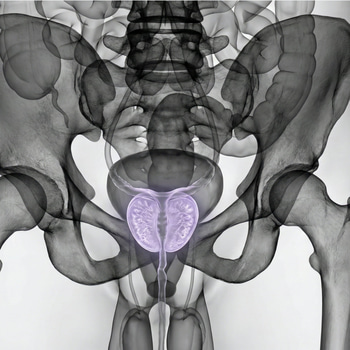
The prostate is a gland that sits below the bladder and around the upper part of the urethra. When the prostate is affected, it can cause symptoms from the urinary tract, but the cause is not always the same. Common explanations are benign prostatic hyperplasia, inflammation or infection of the prostate and sometimes prostate cancer.
Many people only seek medical attention when the symptoms start to interfere with sleep, work or sex life. This is wise, as urinary tract symptoms in men should be assessed medically if they are new, increasing or bothersome. It is recommended that such symptoms be evaluated with, among other things, medical history, examination and, if necessary, PSA testing and prostate palpation.
1. Seven common symptoms of prostate problems
The clearest pattern of prostate problems is so-called lower urinary tract symptoms. This means problems that come from the bladder or urethra, for example when the prostate presses against the urethra or when inflammation irritates the tissue.
The seven symptoms you should be especially aware of are:
- weak urine stream
- difficulty starting to urinate
- a feeling that the bladder is not completely emptied
- interrupted or uneven stream
- frequent urges to urinate
- needing to urinate at night
- sudden, severe urges or difficulty holding in
Several of these symptoms are typical of benign prostatic hyperplasia. Among them are a weak stream, difficulty starting, the need to strain, a feeling of incomplete emptying, an interrupted stream and a more frequent need to urinate as common problems. Also nighttime urination, frequent urges, urgency and urinary retention as central symptoms to react to.
A concrete example is the man who starts planning car trips based on where the nearest toilet is. Another is that you stand at the toilet, but have to wait several seconds before urine comes. Such changes do not necessarily mean cancer, but they are sufficient reason to seek an assessment if they recur.
2. When symptoms are most often due to benign prostatic hyperplasia
The most common cause of prostate problems in older men is benign prostatic hyperplasia, also called benign prostatic hyperplasia or BPH. When the prostate grows and can squeeze the urethra, so that the bladder has to work harder to empty itself. This often causes slowly increasing symptoms rather than a sudden feeling of illness.
Benign prostate enlargement becomes more common with age. About half of men over 60 have prostate enlargement, and even more over 80. Not everyone has problems, but when symptoms affect everyday life, there are both self-care, medications and in some cases procedures that can help.
Common questions in healthcare are whether the problems can go away on their own and whether surgery is necessary. The answer is that many can start with simpler measures, such as reviewing fluid intake in the evening, caffeine, alcohol and medications that can affect the bladder. If that is not enough, there are medications that can relax the muscles around the prostate and bladder neck or reduce the size of the prostate over time.
An important thing to know is that benign prostate enlargement itself does not increase the risk of prostate cancer. However, the symptoms can be similar, which is one reason why new or increasing problems should not be dismissed on their own.
3. When problems with the prostate may be infection or inflammation
Not all prostate problems are due to the gland becoming larger. In acute bacterial prostatitis, a bacterial infection of the prostate, symptoms often come on quickly. You may have a fever, pain in the pelvis or between the scrotum and rectum, burning when urinating and sometimes difficulty urinating at all.
This differs from the slower development of benign prostatic hyperplasia. If you become generally ill in a short time, have a high fever and at the same time increasing urinary symptoms, you need to seek medical attention urgently. Acute bacterial prostatitis as a condition where you can quickly feel sick and have difficulty urinating.
Some have more prolonged problems with pain, discomfort or recurring irritation from the urinary tract without a clear fever. In this case, a medical assessment is needed to distinguish between infection, other inflammation, urinary tract infection, overactive bladder or other conditions that can cause similar symptoms. Several other causes of prostate-like symptoms, including urinary tract infection, urethral stricture and neurological diseases.
4. Could the symptoms be prostate cancer?
It is a common and understandable question. Prostate cancer can cause urinary tract symptoms, but early prostate cancer often does not cause any clear symptoms at all. Once the disease is noticed, it may include changes in urination, and therefore it is not possible to determine the cause based on the symptoms alone.
At the same time, it is important not to interpret every weak urine stream as cancer. Difficulty urinating is much more common in benign prostatic hyperplasia than in prostate cancer, especially in men over 60. The medical work is therefore based on finding those who need further investigation, not guessing.
Men with lower urinary tract symptoms are assessed with a PSA test and prostate palpation when prostate cancer is suspected or when the symptom picture needs to be investigated further. Visible blood in the urine is also an alarm symptom that should be taken seriously, especially if it is unexplained or reoccurs.
For you as a patient, this means something practical: if you notice new prostate symptoms, the focus should not be on making the diagnosis yourself, but on getting a structured assessment. This is how you distinguish common, treatable problems from conditions that need a faster investigation.
5. When you should seek care and how the investigation usually goes
You should book an appointment at a health center if you have problems with your prostate that recur, worsen or interfere with sleep, work or quality of life. The same applies if you feel that your bladder is not emptying, have to run to the toilet often or have more urges than before. If you are completely unable to urinate, have a fever and pelvic pain or see blood in your urine, you need to seek treatment faster.
The investigation often begins with questions about the pattern of symptoms. The doctor wants to know if the problems are mainly about a weak stream and voiding problems, or if they are dominated by frequent urges and nighttime urination. A symptom questionnaire such as IPSS is often used to assess how much the problems affect everyday life and to be able to follow changes over time.
The investigation can then include urine tests, blood tests and sometimes PSA. PSA is a protein that is formed in the prostate and that can rise for several reasons, such as benign enlargement, infection or cancer, so the test must always be interpreted in its context. If necessary, the prostate is also palpated via the rectum, which helps the doctor assess the size, shape and whether anything feels abnormal.
For many, an initial medical examination is enough. You will then find out whether the symptoms are most likely to be benign enlargement, whether there are signs of infection or whether further investigation is needed. If you are also thinking about hormonal health, fatigue or sexual function, it may also be relevant to read more about the Test Clinic's health checks and tests for men, since several physical factors can affect how you feel in everyday life.
The most useful perspective is often not to ask whether the prostate is "dangerous", but whether your symptoms change over time. A new habit of getting up once a night is something other than a rapid deterioration with burning, urges and a feeling of blockage. When you monitor developments early, it becomes easier to get the right help before the problems start to rule your day.