Quick version
Women's health is influenced by hormonal changes, nutritional status, lifestyle, and various medical conditions. In this article, we explore how menopause affects the body, common causes of fatigue, the importance of breast health, and how osteoporosis can be detected using a DXA scan. We also explain how blood tests and health checkups can help women gain a better understanding of their health.
The female body changes throughout life, we go through everything from menstruation to fertility and perhaps pregnancy and then move on to menopause. In the years that follow, the body is affected by both biological and hormonal changes. But several other factors such as lifestyle, heredity and various medical conditions also have an impact on how we feel.
Fatigue, difficulty sleeping, changes in menstruation and reduced energy are examples of problems that many women experience at some point in their lives. Sometimes there is a clear explanation, while in other cases there may be several factors that interact.
Taking care of your health is therefore not only about treating symptoms when they occur, but also about understanding the body's needs, knowing your risk factors and knowing when it may be relevant to have an examination.

Menopause – when hormones change
Menopause is a natural phase of life that usually occurs sometime between the ages of 45 and 55, although the timing varies from person to person. During this period, the ovaries' hormone production changes, which can affect both physical and mental health.
Two of the most important hormones are estrogen and progesterone. When ovulation becomes more irregular, progesterone production decreases, while estrogen levels can fluctuate greatly. Eventually, estrogen levels also drop more permanently.
Because estrogen affects several parts of the body, the changes can be noticed in different ways. Common complaints include hot flashes, night sweats, difficulty sleeping, mood changes, dry mucous membranes and changes in menstruation.
In the long term, lower estrogen levels can also affect the skeleton, body fat distribution and metabolism.
How menopause is experienced is individual. Some women have hardly any problems at all, while others experience symptoms that affect everyday life for several years.
Do you need to test your hormones during menopause?
It is not always necessary to measure hormone levels to assess whether a woman is in menopause. In women over 45, the assessment is usually based on symptoms, age and changes in menstrual patterns.
Since hormone levels can vary greatly during the transition period, a single blood test does not always give an accurate picture. However, hormone tests can in some cases provide valuable information, especially when combined with an individual medical assessment.
For those who want to gain a better understanding of your hormone levels, we offer Climacteric test with medical consultation, where several hormones are analyzed through blood tests. After that, you will meet Elenor Wevle Ängek, leg. doctor with specialist services in gynecology and obstetrics, via a digital video call if you wish to go through your results, symptoms and any signs of premenopause, perimenopause or menopause.
If you experience problems that affect your everyday life, there are also various treatment options and support available.
Fatigue, stress and nutritional deficiencies - when the body can't really handle it
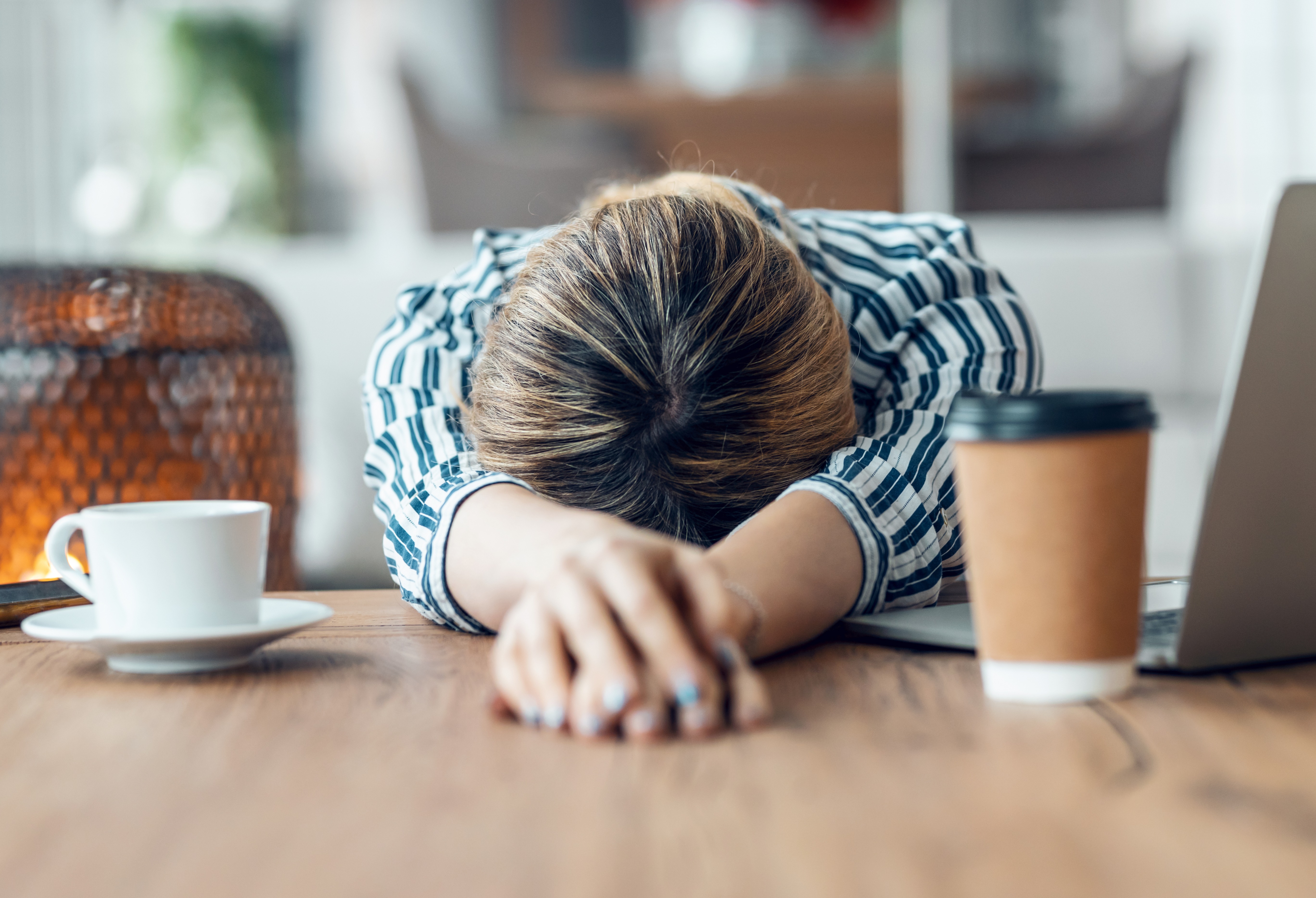
Feeling tired sometimes is natural. But when fatigue becomes long-lasting, or recurs frequently and affects everyday life, there may be reason to investigate why to see what is causing it.
Stress, lack of sleep and hormonal changes are common explanations, but also iron deficiency, vitamin deficiency and thyroid dysfunction can affect energy levels.
Iron deficiency – especially common in women who are menstruating
Iron is needed for our bodies to form hemoglobin, which transports oxygen in the blood. In case of iron deficiency, the body's iron stores can decrease and eventually lead to anemia, also called anemia.
In case of anemia, common symptoms are fatigue, dizziness, headache, palpitations and shortness of breath. Heavy menstruation is a common cause of iron deficiency in women, but pregnancy, insufficient iron intake and bleeding from the gastrointestinal tract can also be behind it.
The thyroid gland – an important part of metabolism
The thyroid gland produces hormones that regulate the body's metabolism. If production is too low, known as hypothyroidism, symptoms may include fatigue, feeling cold, constipation, dry skin and weight gain.
If hormone production is too high, hyperthyroidism, you may instead experience palpitations, sweating, weight loss, anxiety and difficulty sleeping.
Since several of the symptoms are similar to those that can occur during menopause, it is important not to automatically explain all changes with hormonal changes. Blood tests such as TSH and free T4 can help assess thyroid function.
Vitamins and minerals – small substances with important functions
Vitamins and minerals are needed for, among other things, the nervous system, blood formation, muscles and bones. A lack of vitamins such as B12 or folate can, for example, affect blood formation and cause increased fatigue. Vitamin D and calcium are important for the normal function of the skeleton, while magnesium contributes to normal muscle and nerve function.
A varied diet covers most people's needs, but if a deficiency is suspected, specific risk factors or long-term symptoms are present, targeted blood tests may be warranted.

Breast health - get to know your breasts and pay attention to changes
The most common form of cancer in women in Sweden is breast cancer, and approximately one in ten women are affected before the age of 80. The risk increases with age, but the disease can also occur in younger women.
October is International Breast Cancer Month and an important opportunity to draw attention to the importance of breast health and early detection.
Regularly feeling your breasts and getting to know how they usually look and feel can make it easier to detect changes. Read more about how to examine your breasts here. Most changes in the breasts are not due to cancer, but new or persistent changes need to be assessed by healthcare.
Feeling your breasts yourself is a good complement, but does not replace mammography. If you notice a suspicious change, contact your healthcare provider and do not wait for the next screening appointment.
Osteoporosis – about the skeleton and why it becomes weaker after menopause
Our skeleton consists of living tissue that is constantly being built up and broken down. When we grow up and during the early adult years, bone mass is built up, but with increasing age it gradually decreases.
Osteoporosis, or osteoporosis, occurs when the breakdown of bone tissue exceeds the formation of new tissue for a long time. The skeleton then becomes less dense and more fragile, which increases the risk of bone fractures.
We women are at greater risk of developing osteoporosis than men, partly because they have lower bone mass on average and undergo a clear hormonal change during menopause.
Oestrogen has a protective effect on the skeleton by contributing to the balance between breakdown and formation of bone tissue. When estrogen levels drop after menopause, bone loss increases, especially in the first few years.
Other factors that also play a role are old age, heredity, low body weight, physical inactivity. Certain diseases and long-term treatment with cortisone can also increase the risk of osteoporosis.
How is osteoporosis detected with DXA?
Osteoporosis usually does not cause any clear symptoms in the early stages. The condition is often first discovered when a person suffers a bone fracture after a relatively minor fall or minor strain.
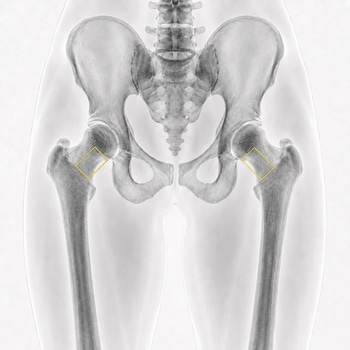
With a bone density measurement, known as DXA (Dual-energy X-ray Absorptiometry), it is possible to measure the bone density of the skeleton and identify signs of osteoporosis. This examination is both quick and painless and uses a very low dose of X-ray radiation, it is usually done over the hip and lower back.
The results of the bone density measurement are weighed together with factors such as age, previous fractures and heredity to assess the risk of future bone fractures and the need for possible treatment, especially if there is an increased risk of osteoporosis.
What can you do yourself to strengthen your bones?
To strengthen your bones, it is important to be physically active regularly, especially strength training and weight-bearing exercise. This helps to maintain muscle strength and bone function. Furthermore, a sufficient intake of calcium and vitamin D is also important.
It is also important to avoid smoking, limit alcohol intake and prevent falls for good bone health.
Cardiovascular health – an important part of women's health
Our cardiovascular health also deserves attention, not least after we have gone through menopause. When estrogen levels decrease, the body's fat distribution changes, which means that more fat can accumulate around the abdomen. At the same time, the risk of, among other things, high blood pressure, elevated blood lipids and type 2 diabetes also increases with age. These are factors that can together affect the risk of cardiovascular disease.
Since high blood pressure and elevated blood lipids often do not cause any clear symptoms, it may be relevant to check your blood pressure, blood lipids and blood sugar depending on your age, heredity and other risk factors.
To reduce the risk of cardiovascular disease, it is important to have regular exercise, good eating habits, sufficient sleep and not smoking.
When can blood tests be valuable?
It is not always easy to know why your body feels different. Fatigue, changes in weight, sleep problems and reduced energy can have several different explanations.
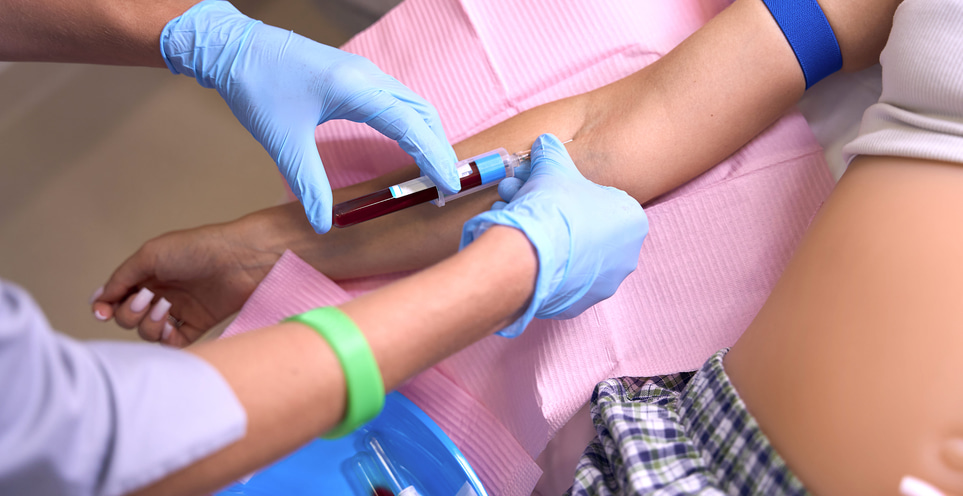
Blood tests can provide important information about the body's functions and help detect abnormalities that need to be followed up or others that can be improved. For example, this may involve iron status, thyroid hormones, blood sugar, blood fats or certain vitamins and minerals.

Many factors affect how we feel, and it is not always possible to determine the cause based on symptoms alone. Blood tests can in some cases provide valuable information about, for example, iron status, thyroid function and nutritional deficiencies. It can be a good basis for understanding your health and assessing whether anything needs to be followed up.
At the same time, it is important to remember that blood tests do not provide answers to everything. You always need to interpret the results based on individual conditions, symptoms and medical history. Nor do normal test results rule out all diseases or causes of problems.
Take care of your health throughout your life
To summarize, women's health is about more than individual hormones, test results or periods in life. It is about seeing the whole picture and understanding how different parts of health are interconnected.
By paying attention to changes that occur both mentally and physically, participating in recommended screening programs, having good lifestyle habits and seeking care when something does not feel right, you can create better conditions for your health.
A health check or targeted blood tests can be a way to gain more knowledge about certain parts of the body's functions. Which examinations are relevant depends on your symptoms, your age, and your individual risk factors.