
Quick version
What are aphthous ulcers?
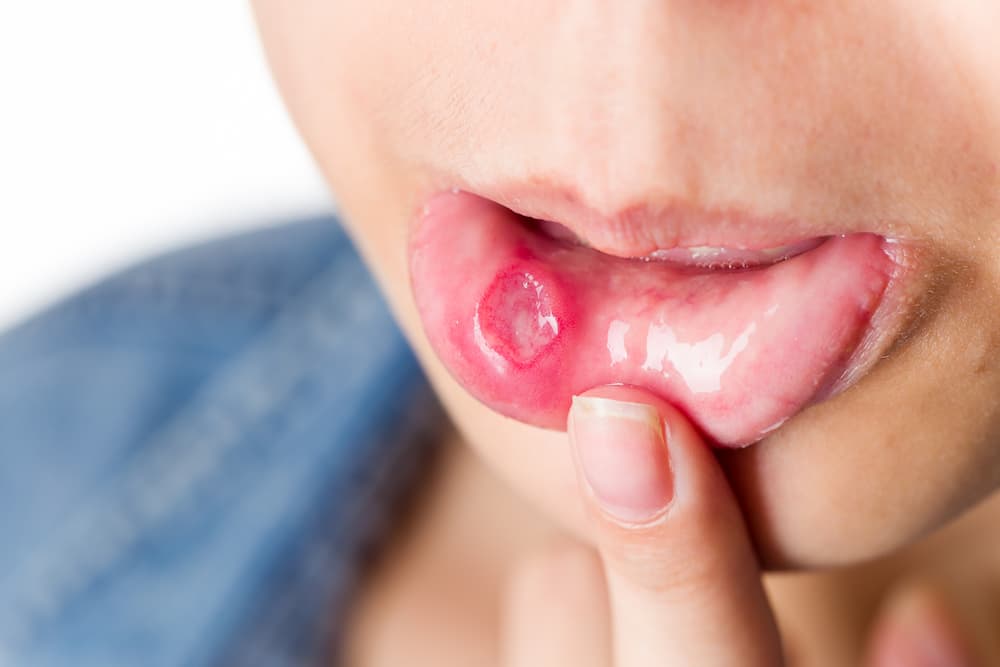
Aphthous ulcers, also called aphthous sores, are small lesions in the oral mucosa. They often feel like tender blisters that quickly develop into round or oval ulcers with a pale center and a red border. It is important to know that aphthous ulcers are not contagious and are not related to herpes, even though both can cause sores in the mouth area.
Why do you get aphthous ulcers?
There is no single cause of why aphthous ulcers occur. Instead, it is usually a combination of factors that make the mucosa more sensitive. Stress and psychological strain are common triggers. When the body is stressed, the immune system is affected, which can make minor injuries in the mouth more likely to develop into sores. Local irritation also plays a major role, for example if you accidentally bite your cheek, brush your teeth too hard, or eat food that irritates the mucosa.
Diet can also have an impact. Sour, spicy, or coarse foods can worsen sensitivity in the mouth. In addition, hormonal changes can cause some individuals to experience recurring symptoms during certain periods.
Nutrient deficiency and aphthous ulcers
Recurring aphthous ulcers can sometimes be linked to deficiencies in important nutrients. This mainly includes iron, vitamin B12 and folate (folic acid), all of which are needed for the body’s cells to function normally and for mucous membranes to heal. If the body lacks these nutrients, the oral mucosa can become more fragile and more prone to sores. In cases of repeated symptoms, it may therefore be valuable to check your levels through a blood test that includes these markers.
Symptoms of aphthous ulcers
The most common symptom is a clear burning sensation or pain in the mouth. Many people find that it hurts more when eating, especially hot, spicy, or sour foods. The sores are usually small but can sometimes become larger and more troublesome. If multiple sores appear at the same time, it can be difficult to both eat and speak normally, which may affect daily life for a period.
When should you seek care?
Aphthous ulcers are generally harmless, but in some situations it is wise to contact healthcare. This is especially true if the sores do not heal within two to three weeks, if they are unusually large or very painful, or if the symptoms recur frequently without a clear cause. You should also seek care if you develop a fever or feel generally unwell, as this may indicate another condition.
Treatment and self-care
There is no treatment that removes aphthous ulcers immediately, but you can do a lot to relieve the discomfort. Pain-relieving gels or mouth rinses can reduce the symptoms, and it is advisable to avoid foods that further irritate the sores. A soft toothbrush and gentle oral hygiene reduce the risk of worsening the lesions. Keeping the mouth clean also supports healing.
Preventive measures
To reduce the risk of getting aphthous ulcers again, it is important to take care of both general health and oral health. Managing stress, getting enough recovery, and eating a nutrient-rich diet can make a big difference. It is also important to avoid injuring the oral mucosa and to be aware of possible nutrient deficiencies.
Related conditions
Aphthous ulcers can sometimes be associated with other conditions, especially in recurrent cases. This includes vitamin and mineral deficiencies, but also certain gastrointestinal diseases. Herpes can also cause sores in the mouth area, but differs in both cause and appearance.