
Quick version
Pulmonary fibrosis means that stiff scar tissue forms in the lungs, making it harder to oxygenate the blood. The disease often comes on insidiously with symptoms such as increasing shortness of breath on exertion, prolonged dry cough and fatigue. The causes can be environmental factors, autoimmune diseases or certain medications, but sometimes there is no known cause (idiopathic pulmonary fibrosis, IPF). The diagnosis is made by listening to murmurs, computed tomography (CT), lung function measurements and blood tests. The scar tissue cannot be cured, but treatment with brake medications, pulmonary rehabilitation and oxygen can relieve the symptoms and slow down the progression. Seek medical attention early if you notice prolonged shortness of breath.
Long-term shortness of breath is often explained away by age, poor fitness or a persistent respiratory infection. But when stairs that were previously easy to climb suddenly require breaks, or when a dry cough doesn't quite let up, the cause may lie deeper in the lung tissue. In that case, a possible explanation is pulmonary fibrosis.
Pulmonary fibrosis – when scarring makes it difficult to breathe
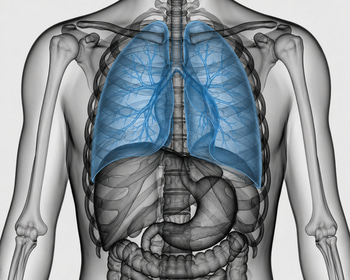
Pulmonary fibrosis means that scar tissue has formed in the lungs. When the lung tissue becomes thicker and stiffer, it becomes more difficult for the lungs to expand and oxygenate the blood effectively. This often leads to shortness of breath, less energy and a feeling that the body is not really keeping up with everyday life.
Pulmonary fibrosis is not a single disease but a collective name for several conditions where scarring occurs in the finest tissue of the lungs, the one that surrounds the alveoli. Some forms have a clear cause, such as inhalation of harmful substances, autoimmune diseases or certain medications. In other cases, no clear explanation is found, and then the diagnosis is idiopathic pulmonary fibrosis, often abbreviated IPF.
From fatigue to dry cough - the body's silent warning signals
The most common symptom of pulmonary fibrosis is gradually increasing shortness of breath on exertion, often in combination with a long-term dry cough. Other signs may include fatigue, decreased energy, unintentional weight loss, and muscle or joint pain.

The tricky thing about pulmonary fibrosis is that the symptoms come on insidiously. At first, the patient may only notice that they need to stop and catch their breath on uphill slopes or can't quite keep up the same pace on the walk as before. It's easy to dismiss it as age or poor fitness, and the disease can sometimes be confused with COPD, asthma, or the consequences of an infection. In some people, we also see that the fingertips become wider and rounded, so-called drumstick fingers, which is a classic sign of long-term lung disease. But the most important thing to know is that if breathing suddenly becomes noticeably heavier over just a few days, you should not wait, but seek medical attention immediately.
When the lung is replaced by scarring - the reasons behind the tightness
Pulmonary fibrosis occurs when lung tissue is damaged and heals with scarring. Scar tissue is stiff and functions less well than healthy lung tissue, much like when a soft sponge is partially replaced by harder material. The result is that gas exchange between air and blood is impaired.
The causes vary. Pulmonary fibrosis can be linked to long-term exposure to dust, chemicals or other particles in the environment or work life. It can also occur in connective tissue diseases and other autoimmune diseases, where the immune system attacks the body's own tissues. In addition, drug-induced lung damage is a possible explanation in some cases.
When no definite cause can be identified, it is called idiopathic pulmonary fibrosis. This form is seen primarily in middle-aged and older adults, and the risk increases with age. Smoking and heredity are known risk factors, which means that the disease is more common in certain groups, but not everyone with risk factors develops it.
For many patients, it is a concrete question: "Have I done something wrong?" The answer is usually no. In some cases, there is a clear external factor, but it is often an interaction between age, vulnerability of the lung tissue, genetic factors and the environment rather than an individual mistake. This is a medical interpretation based on how the risk factors are described in guidelines and patient information.
How is pulmonary fibrosis detected?
The investigation begins with both a medical history and a physical examination. The doctor may ask about cough, shortness of breath, smoking, work, previous illnesses and medications. The lungs are also listened to, where fine crackling sounds can often be heard at the bottom of the lung fields.
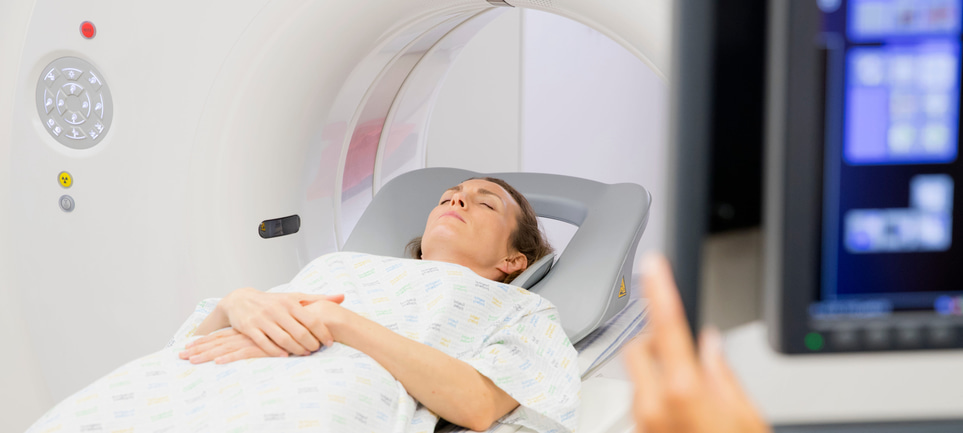
Several examinations are usually needed to make a diagnosis. Computed tomography of the lungs, especially high-resolution CT, is essential because it can show patterns of scarring that indicate pulmonary fibrosis. Lung function tests are used to assess how much lung capacity and oxygen uptake have been affected.
Blood tests are often taken to investigate whether the symptoms are due to something else, such as an autoimmune disease or inflammation in the body. Sometimes more detailed examinations are also done, such as looking down into the bronchi or taking a small sample of lung tissue, but this is far from always necessary. If it is difficult to make a definite diagnosis, an expert team consisting of various specialists can help weigh together symptoms, test results and X-rays to find the right answer.
This is important because the correct diagnosis determines the right treatment. A person with shortness of breath and a dry cough can have several different diseases with similar symptoms, but the treatment differs greatly between, for example, asthma, heart failure and idiopathic pulmonary fibrosis. Therefore, early investigation is more valuable than waiting and seeing if it goes away.
Slowing down the progression - medications, exercise and a new quality of life
Treatment depends on the type of pulmonary fibrosis and how quickly the disease progresses. Scar tissue that has already formed cannot be repaired, but treatment can relieve symptoms, slow down deterioration and improve quality of life. The goal is therefore not always to cure, but to preserve function for as long as possible.
In idiopathic pulmonary fibrosis, so-called antifibrotic drugs are currently used for some patients. These drugs, such as pirfenidone and nintedanib, are not curative but can slow the progression of the disease. Antifibrotic treatment is used in IPF, and nintedanib is also used in certain other progressive fibrotic lung diseases.
If the pulmonary fibrosis is instead linked to another disease, such as an autoimmune connective tissue disease, the treatment can target the root cause. In this case, other drugs may be appropriate than in idiopathic pulmonary fibrosis. This is one of the reasons why the diagnosis must be as accurate as possible from the start.
Many people also need treatment that is not primarily aimed at the scarring itself but that makes a big difference in everyday life. This may involve oxygen therapy, physical exercise in pulmonary rehabilitation, nutritional support and help to conserve energy in daily activities. For those who still smoke, smoking cessation is an important part of the treatment.
Pulmonary rehabilitation is sometimes misunderstood as “regular exercise”, but it is more than that. The programs usually combine cardio and strength training, breathing techniques, information about the disease and support for managing symptoms. For a person who avoids walking for fear of shortness of breath, the right rehabilitation can make everyday life less limited.
In more advanced disease, lung transplantation may be an option for some patients. It is a major treatment with clear risks and is not suitable for everyone, but for the right patient it can provide both longer survival and better quality of life. The assessment is always made individually by a team of specialists.
Don't wait for shortness of breath to pass - this is how you take the first step
You should seek medical attention if you have new or increasing shortness of breath, a long-lasting dry cough or noticeably lower energy without a clear explanation. This is especially true if the symptoms have crept up over months, if you are over middle-aged, smoke or have worked in environments with dust or chemicals. If you suddenly have difficulty breathing, you should seek emergency care.
Blood tests alone cannot diagnose pulmonary fibrosis, but they can be an important support in the investigation. They are used, among other things, to rule out other causes, assess inflammation, look for signs of autoimmune disease and create a comprehensive picture of the health situation before further investigation. For many, taking a sample is therefore a first concrete step when the body does not feel as usual.
For example, if you are both short of breath and unusually tired, there may be several simultaneous explanations, such as anemia, inflammation, metabolic disorder or lung disease. A test does not replace a doctor's assessment or chest X-ray, but it can reduce uncertainty and make it easier to proceed with the right healthcare contact. Here it may also be natural to read more about fatigue or inflammation in the body if the symptom picture is broader than just breathing.
Pulmonary fibrosis is a disease that often develops silently before it is clearly noticeable. That is why small changes in everyday life can be worth taking seriously: walking slower, avoiding stairs or starting to plan the day after breathing rather than the other way around. Such signals are not always dramatic, but they may be sufficient to justify an investigation.