Quick version
It may have come on by accident, but it now happens often in everyday life: you get up from your chair after a long meeting or get out of the car after a car trip and feel that your knee is stiff the first few steps. Stiffness in the knee after sitting still is common, especially with increasing age, after a previous knee injury or when overloaded. For some, it goes away in a few seconds. For others, it is a recurring sign that the joint is not feeling quite right.
What happens in the knee when you sit still?
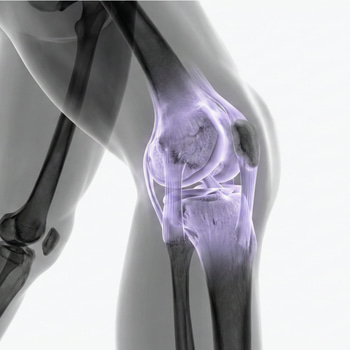
The knee joint is built to be in motion. The cartilage, which acts as a smooth shock-absorbing layer between the bone surfaces, does not have its own blood supply but gets its nourishment from the synovial fluid when the joint is loaded and unloaded. When you sit still for a long time, the synovial fluid circulates less, the muscles around the knee work less and the joint often feels sluggish when you start moving again. This is often described as initial stiffness and is a well-known symptom of arthritis.
For many, the stiffness is most noticeable the first few steps they take. This occurs because the movement does not literally “lubricate” the joint, but it helps the synovial fluid to be distributed over the cartilage surfaces and activates the muscles around the knee. Therefore, the stiffness often eases after you have walked for a short while. With osteoarthritis, such stiffness after rest or in the morning is usually relatively short-lived, while more prolonged morning stiffness may indicate another joint disease, such as inflammatory arthritis.
Stiffness in the knee after rest – here are common causes
The most common medical cause in adults is knee osteoarthritis, meaning that the cartilage gradually changes and that the joint can simultaneously react with mild inflammation, increased sensitivity and sometimes swelling. Typical symptoms are pain, stiffness after rest, reduced mobility and sometimes a cracking sensation when bending or straightening the knee. The risk increases with age, obesity, previous meniscus- or cruciate ligament damage, repeated strain at work or in sports, and misalignment of the joint.
But osteoarthritis is not the only explanation. Stiffness can also be due to the knee being irritated after the above strain, the joint capsule becoming less mobile, fluid in the joint, or the muscles around the knee being weak and reacting slowly when you stand up. In younger people, pain at the front of the knee is common, often from the area between the kneecap and the thighbone, so-called patellofemoral pain syndrome. In this case, the discomfort often occurs when climbing stairs, running, or sitting with the knee bent for a long time.
Sometimes there is an inflammatory joint disease behind the stiffness. In this case, the pattern is often different: more pronounced morning stiffness, swelling, increased heat, and discomfort in several joints at the same time. If the stiffness persists for a long time after you get started, it should raise suspicions of something more than ordinary strain-related knee pain.
When is stiffness normal – and when should you react?
Short-term stiffness after sitting for a long time does not necessarily mean that there is an underlying disease. If the knee softens quickly, does not swell and does not limit your everyday life, it is often a matter of transient mechanical inertia in the joint and muscles. This is common after a sedentary workday, a flight or if you have recently been less active than usual.
However, you should react if the stiffness occurs more often, lasts longer or is combined with other symptoms. Seek medical attention if you recognize several of the following signs:
- recurrent swelling in the knee
- pain that interferes with sleep or everyday movements
- locking, hooking or the knee giving way
- clear increase in heat or redness
- morning stiffness or rest stiffness that lasts a long time
- fever or general malaise at the same time as knee problems
Such symptoms may indicate osteoarthritis with inflammation, but also meniscus damage, crystal arthritis, infection or inflammatory joint disease. In the case of a rapidly onset swollen, warm and very painful knee, you should seek medical attention urgently.
That's why the knee often feels better when you start moving
Many patients wonder why the knee feels worst when they stand up, but better after a few minutes. The explanation is that movement improves the interaction between joints, muscles and the nervous system. The muscles around the knee begin to stabilize the joint more effectively, the synovial fluid is distributed better and tissues that have been immobile become more flexible.
This is also why physical activity is a central part of treatment for knee osteoarthritis. Modern guidance recommends rehabilitative exercise, preferably structured, as it can reduce pain and improve function. The exercise does not have to be hard to help. Walking, cycling, strength exercises for the thigh and gluteal muscles and adapted physiotherapy are often good first steps.
A common misunderstanding is that you should rest the stiffness completely. In acute injuries, relief is sometimes needed, but in the case of long-term knee stiffness, too much sitting is often part of the problem. The joint usually feels better with regular, properly dosed load than with total rest.
What can you do yourself if your knee becomes stiff after sitting still?
Start by looking at the pattern. Is the stiffness worst after workdays with a lot of sitting? Does it come after driving, meetings or watching TV in the evening? Then small changes can make a big difference. Get up every half hour, stretch your knee a few times and take short walking breaks instead of letting the joint remain bent for a long time.
If you suspect incipient osteoarthritis or overuse, a combination of movement, muscle training and weight control if you are overweight often helps. Every kilogram of body weight increases the load on the knee joint, especially on stairs and when standing up. Adapted training can also improve joint function and reduce the feeling of stiffness, even if the X-ray shows age-related changes.
Self-care that may be reasonable for mild complaints is:
- short movement breaks during the day
- low-intensity cardio training such as walking or cycling
- strength training for the thighs, hips and buttocks
- heat or cold depending on what relieves the most
- temporary pain relief according to medical advice
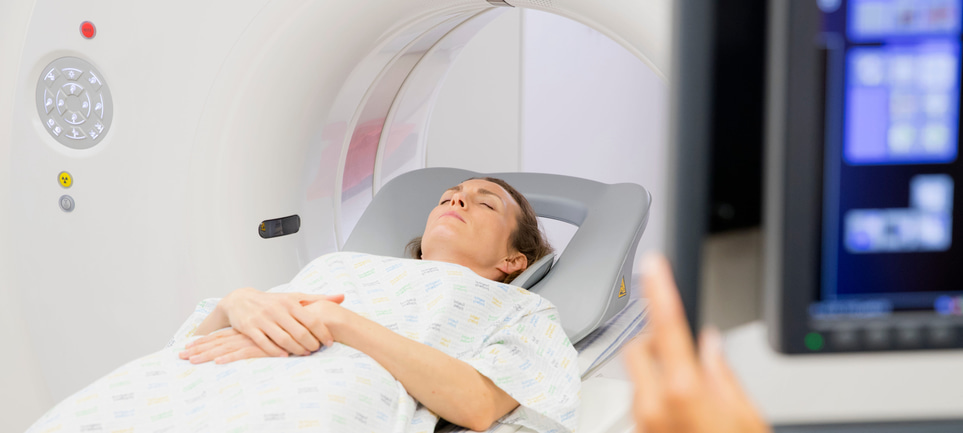
If the complaints persist despite this, a physiotherapist can help you find the right level and type of exercises. In some cases, a medical assessment is also needed with an examination and sometimes imaging diagnostics, such as MRI of the knee or MRI of the knee joint, to assess structures such as menisci, ligaments, cartilage and other soft tissues in the joint.